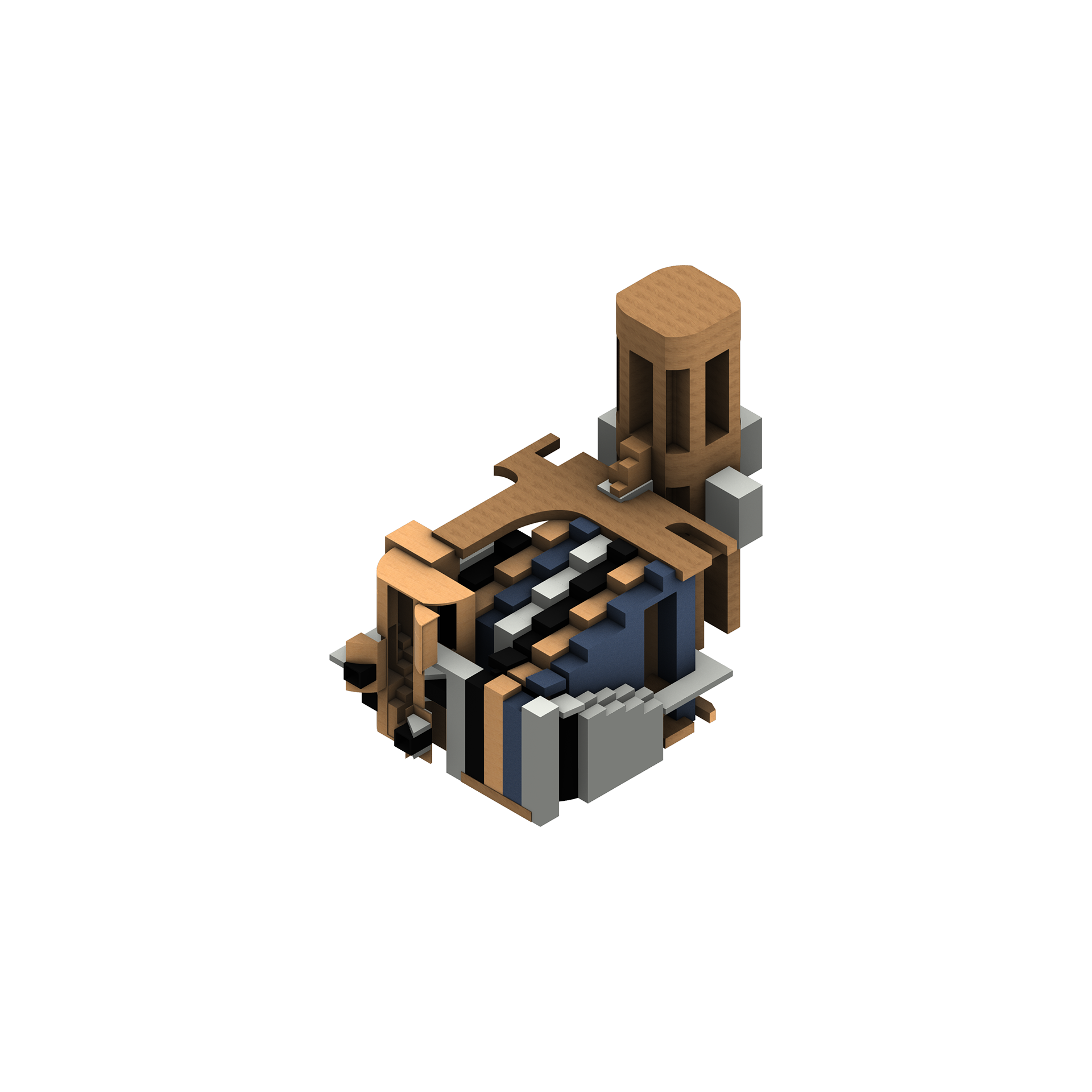
M.ARCH SEMESTER II
Professor: Ivan Bernal
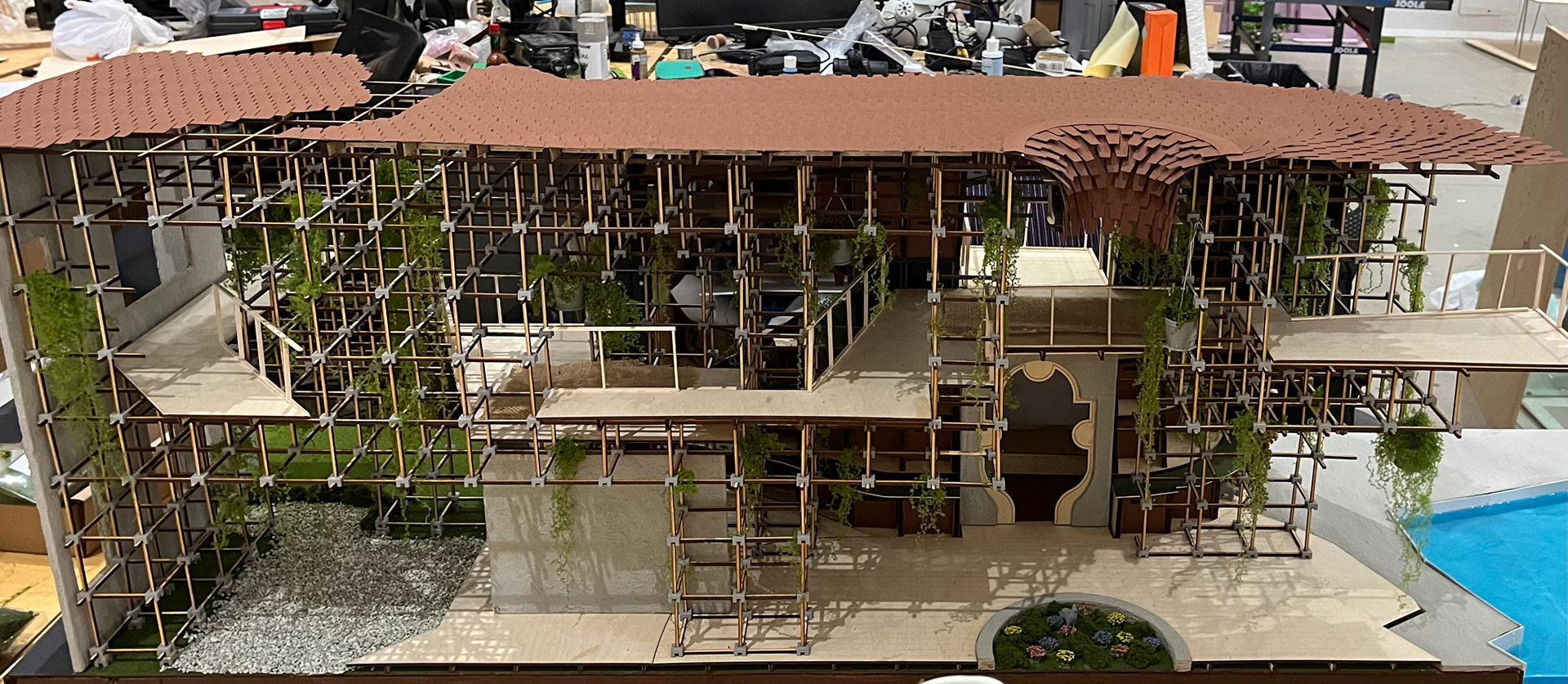
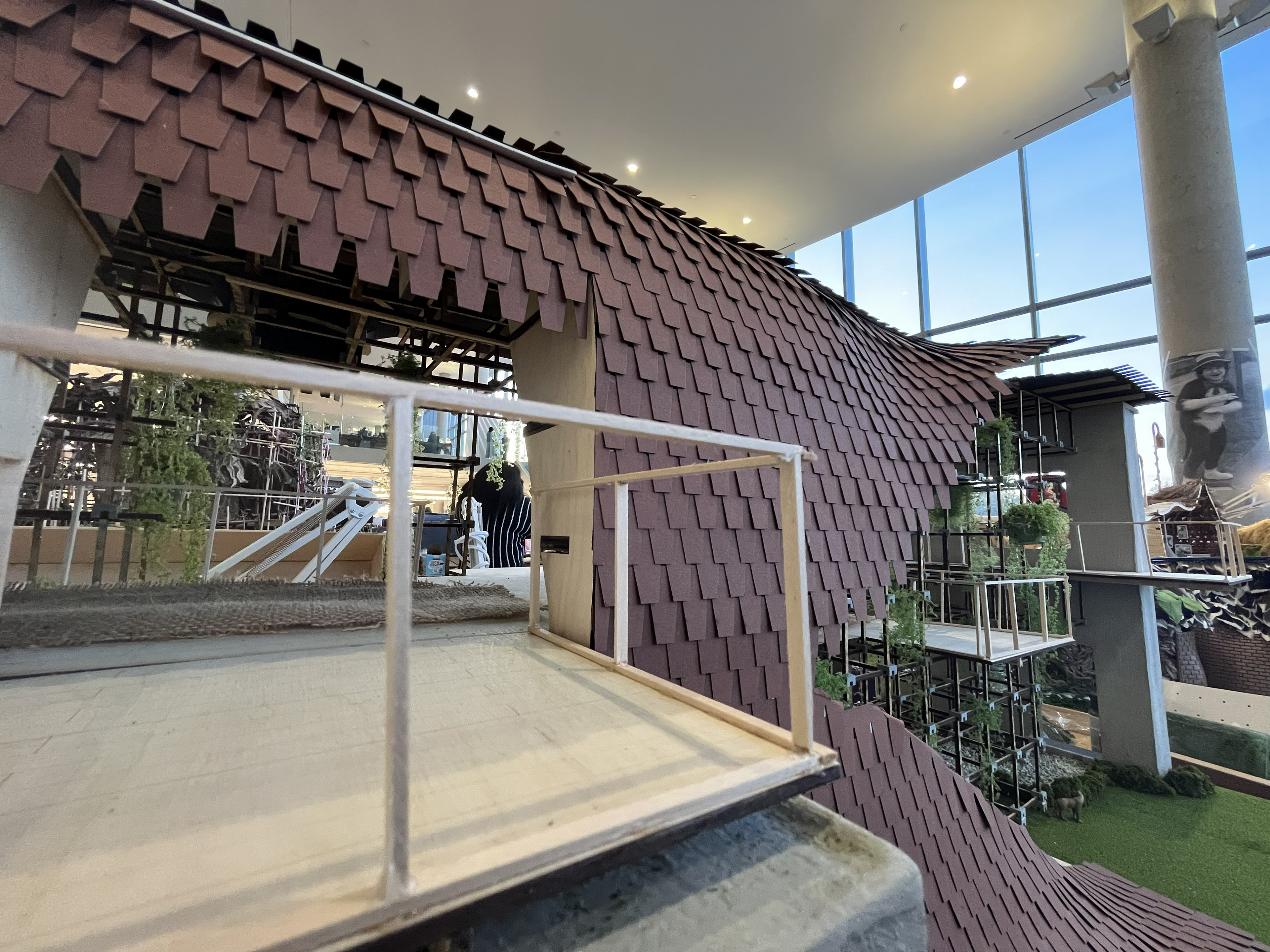
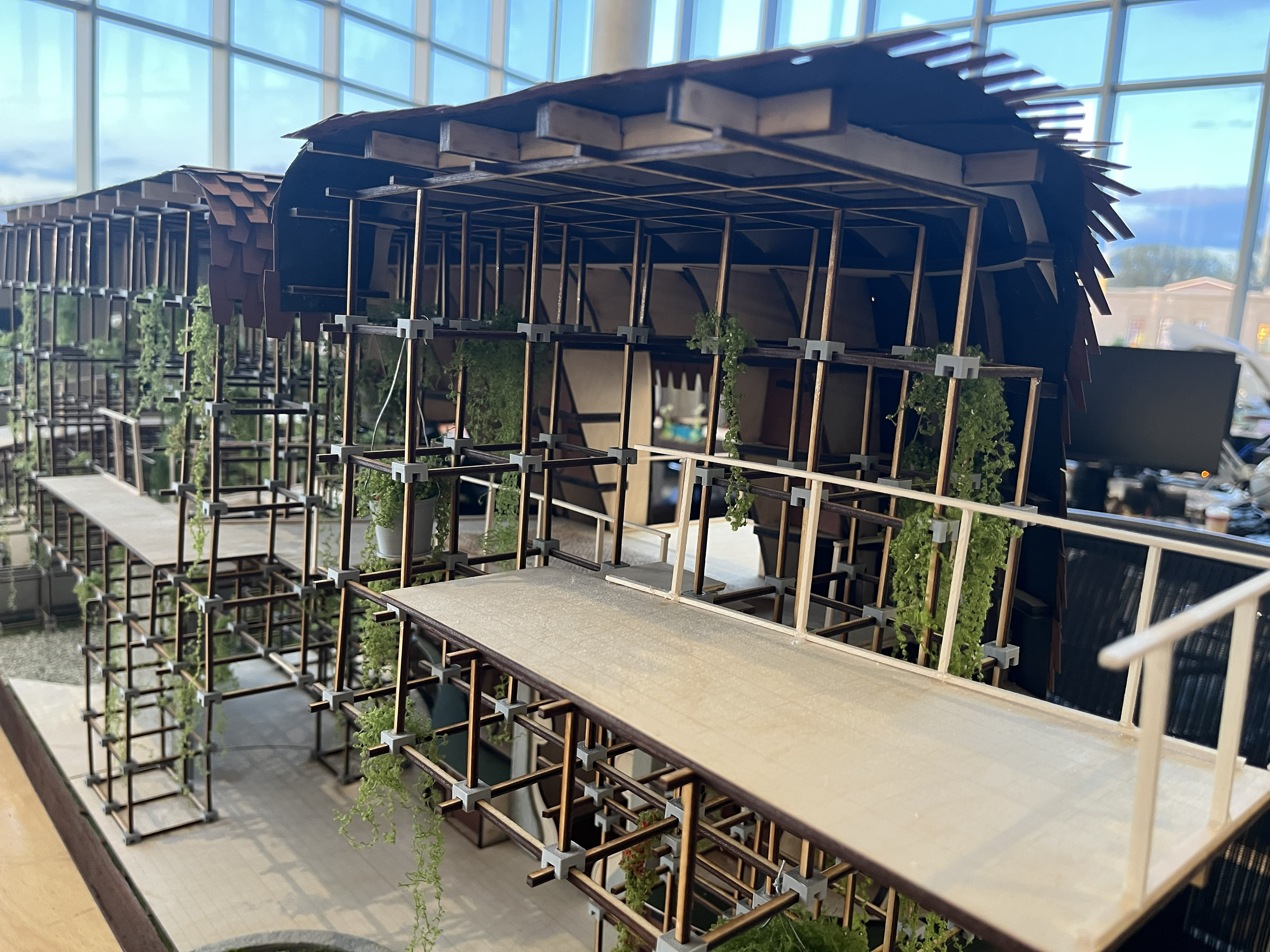
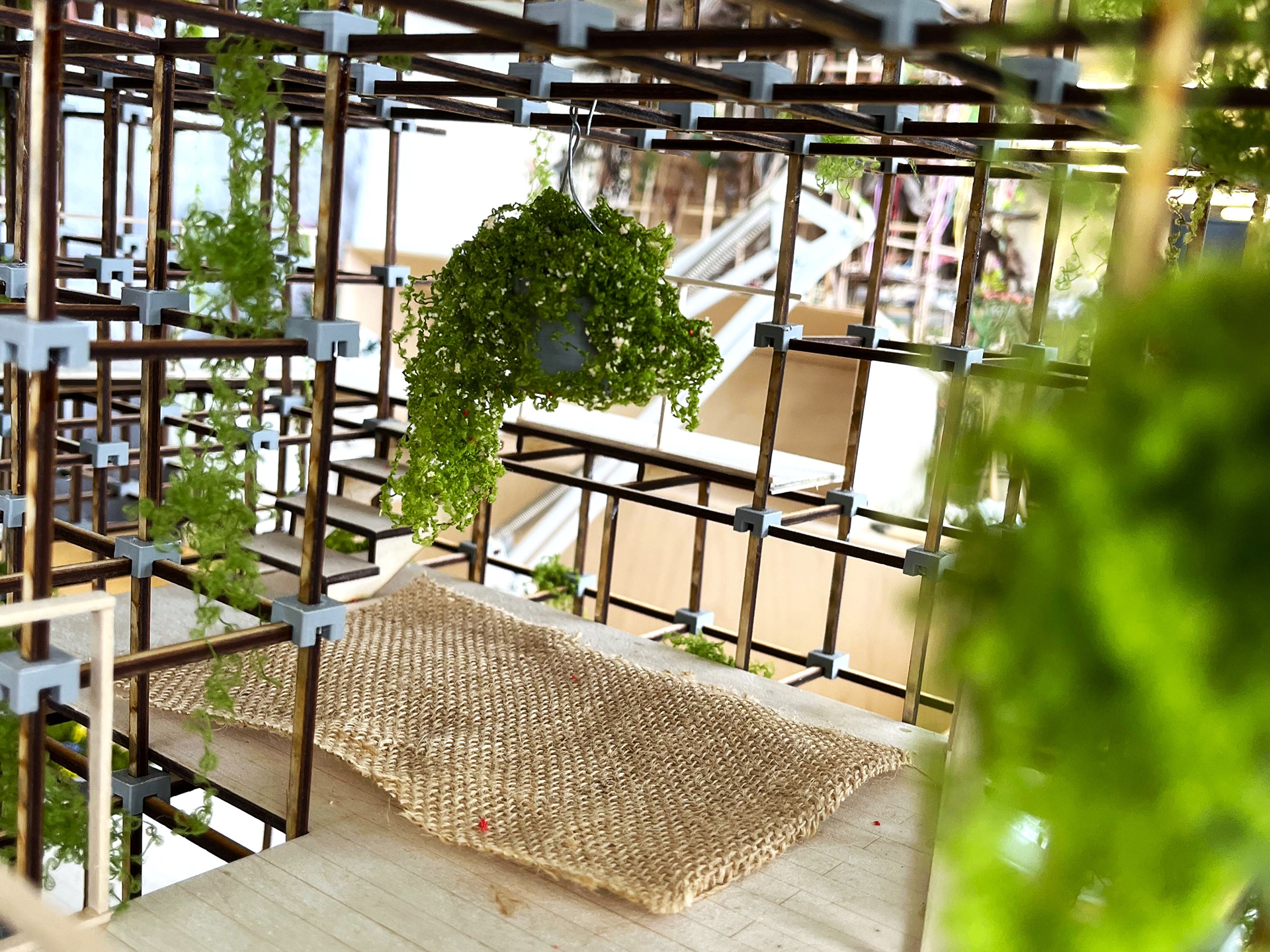
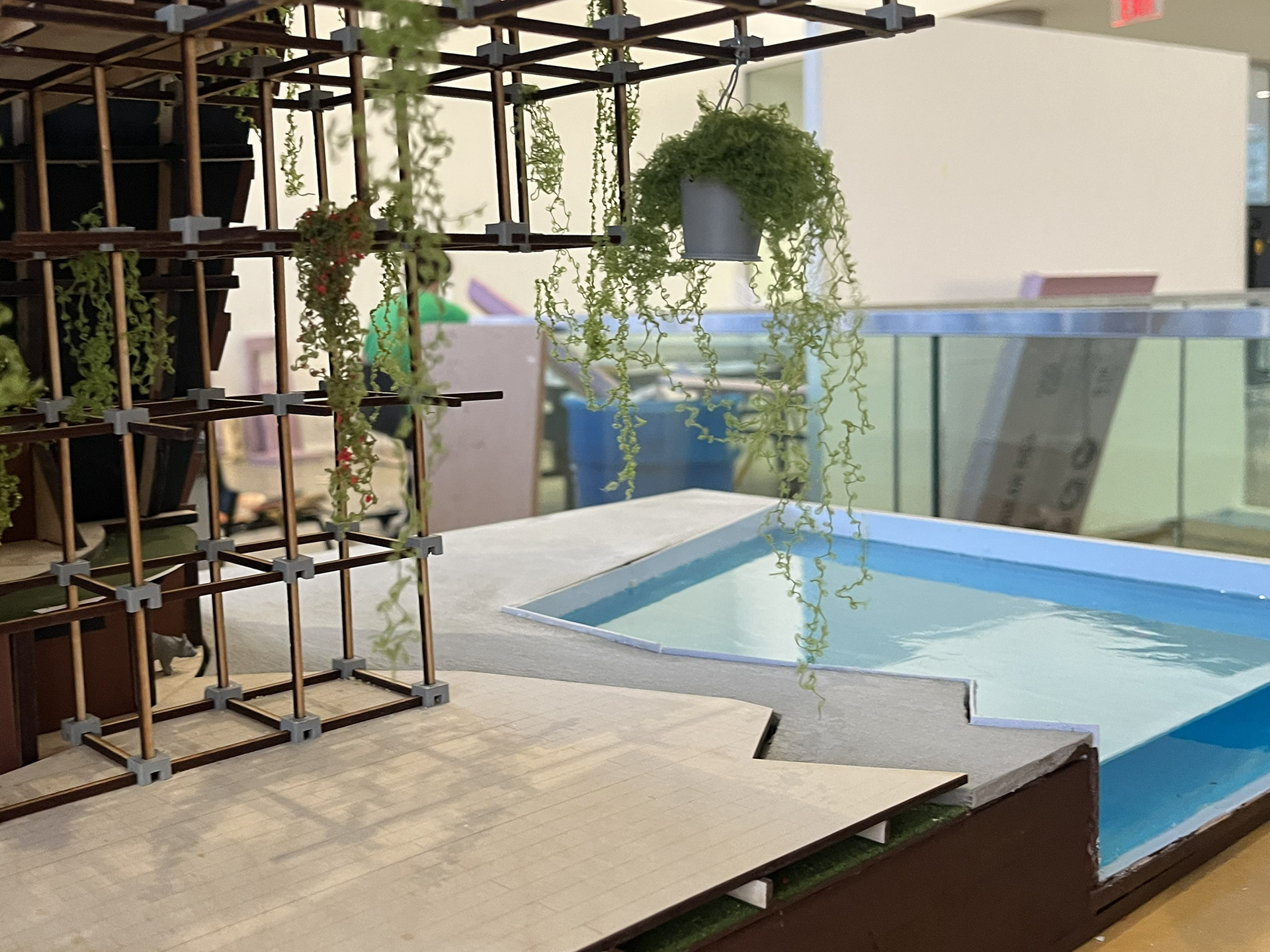
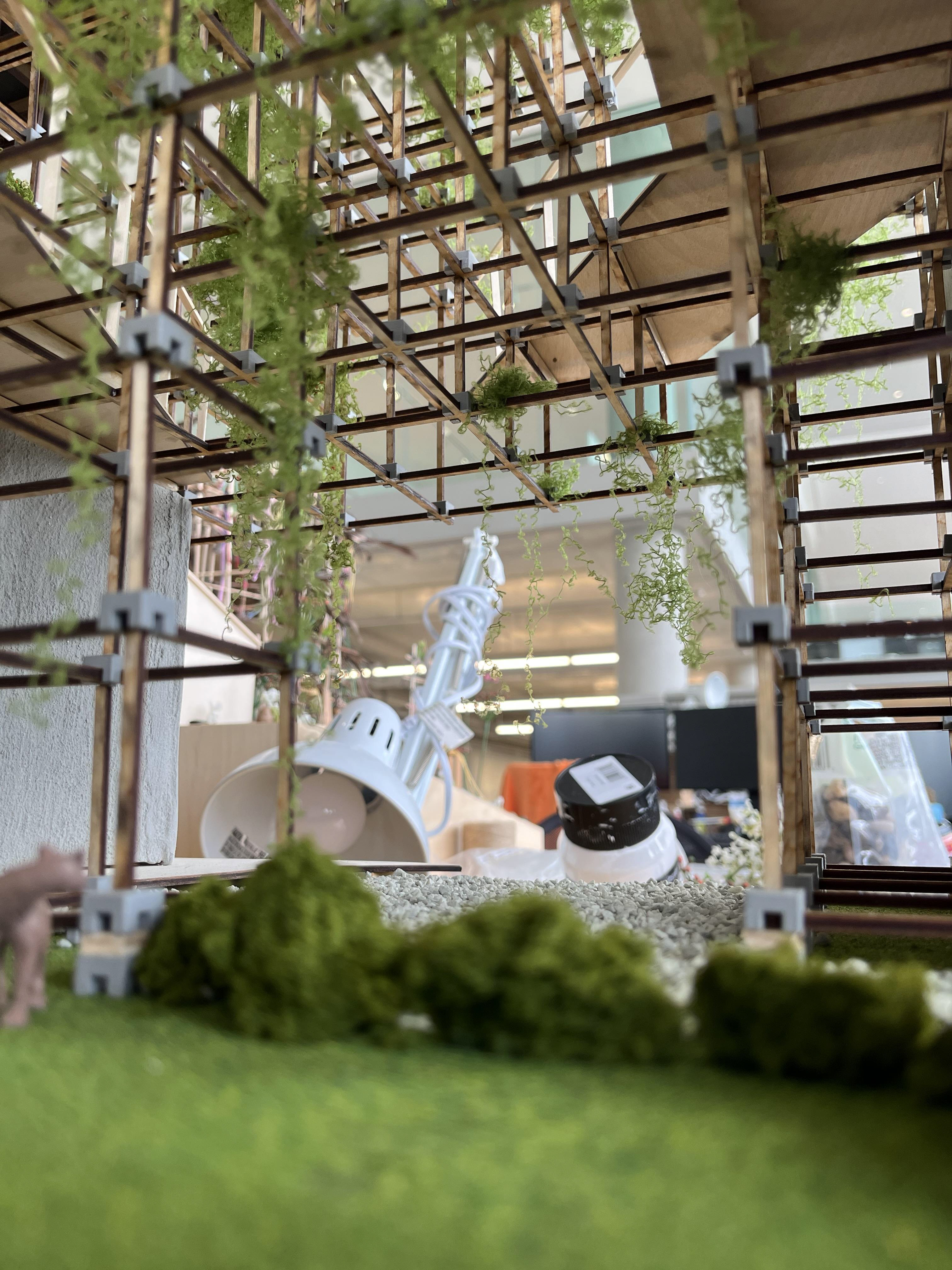
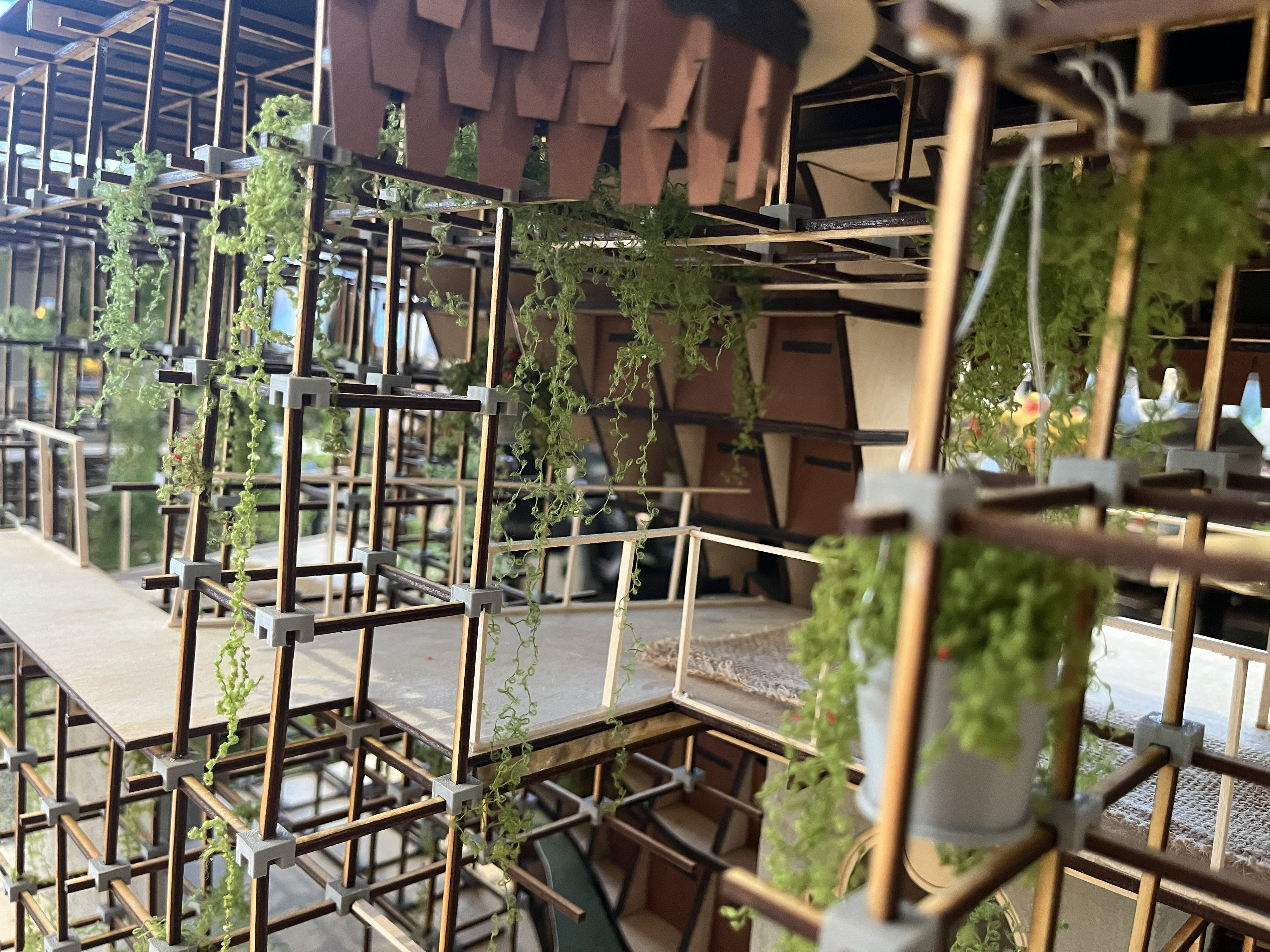
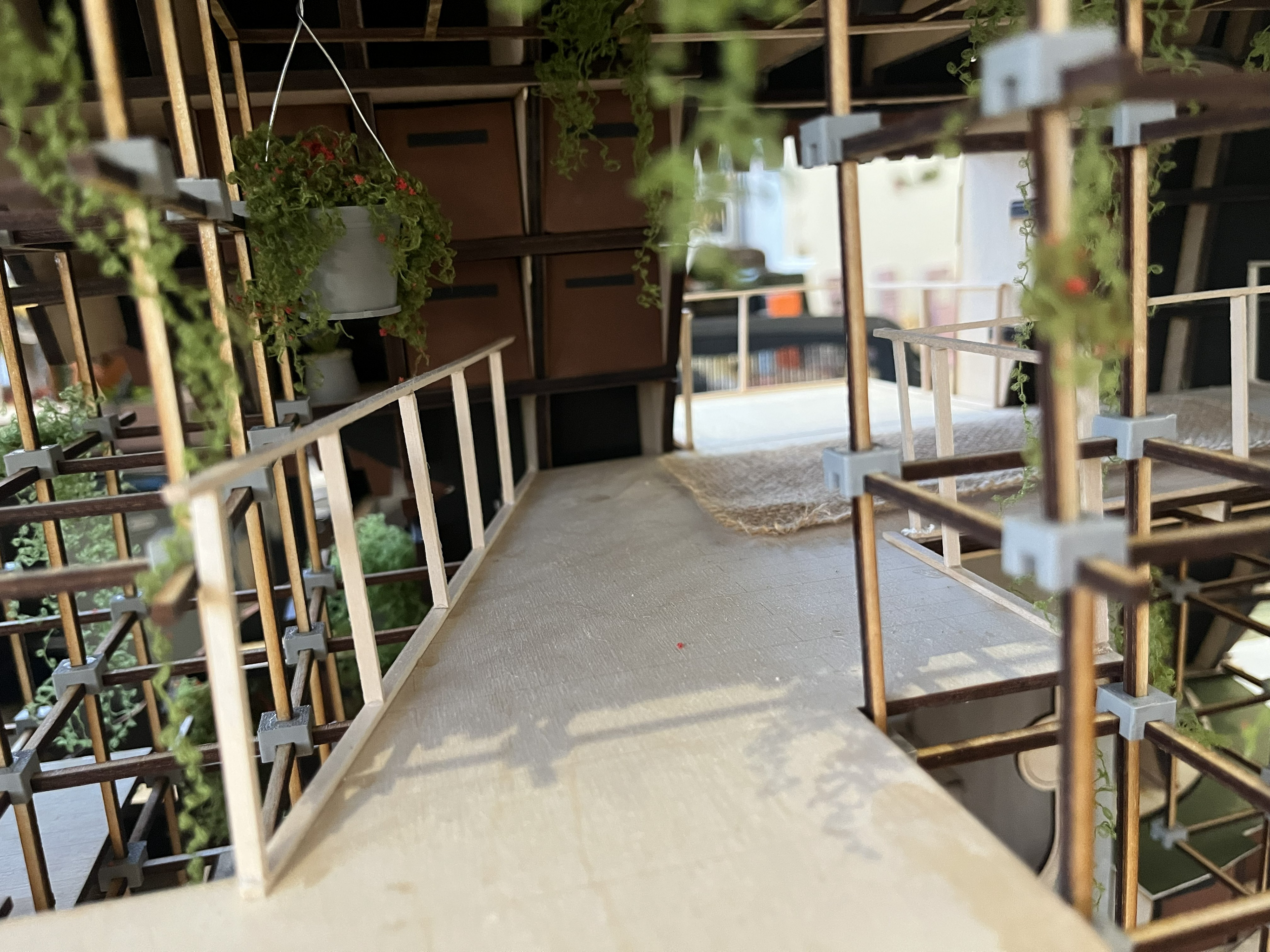
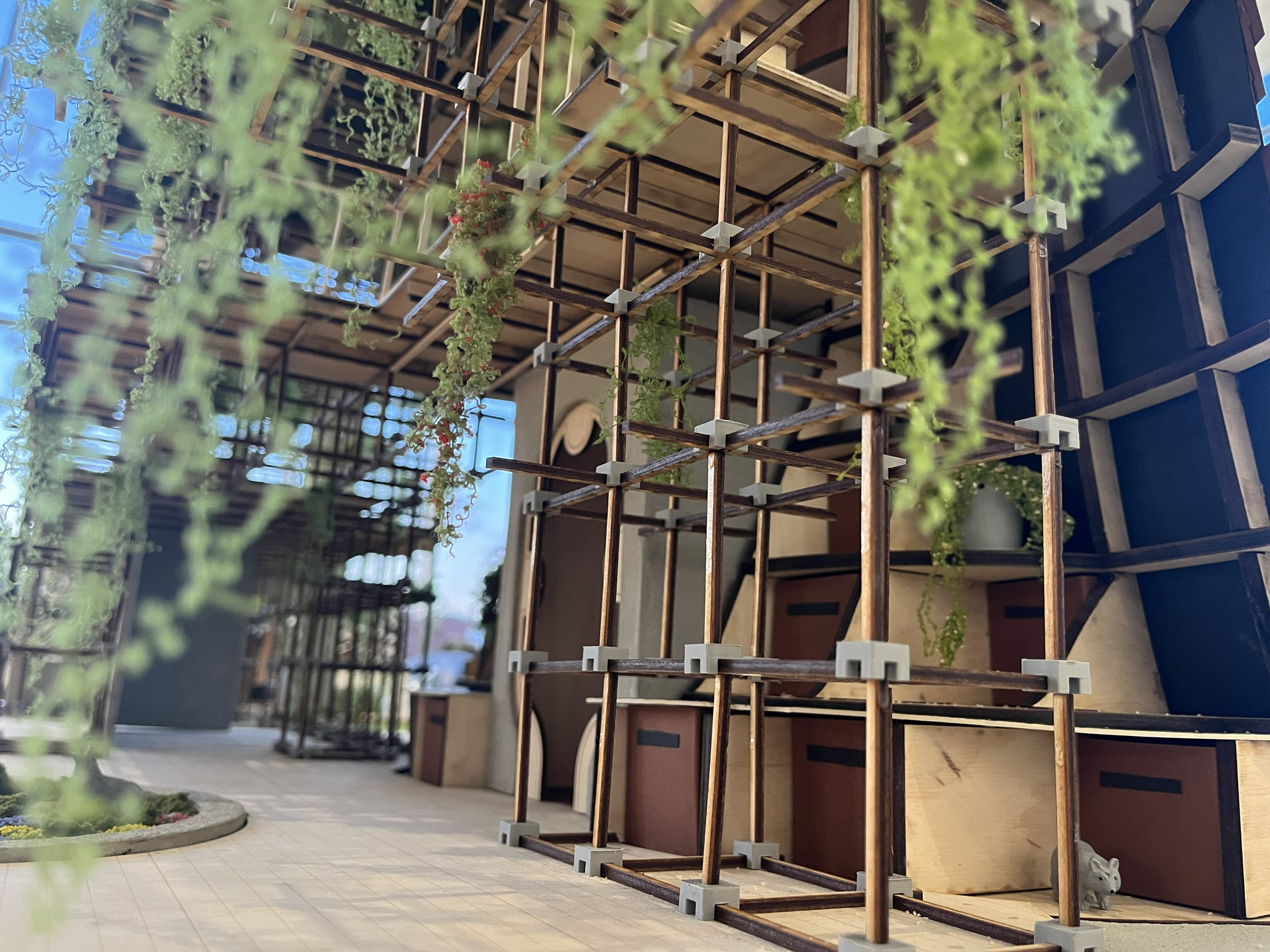
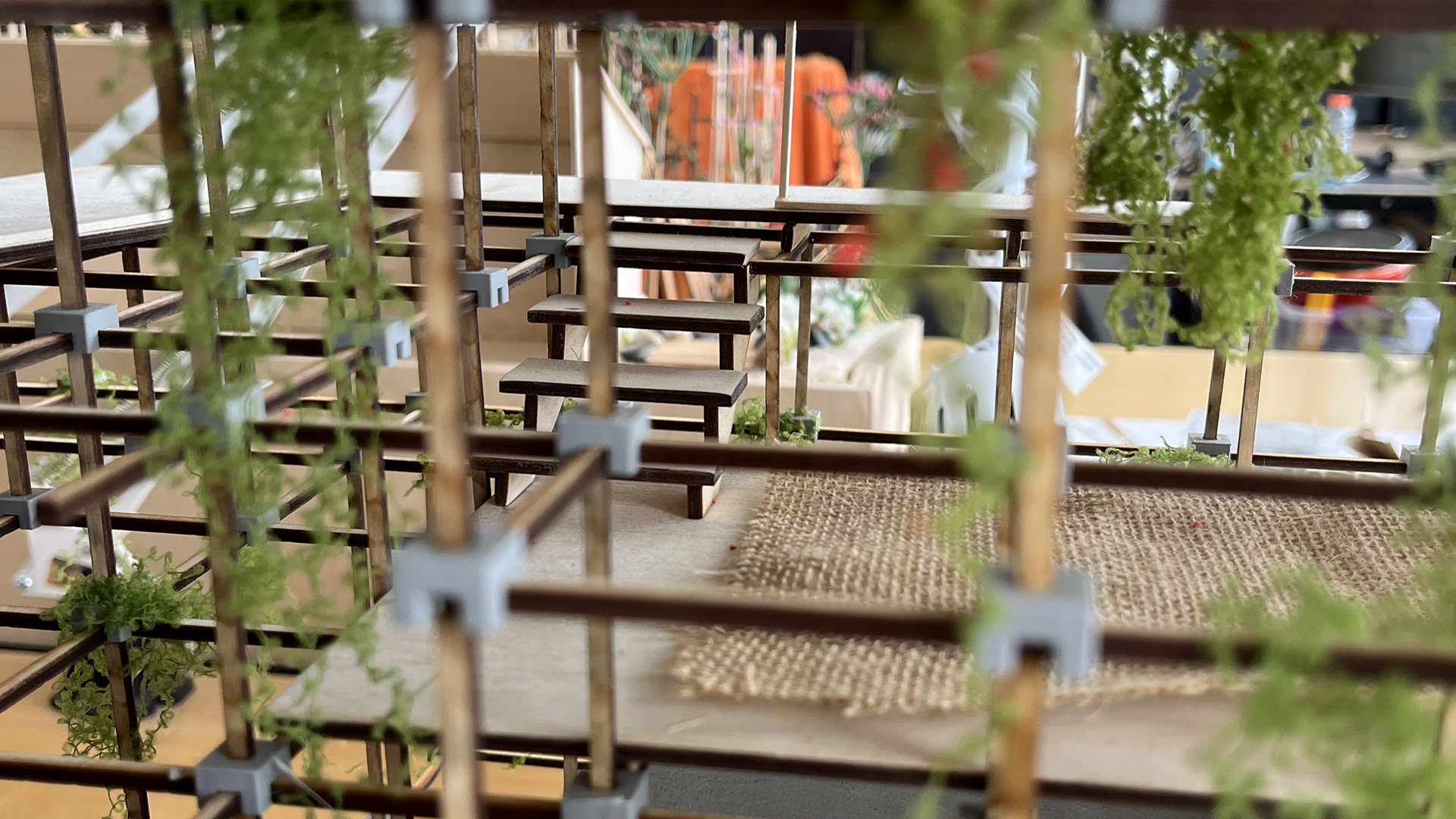
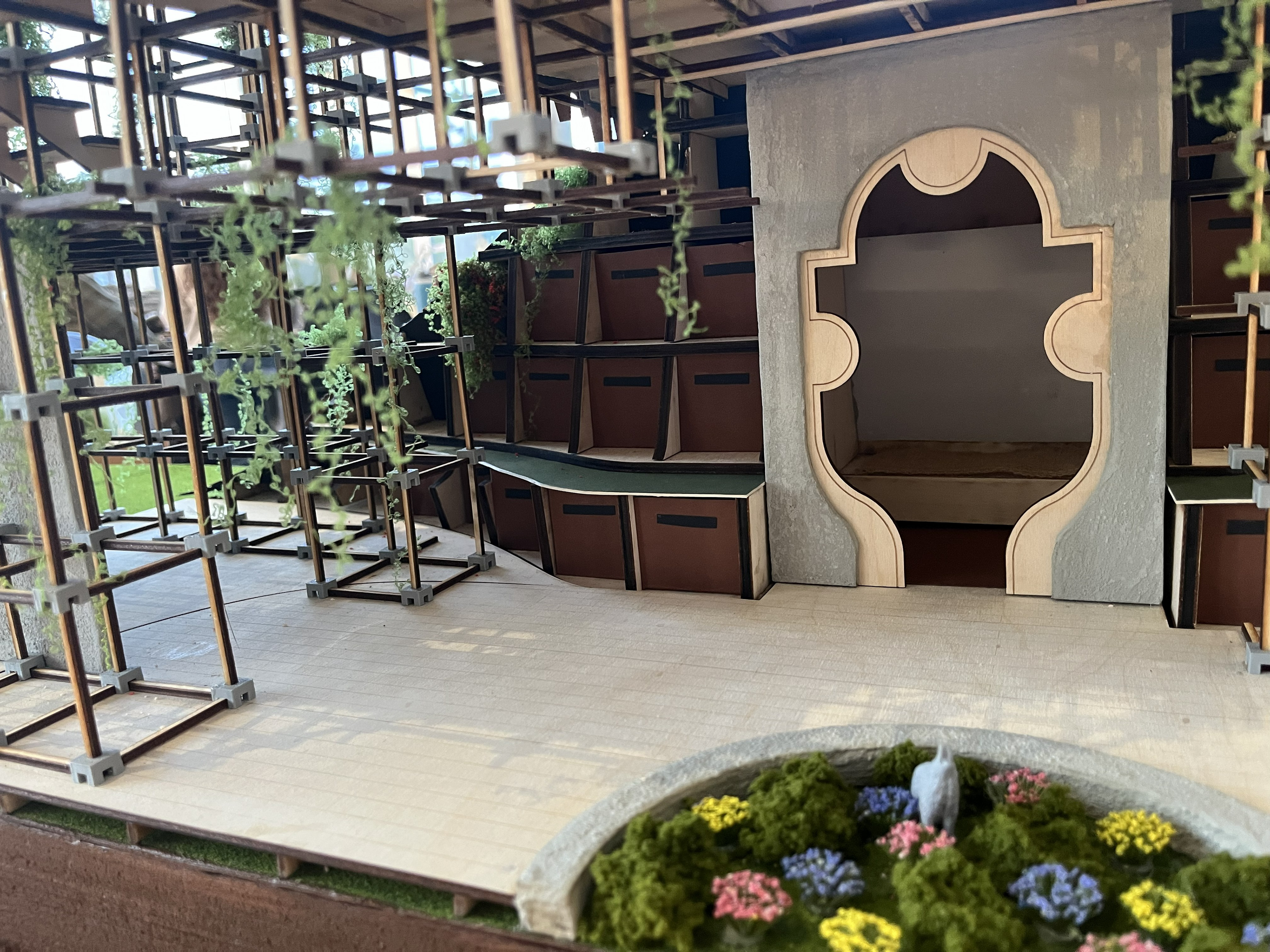
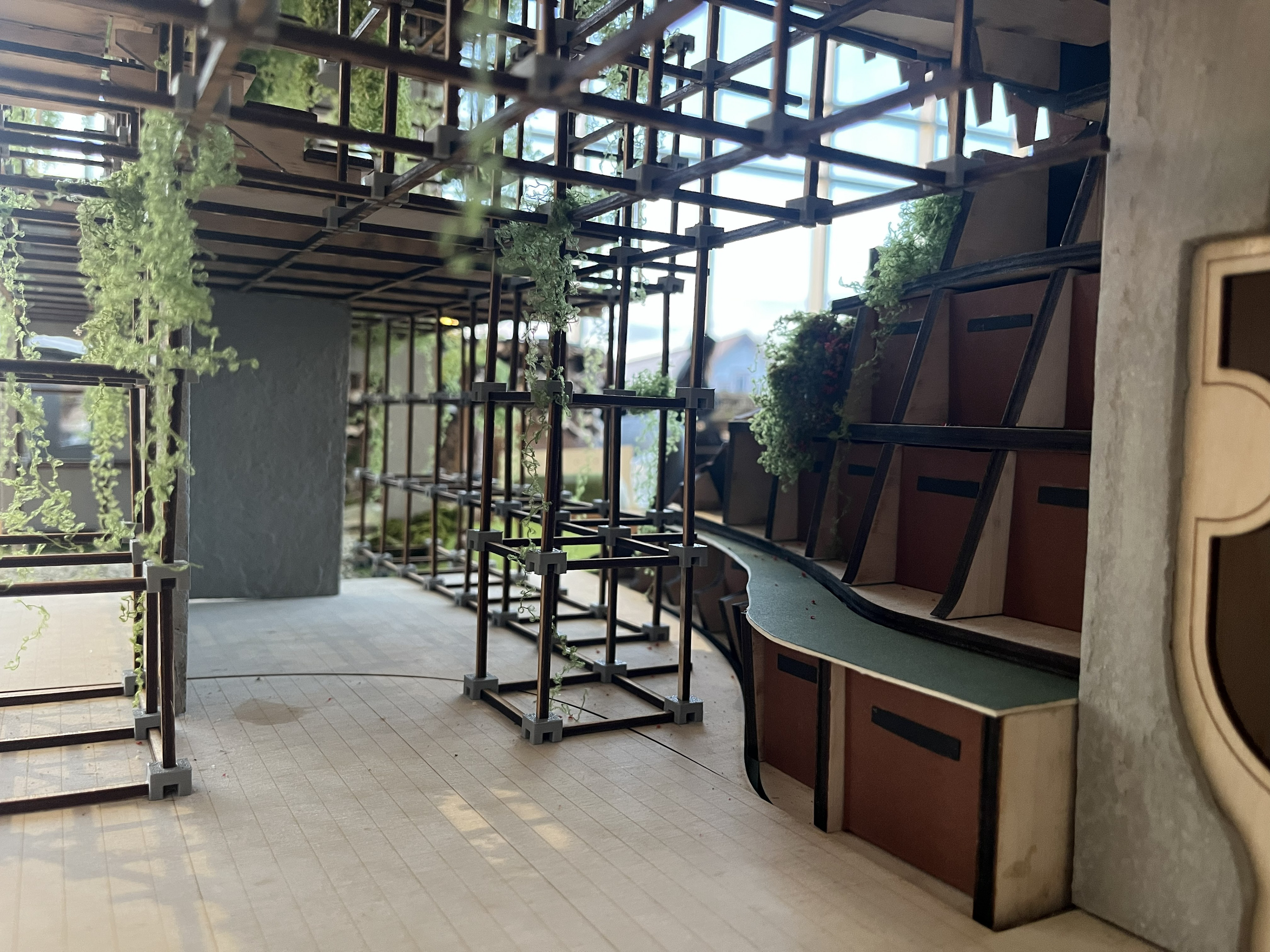
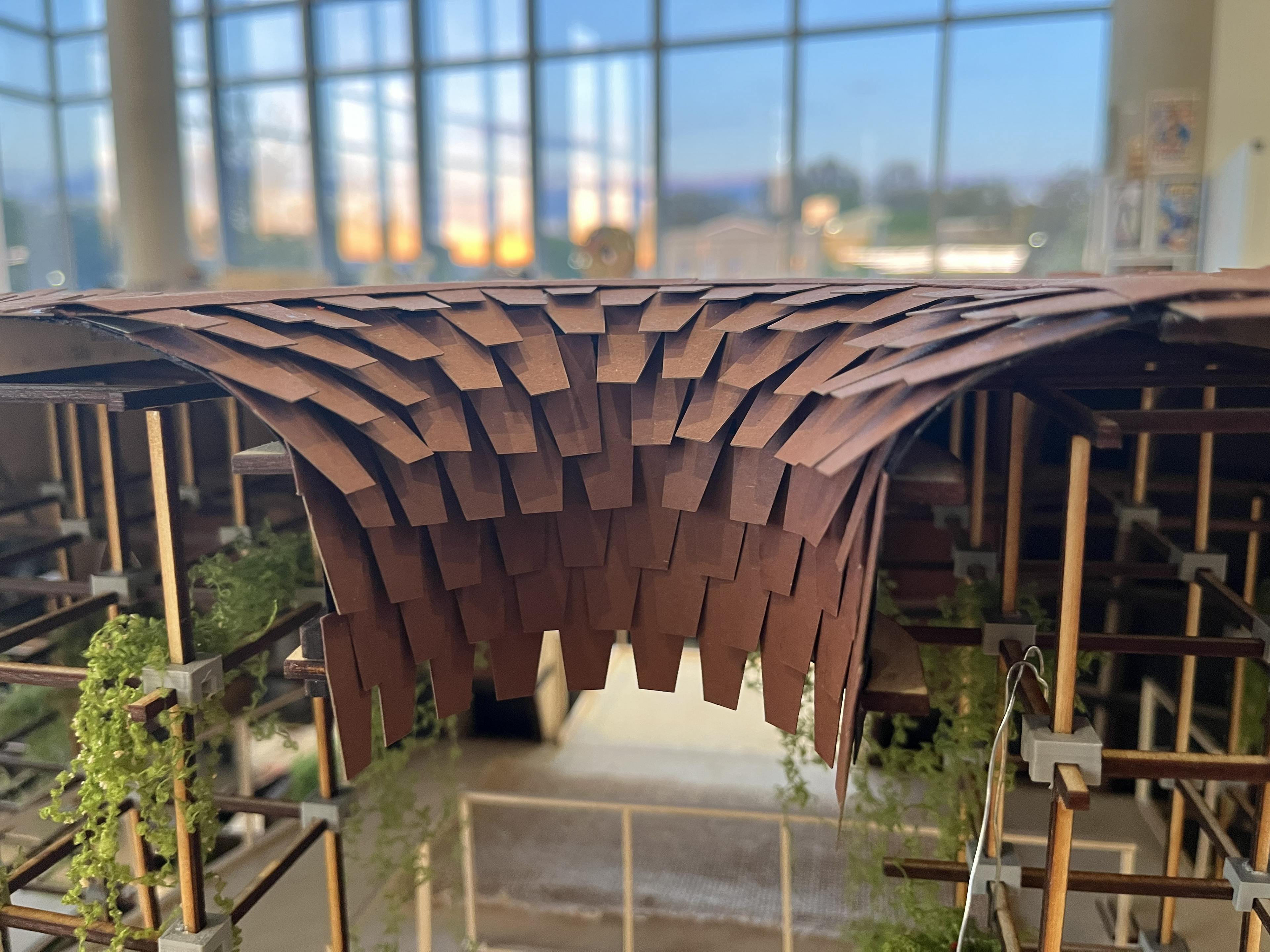
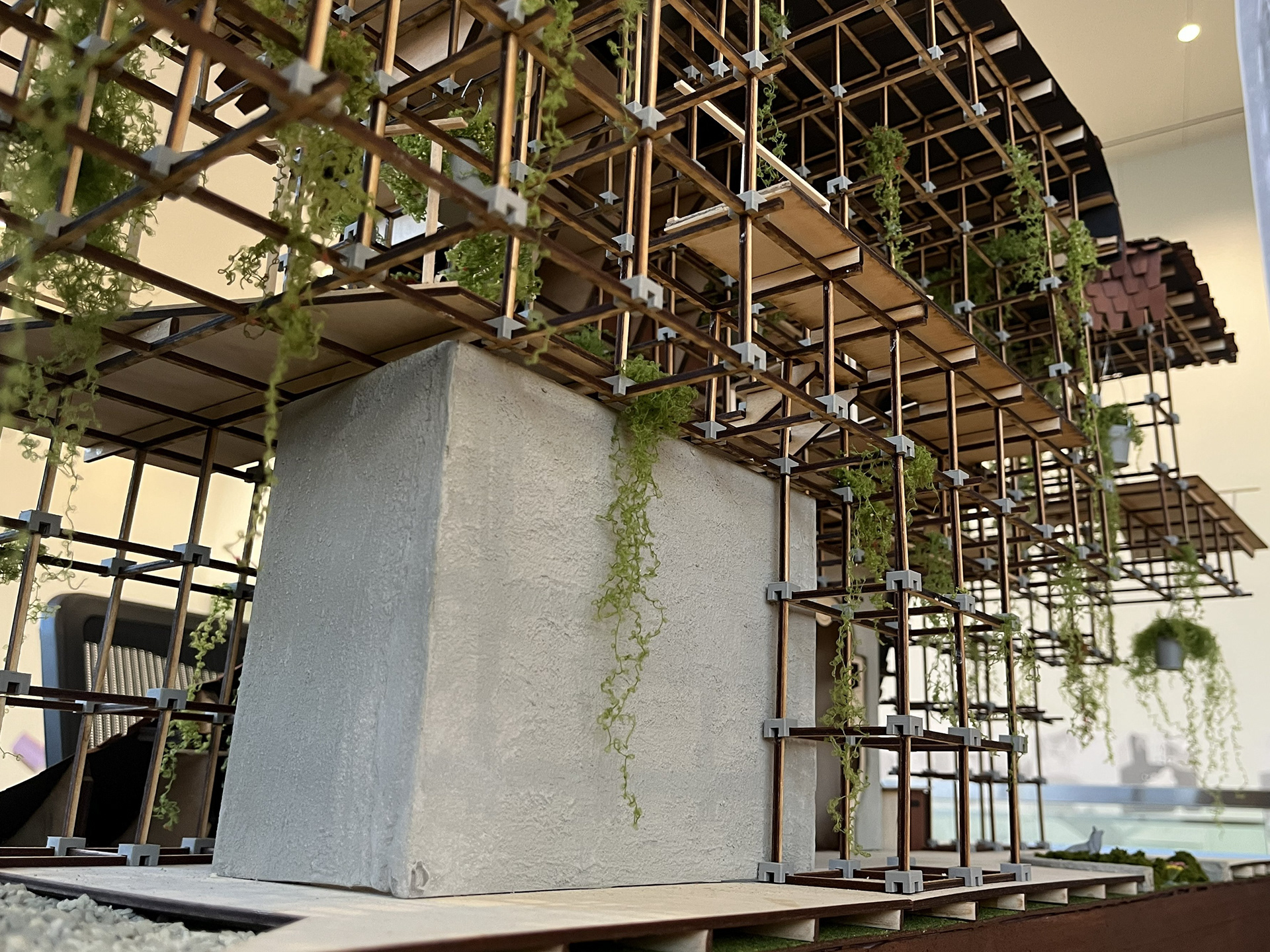
Project: Tropical Vernacular ADU (Accessory Dwelling Unit)
Location: Miami, FL
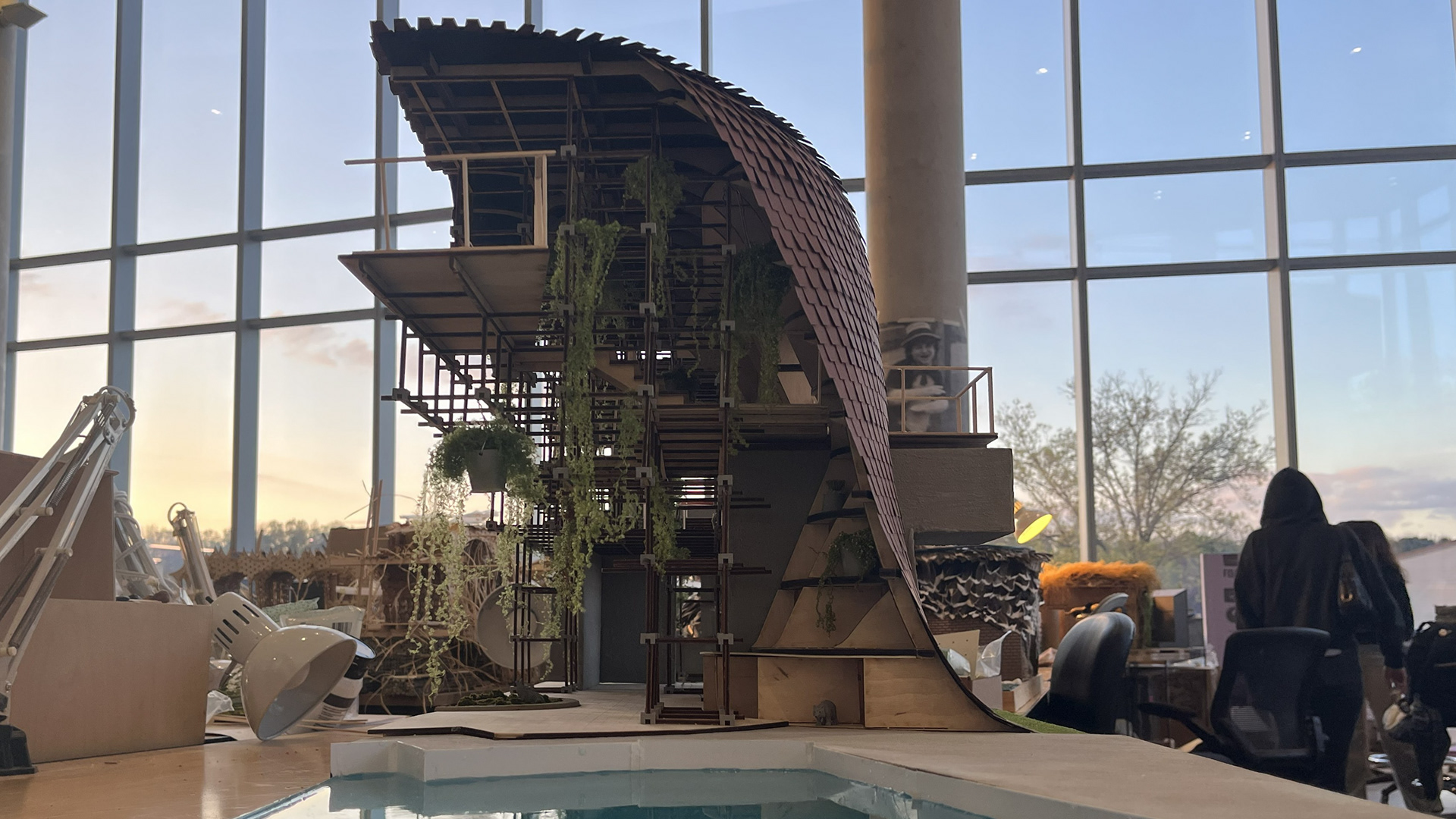
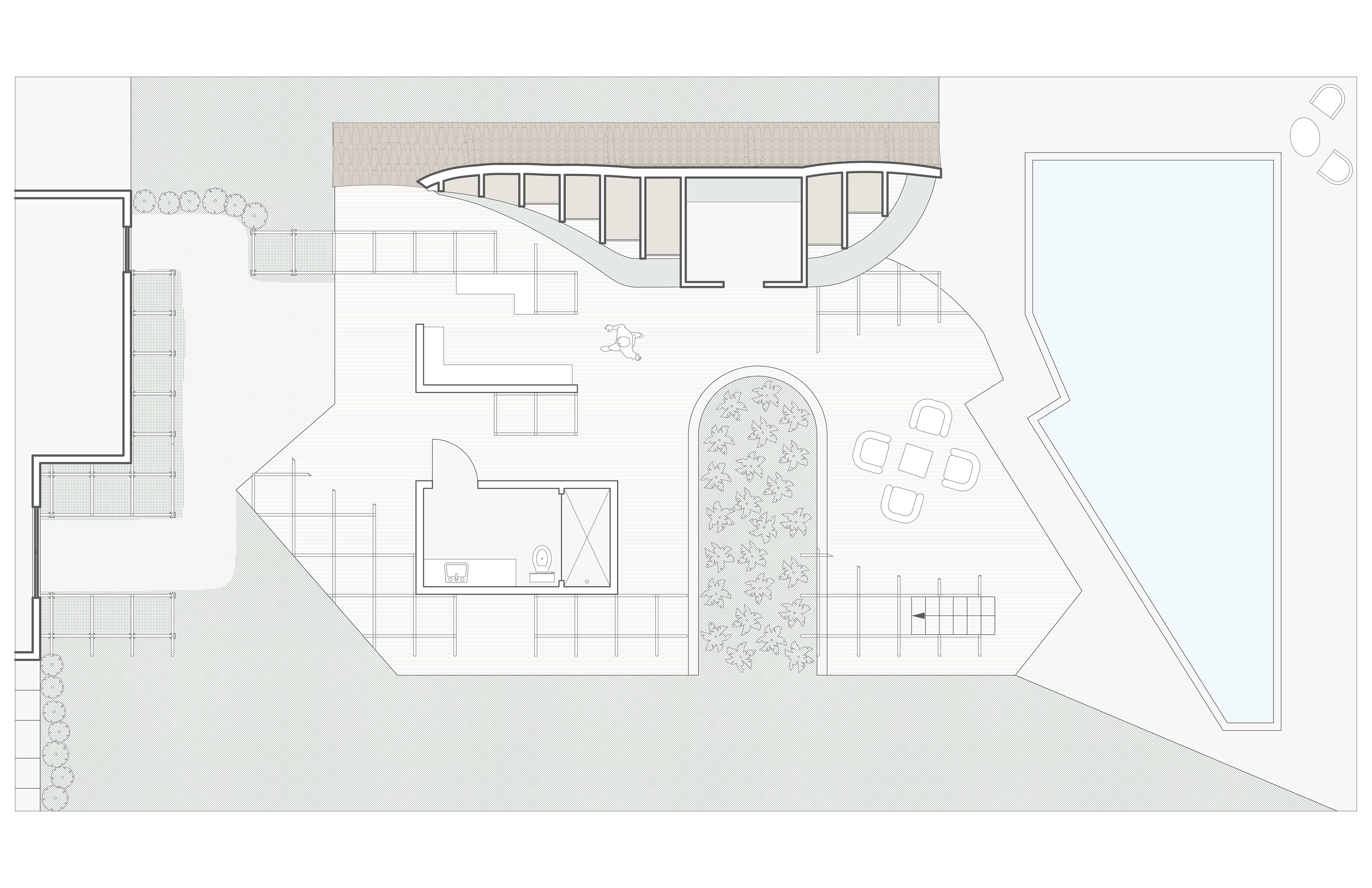
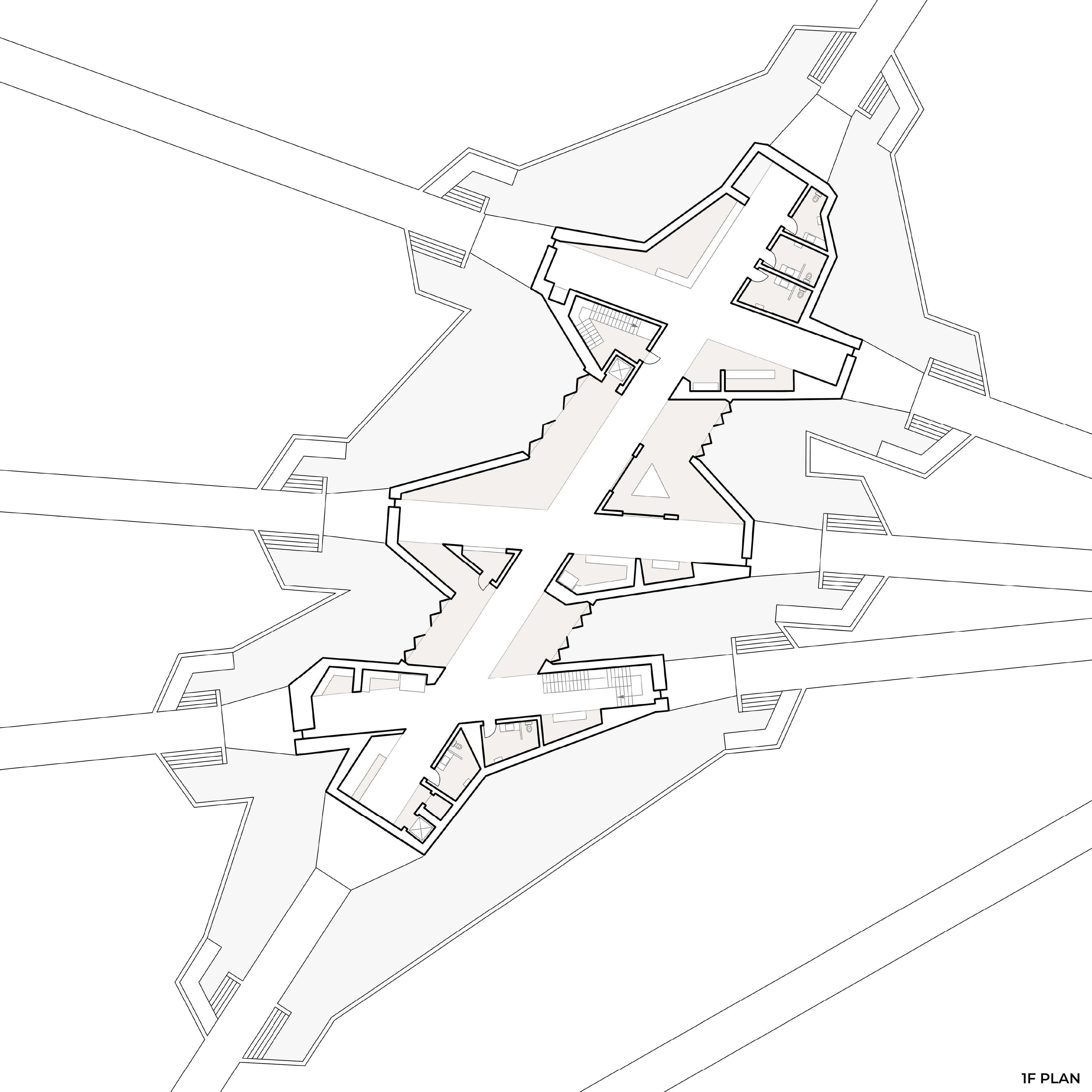
1F Plan
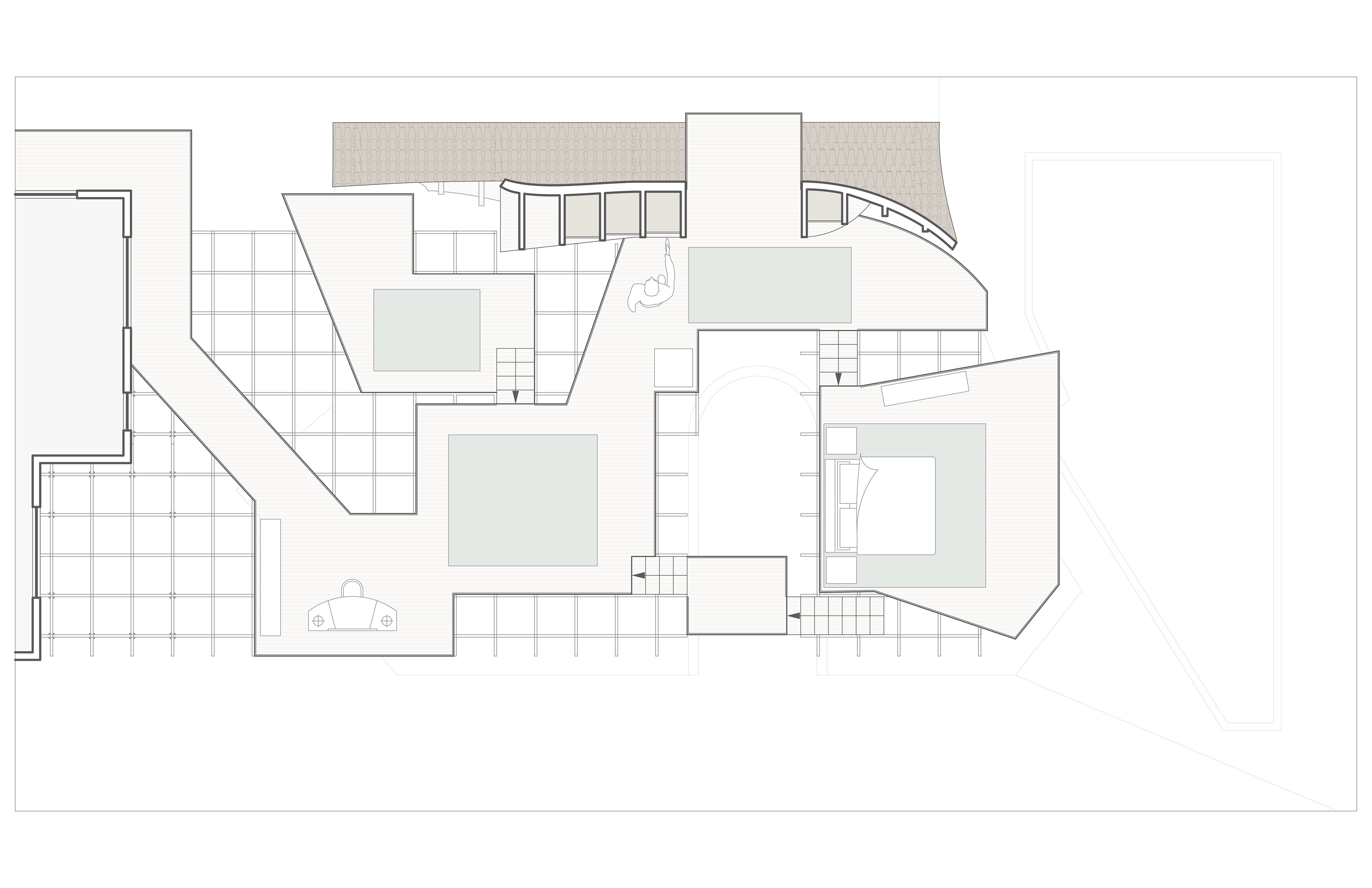
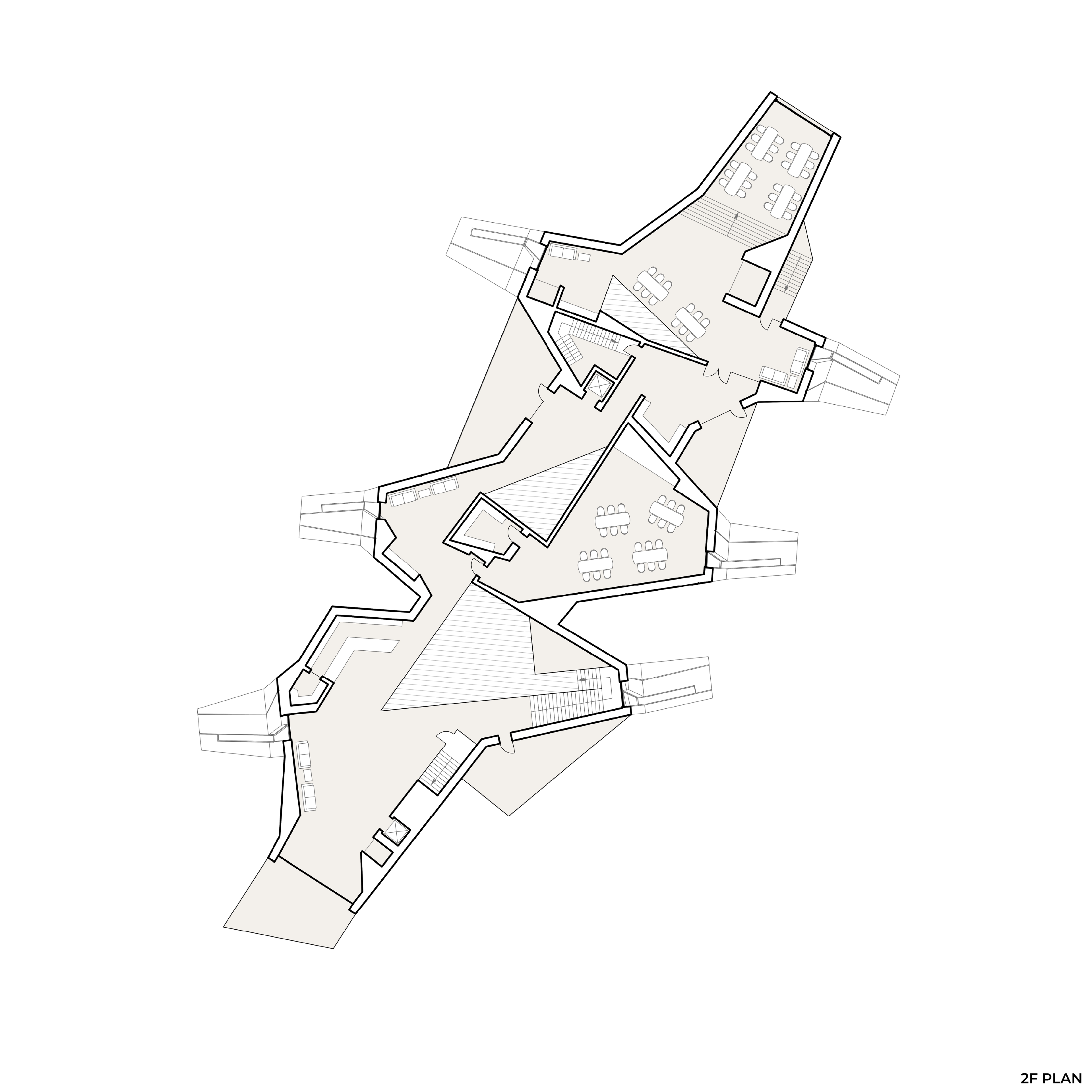
2F Plan
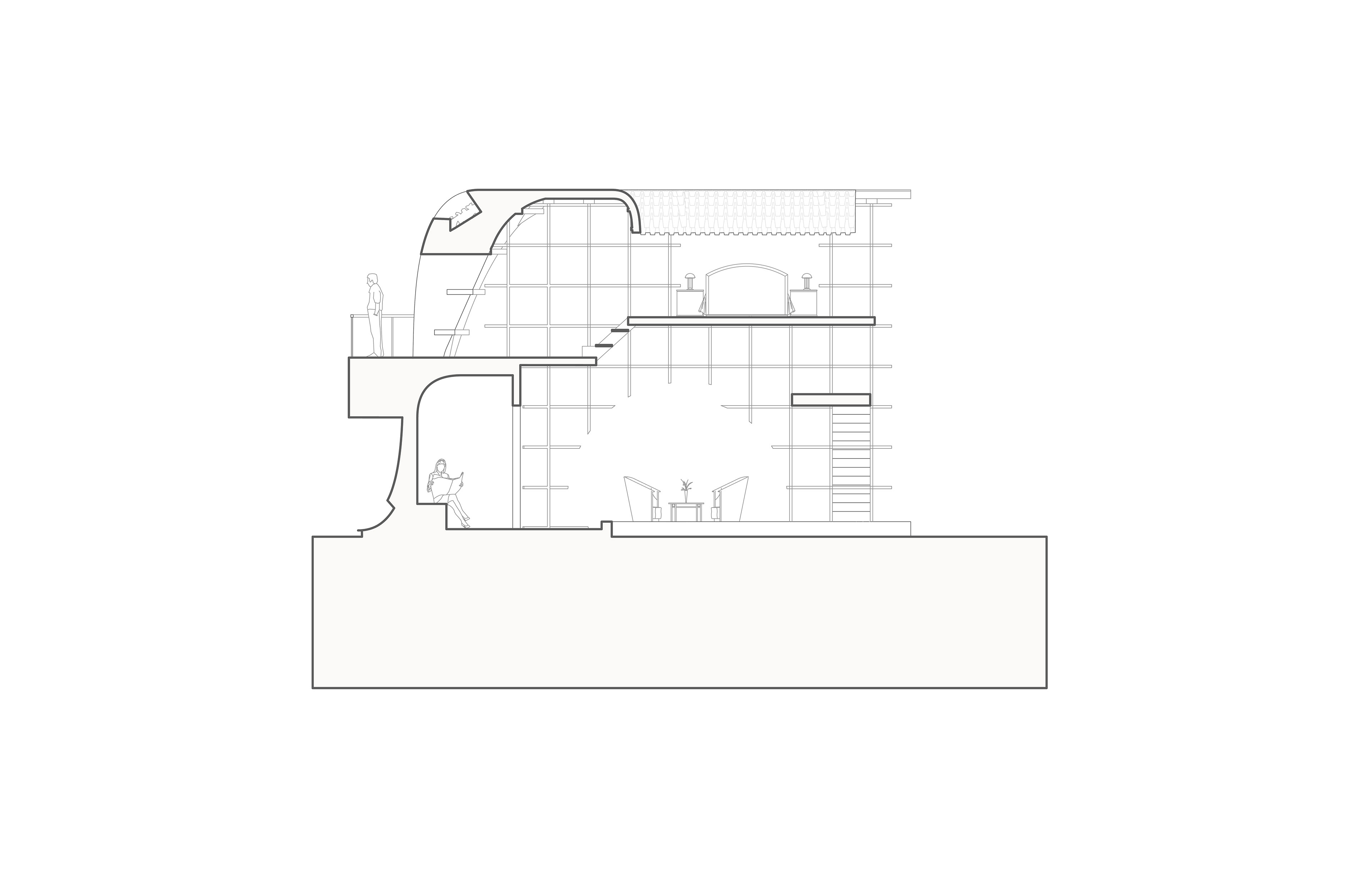
Section
M.ARCH SEMESTER I
Professor: Eric Fisher
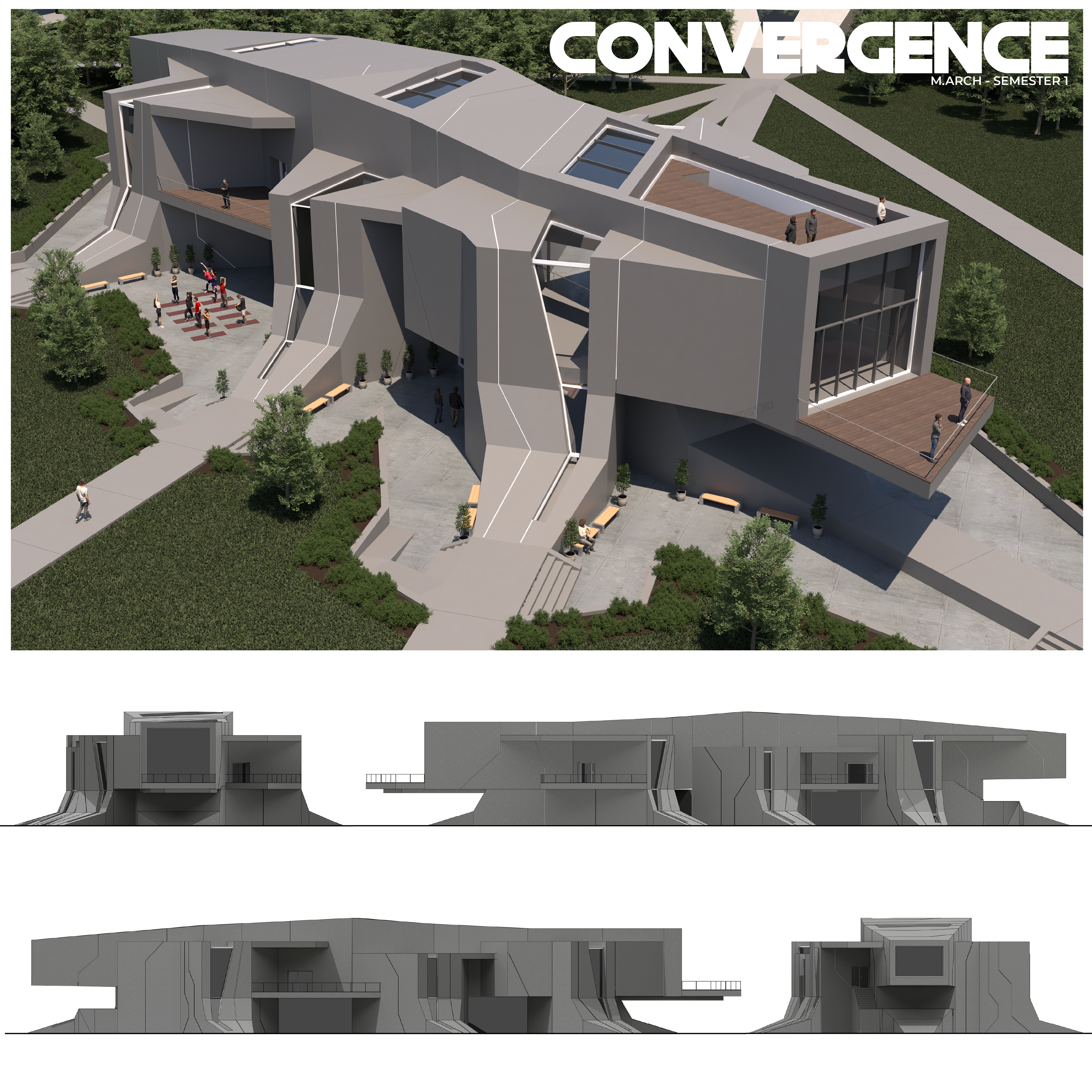
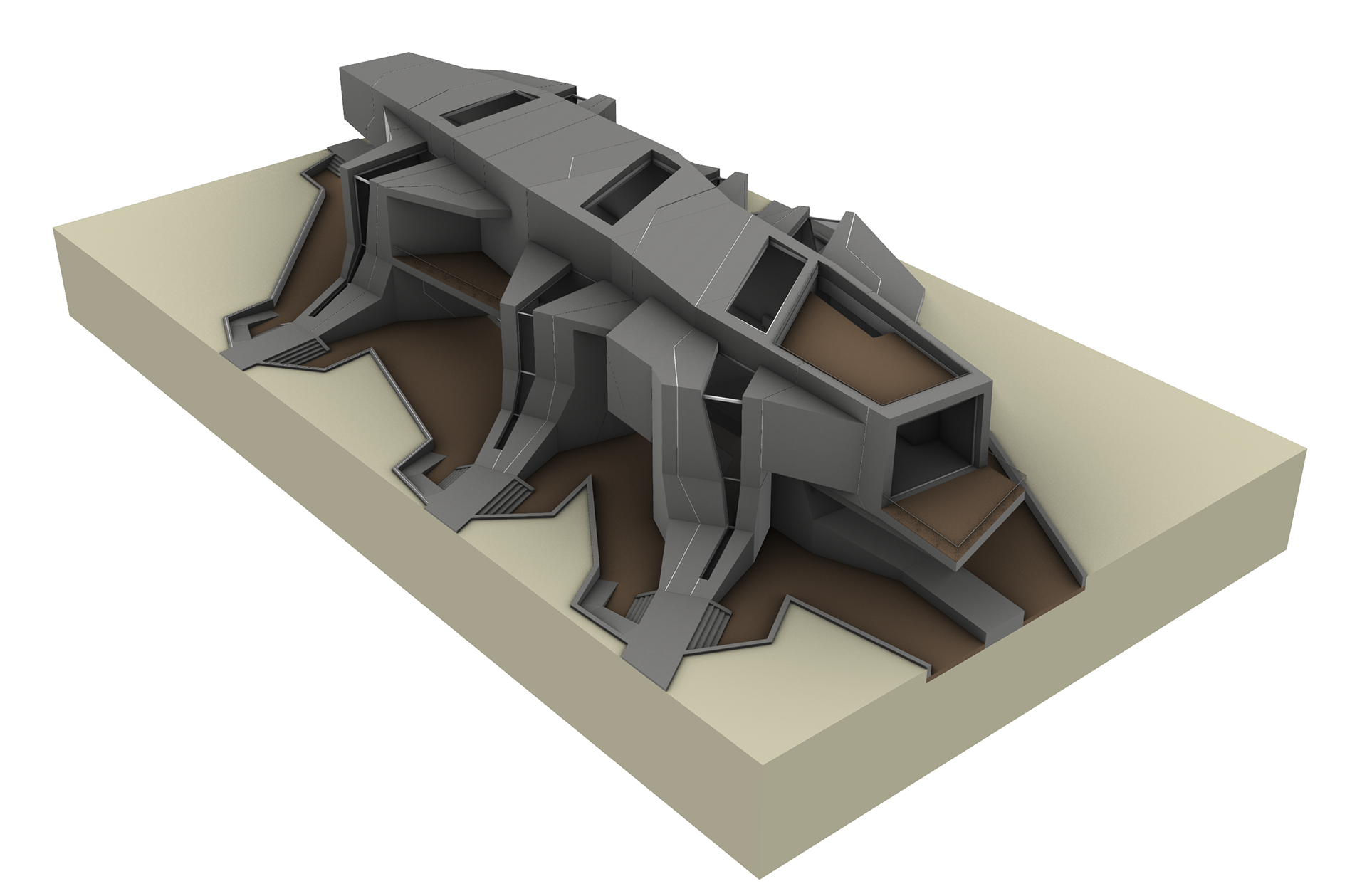
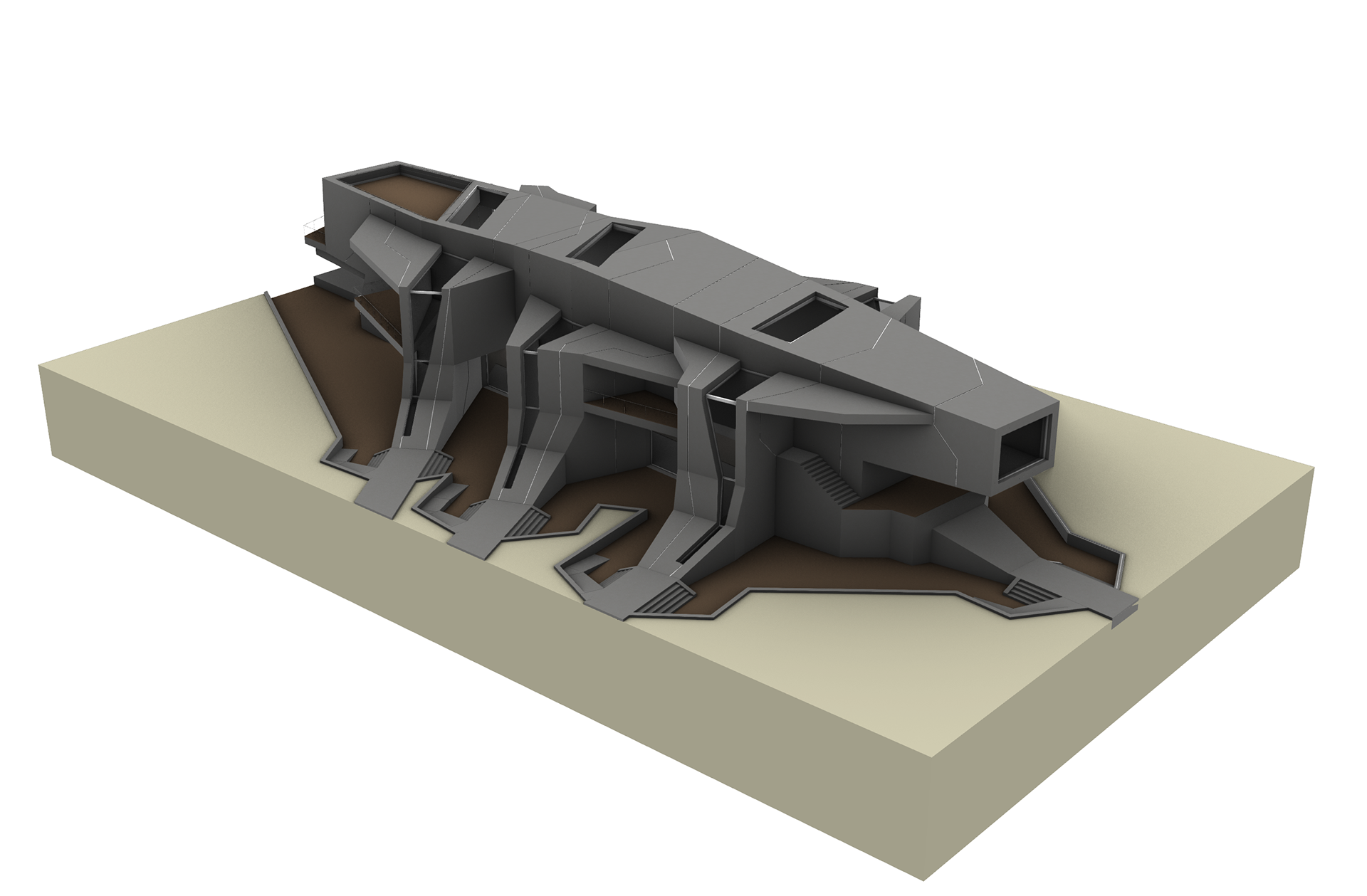
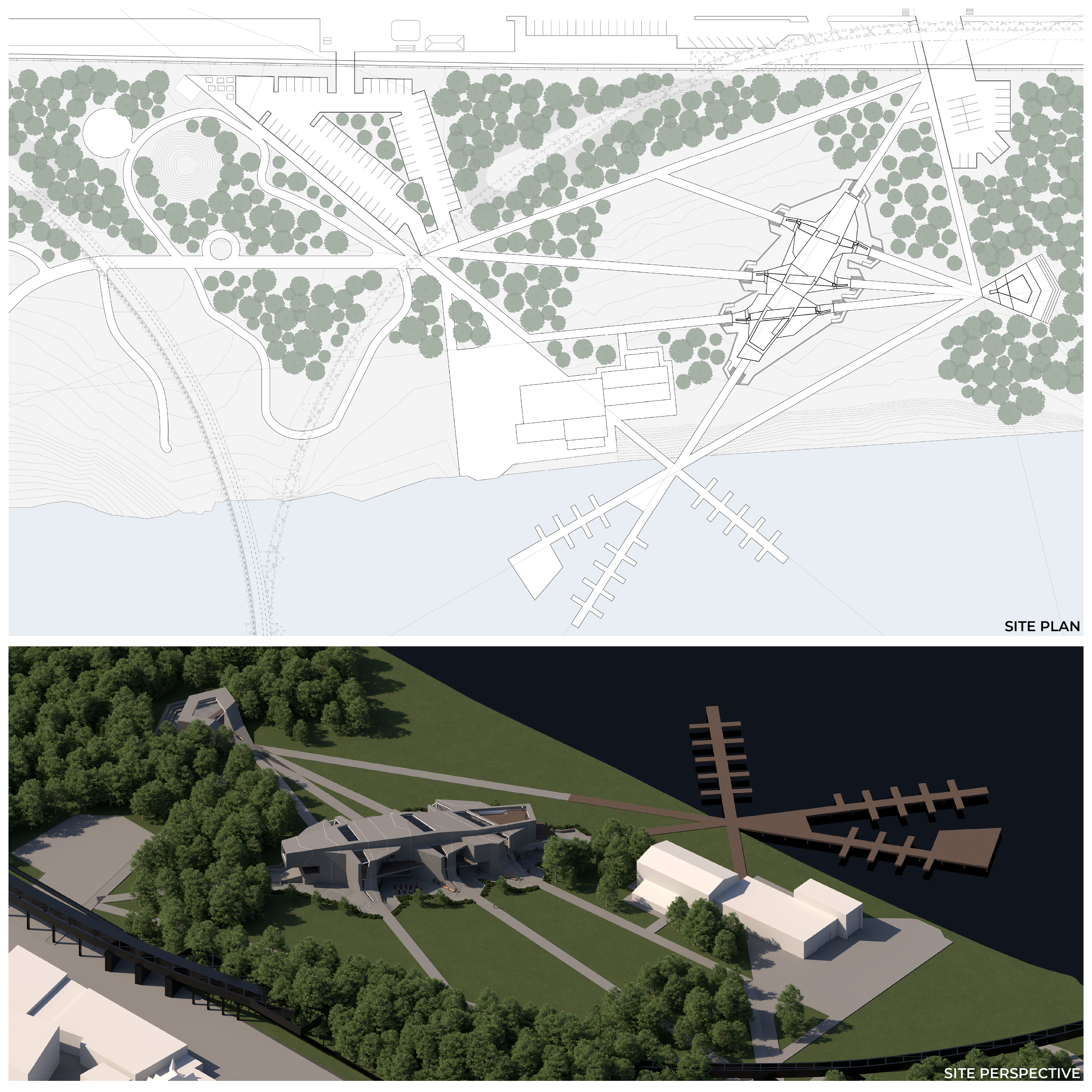
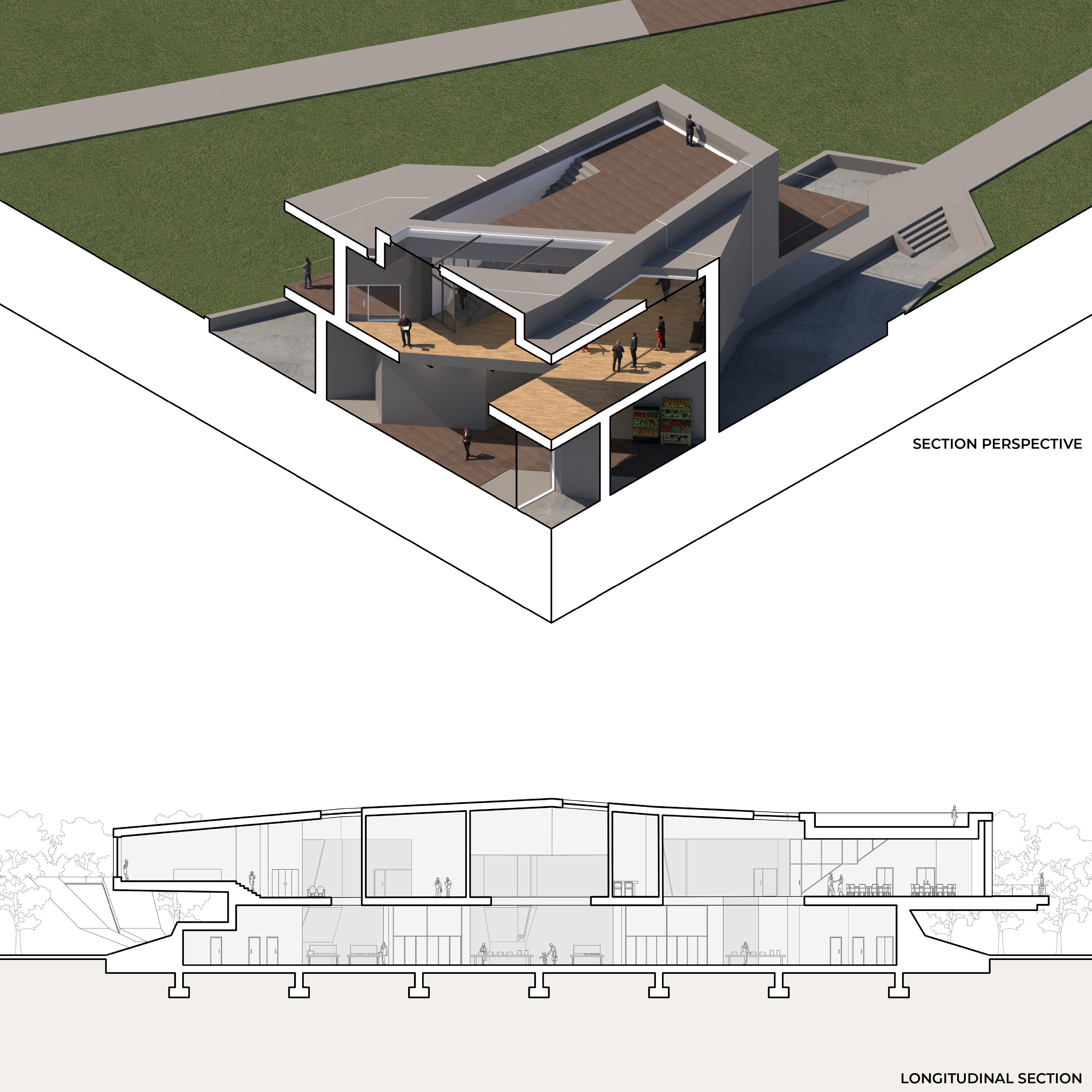
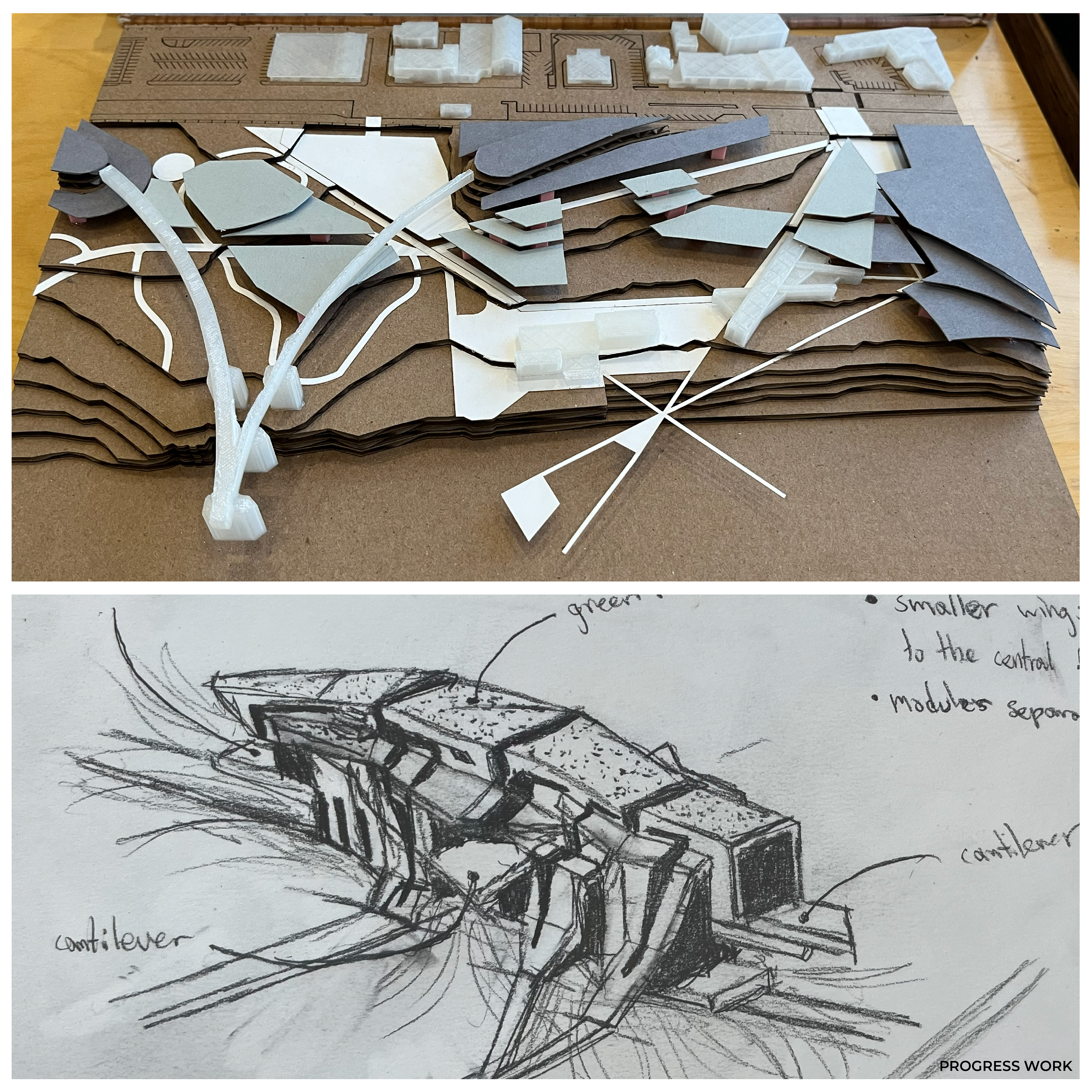
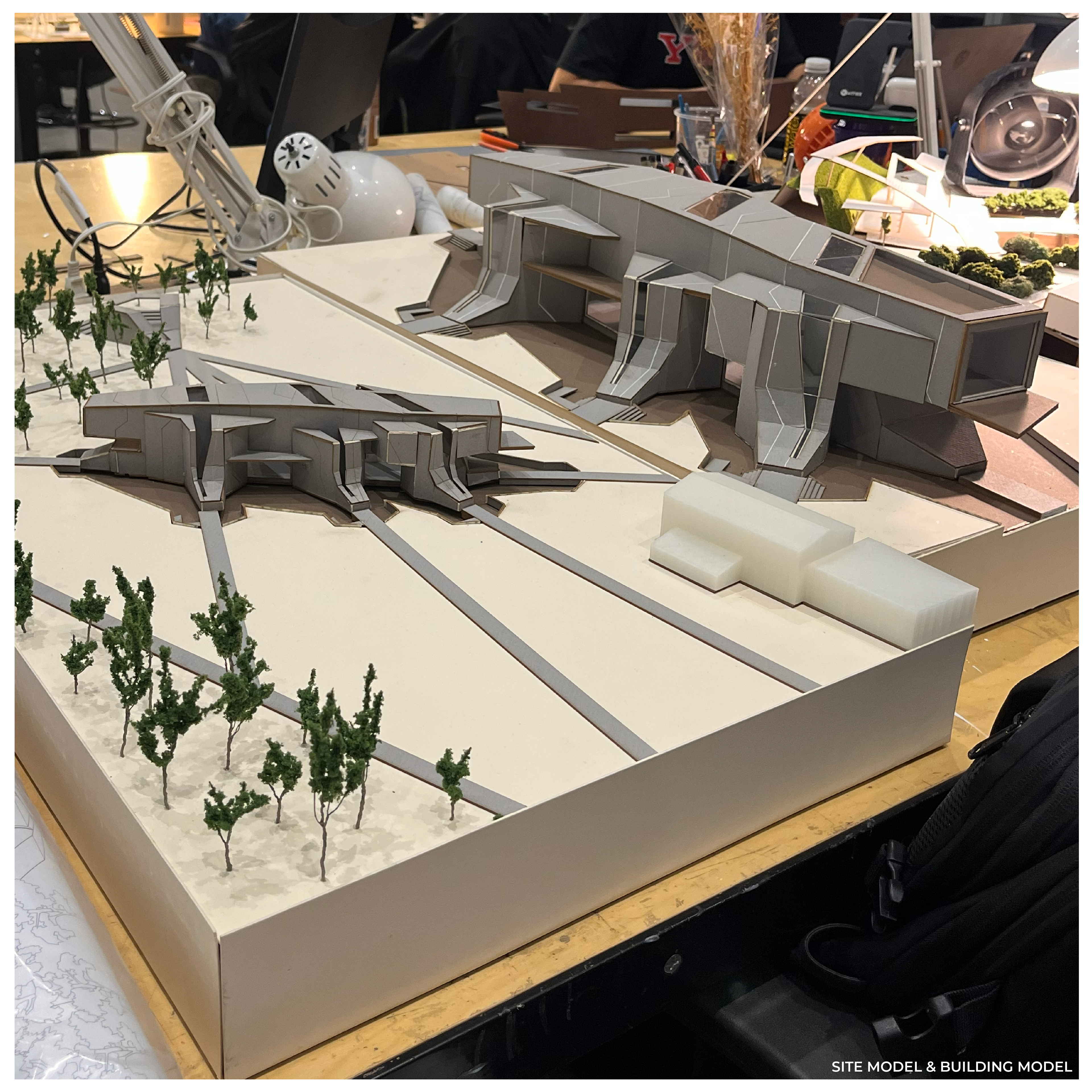
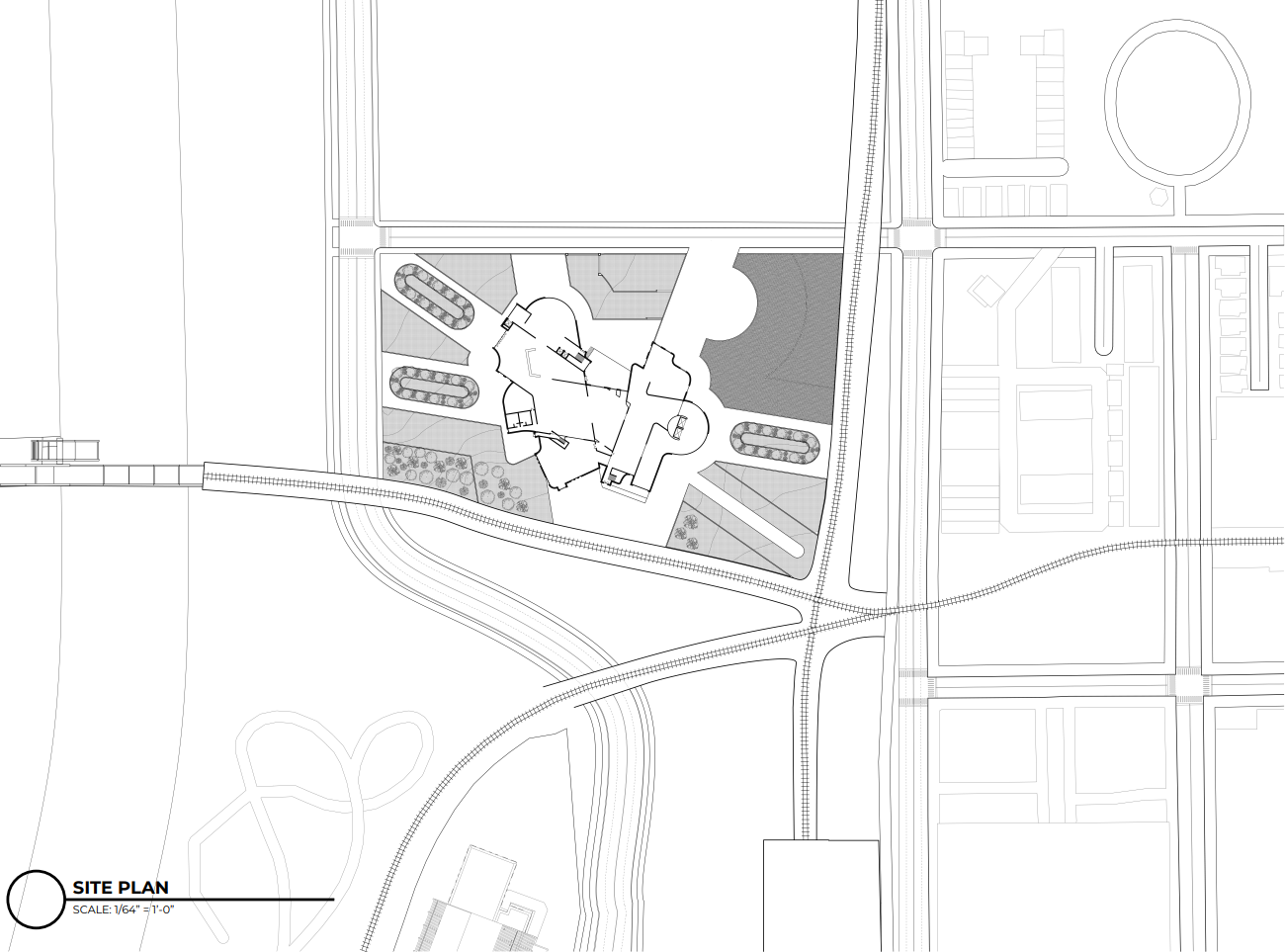
This project explores intersections, connections, and monolithic architecture. The visitor center is situated at the crossing of direct walking paths between the park entrances, marina pier, bike path, and amphitheater. Convergence acts visually as a monolith that grows out of the ground, intentionally contrasting the flimsier buildings in the bordering neighborhood. The boulder-like form represents an architecture that will serve the community for many years to come.
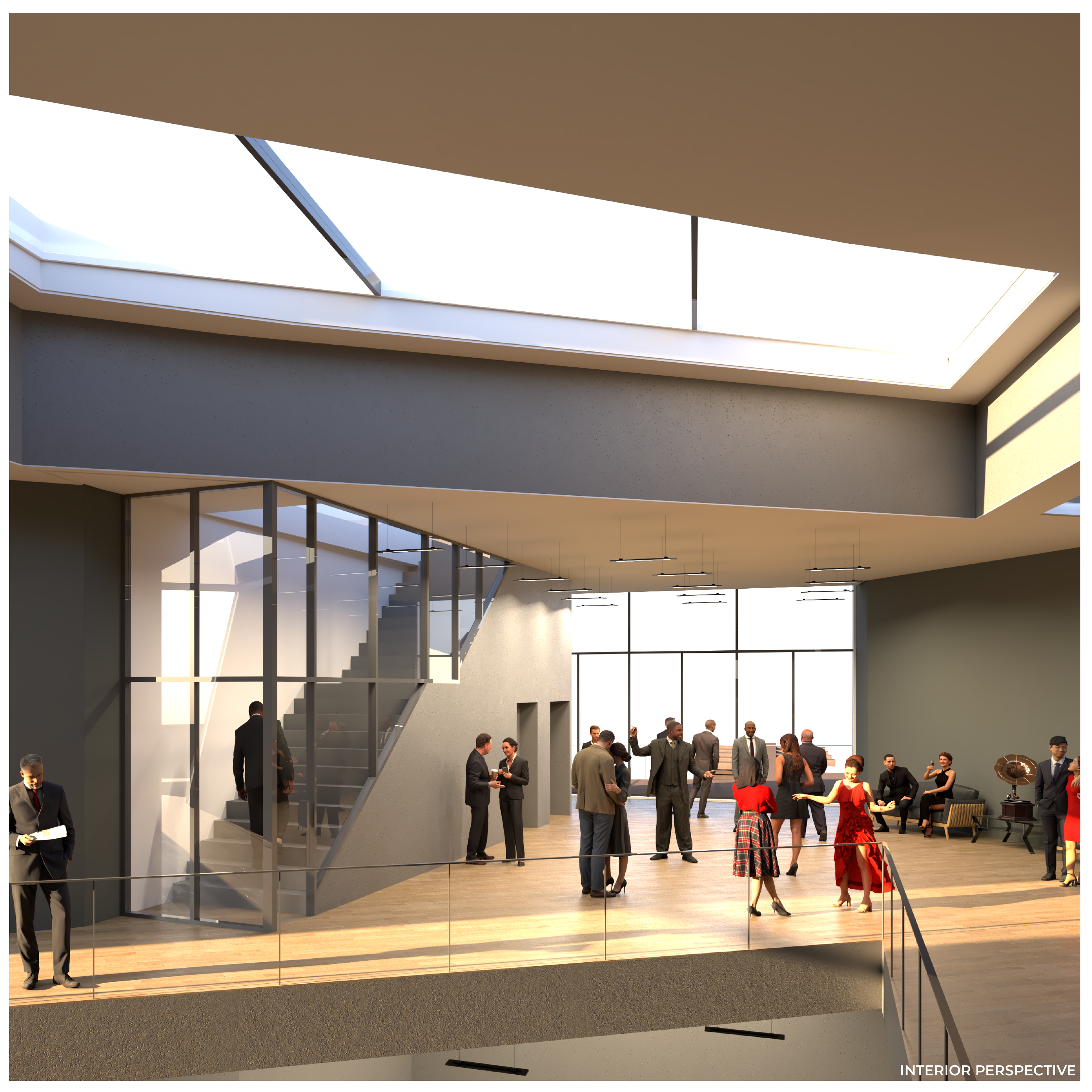
Visitors are encouraged to step down into the entrance area that is eroded into the ground between path intersections. Large skylights and folding windows visually transfer the paths from one side of the visitor center to the other.
Full-story windows on the shorter ends of the building offer views over the river and park. At the ground level, the intersecting paths influence the organization of an open market space, bringing the community in from all directions. The floor above features spacious event areas with outdoor decks, including roof access on the southern side. Multiple atriums allow sunlight from the windows and skylights to illuminate the market space. Pockets for program are carved out of the thick concrete walls, utilizing the robustness of this monolith. All of these moves were done to create a captivating spatial experience, both on the interior and the exterior.
SEMESTER VIII
Professor: Bill Lucak
Integrated Design Studio
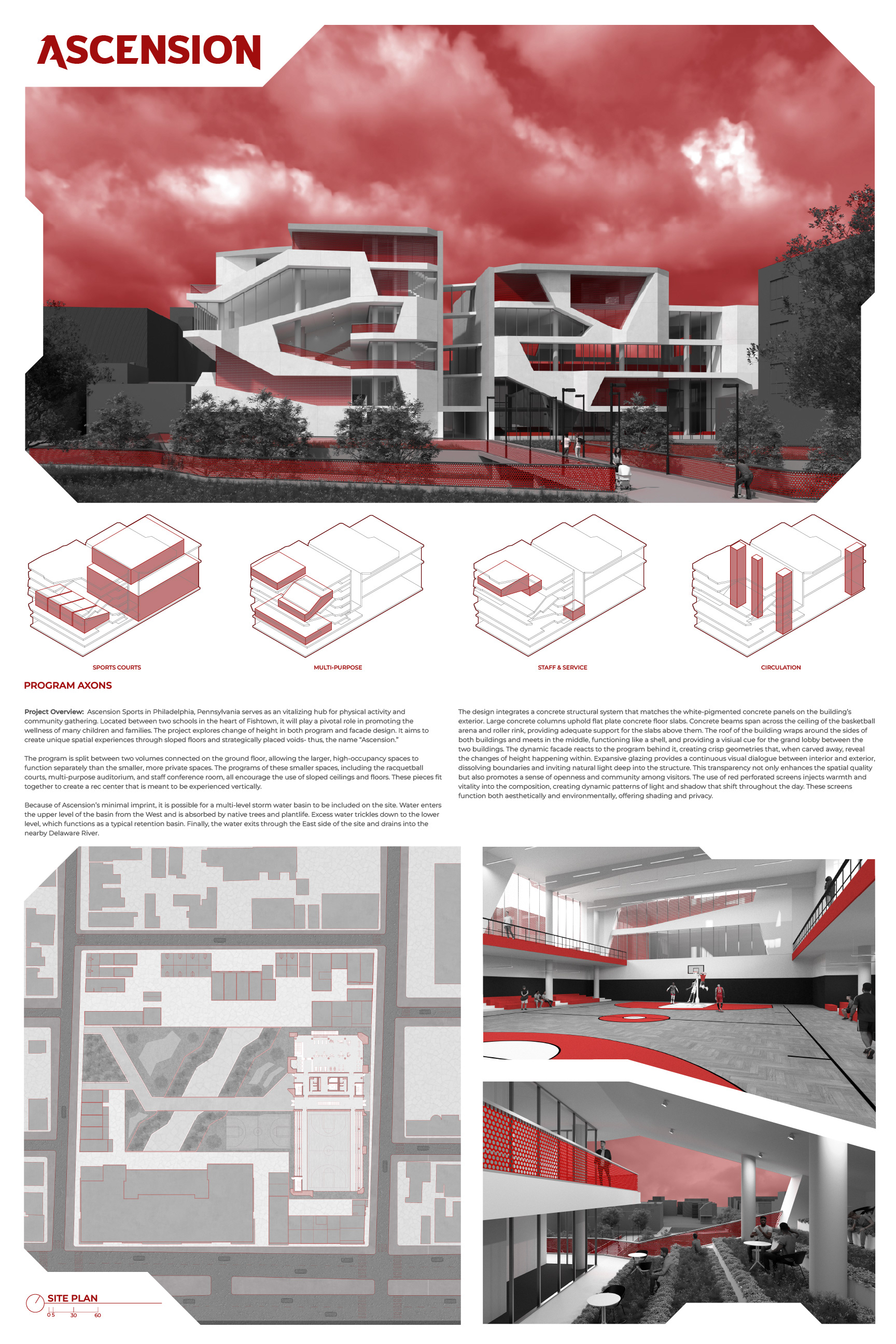
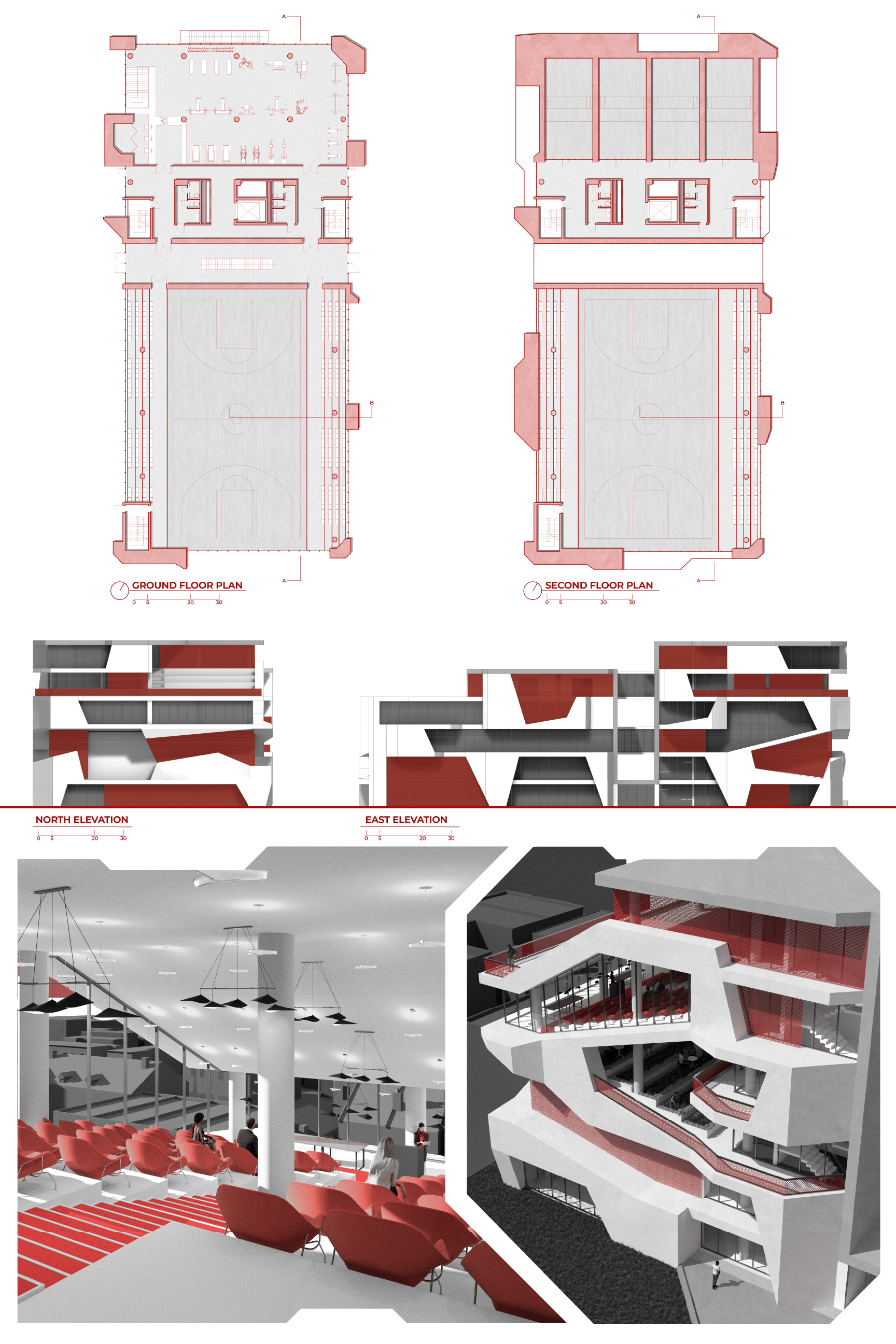
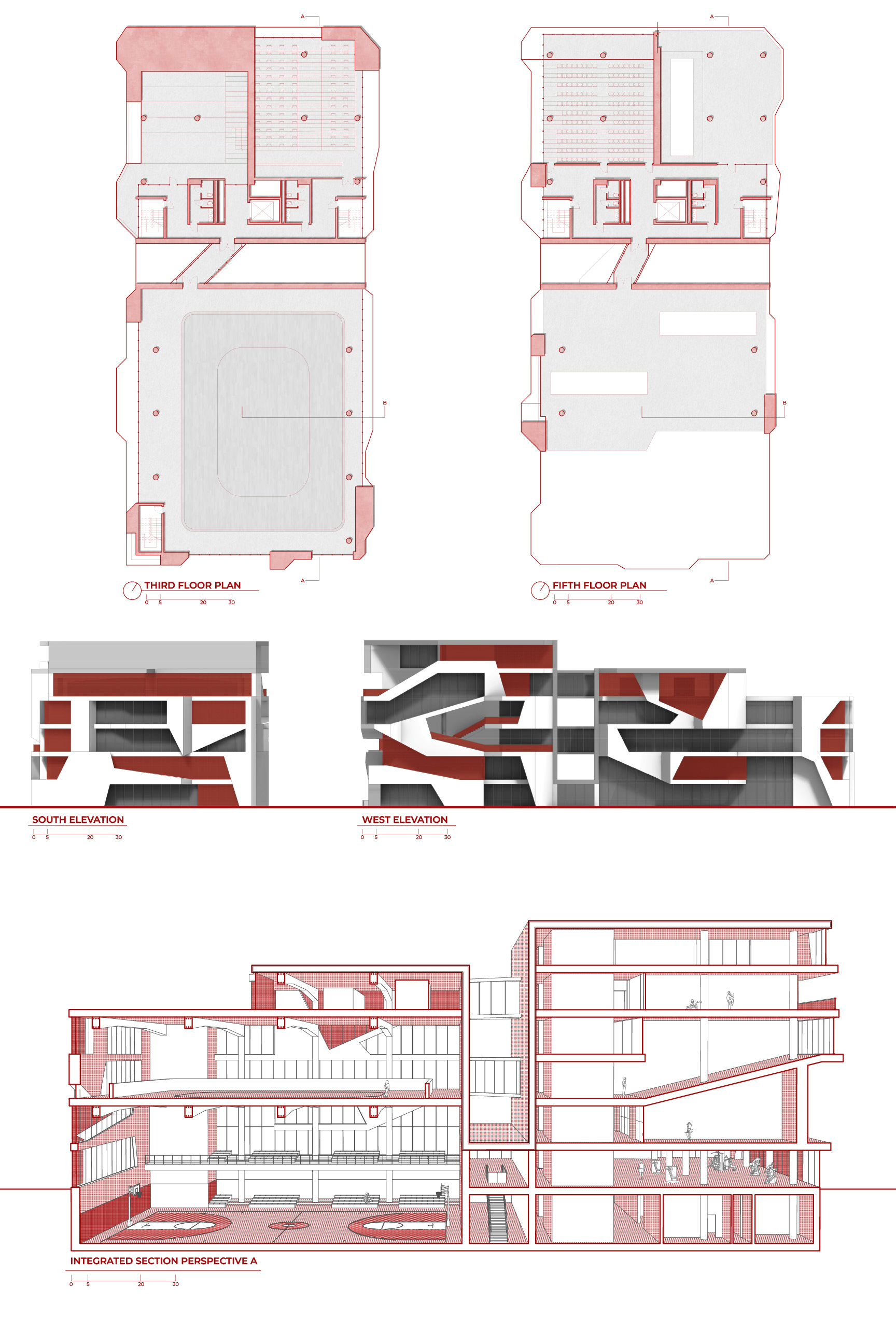
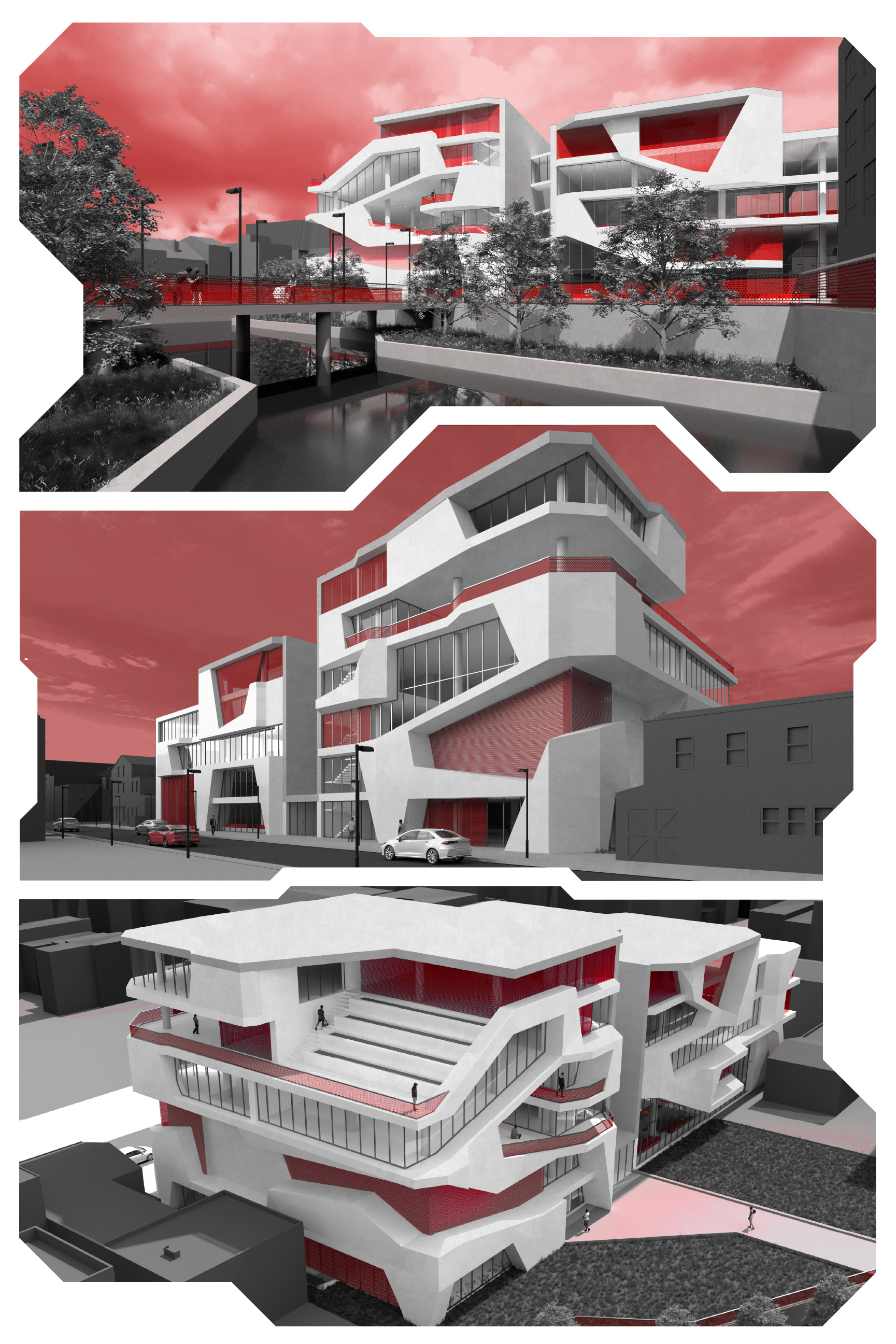
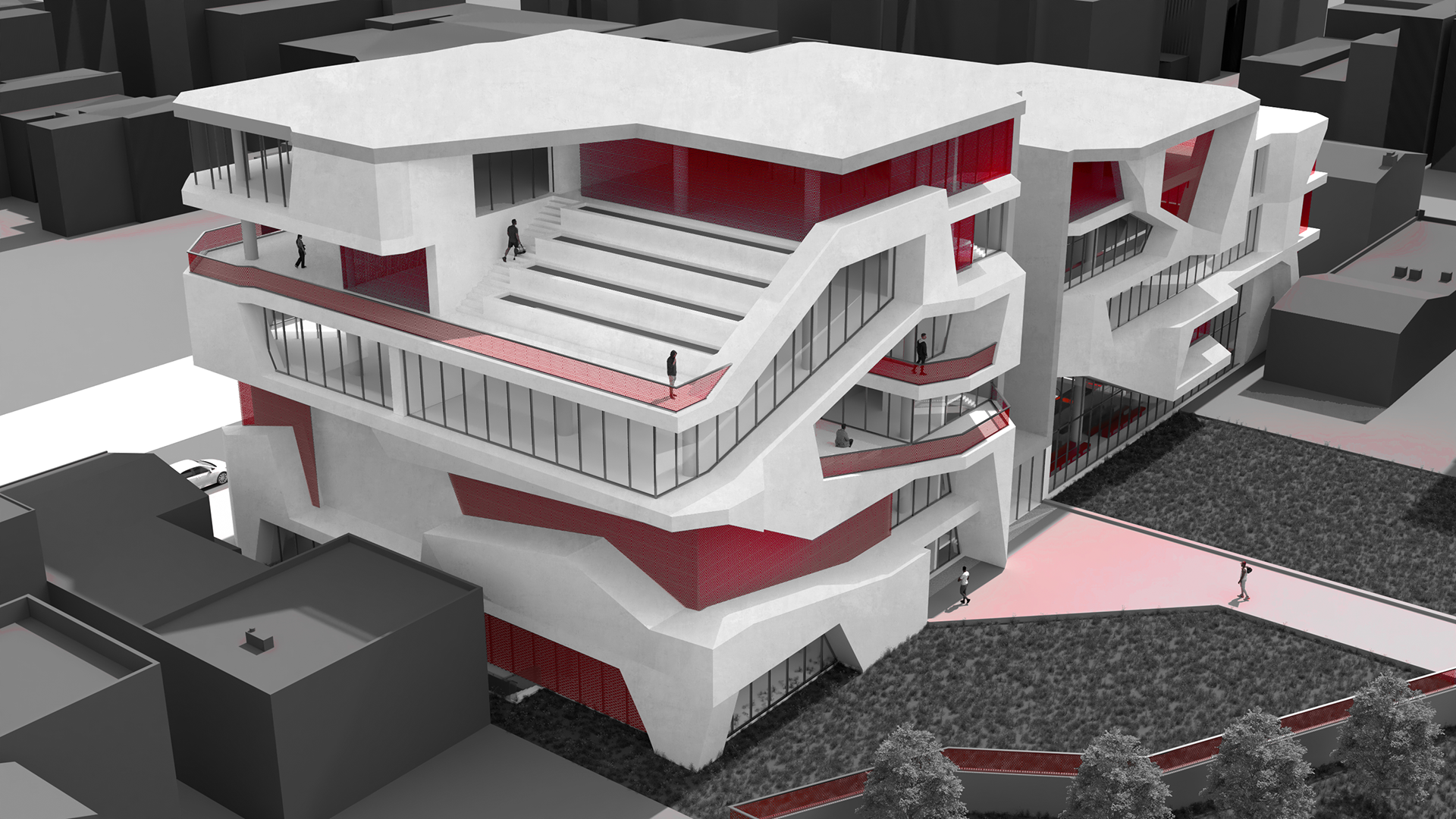
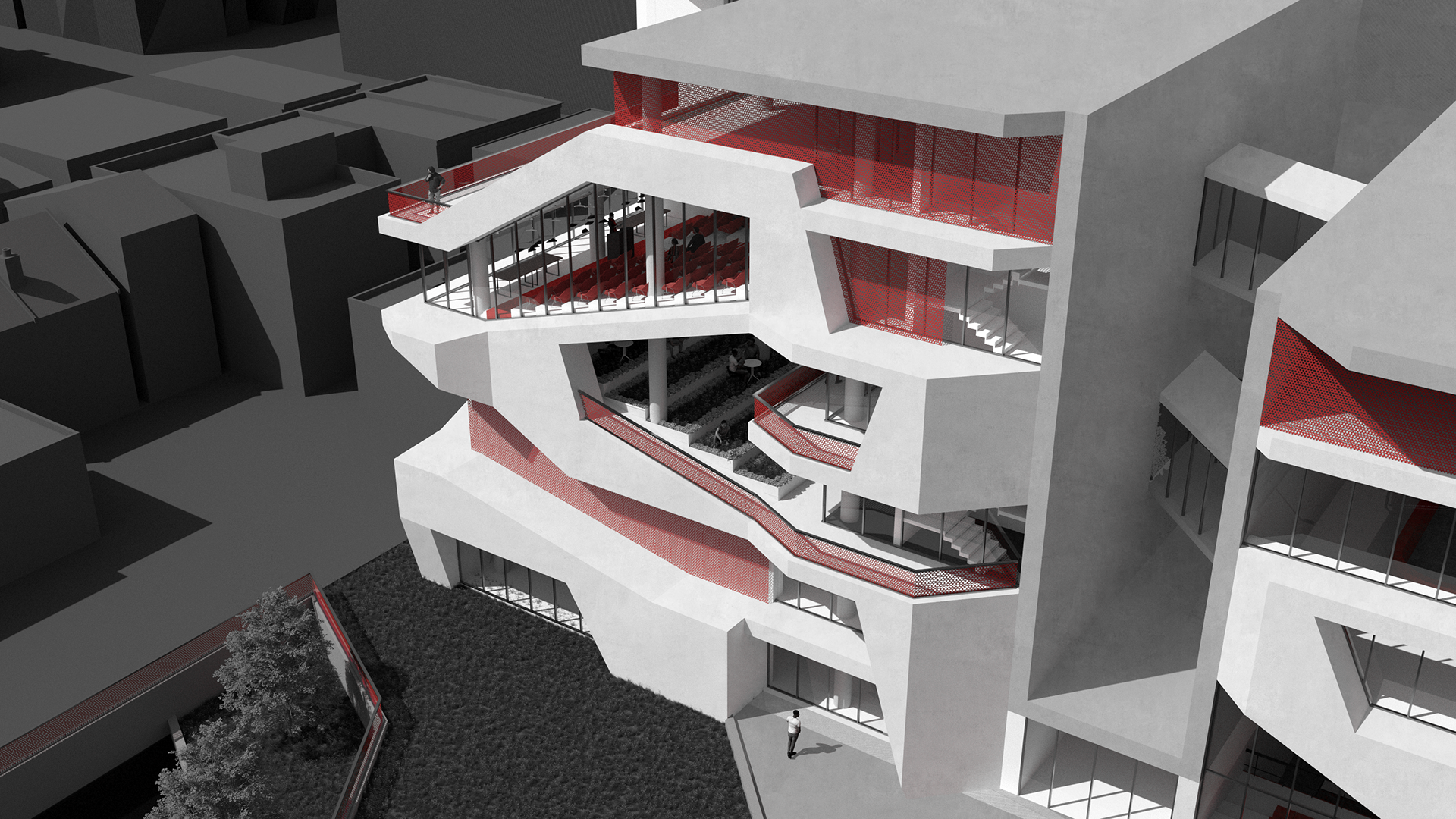
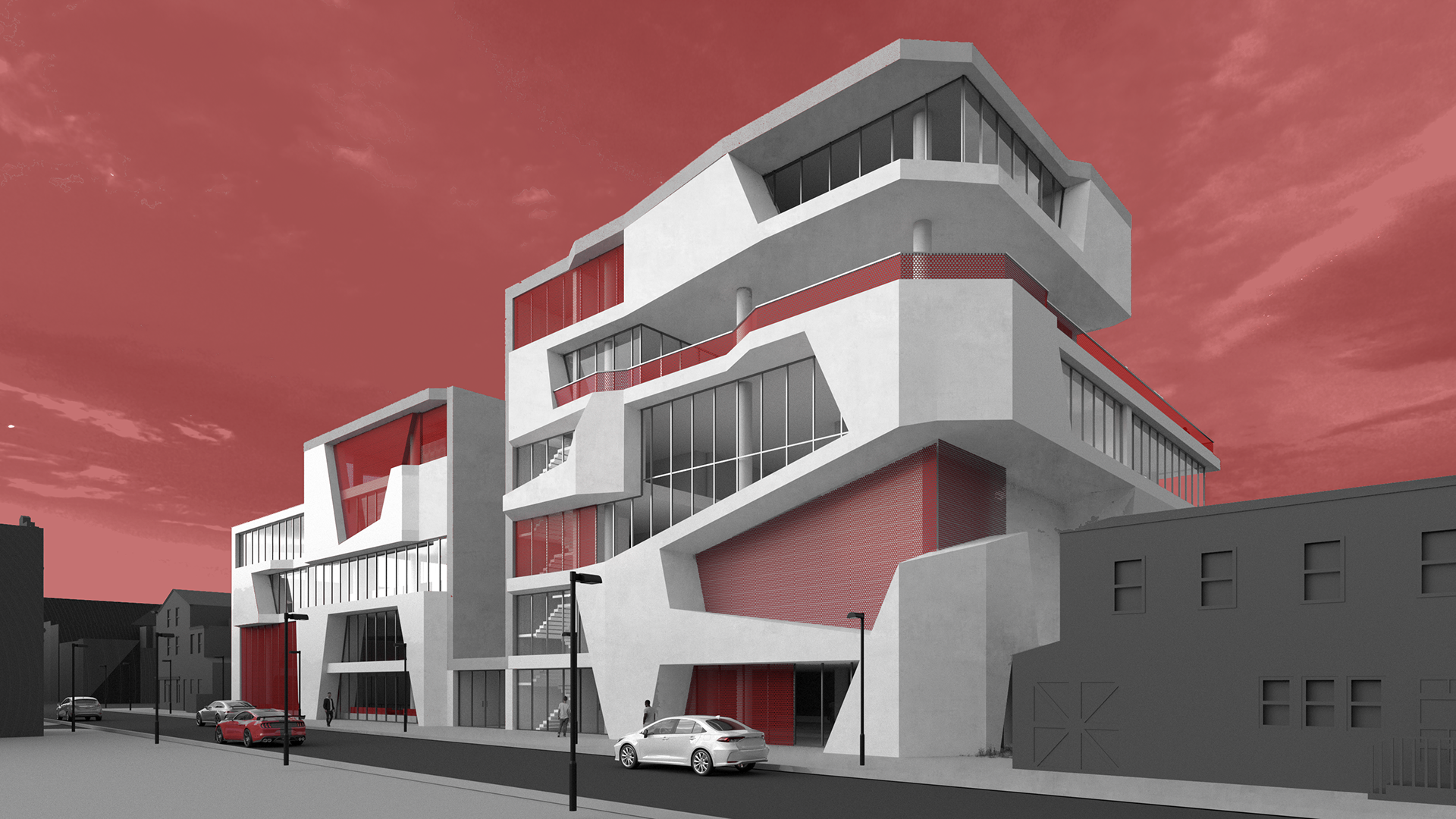
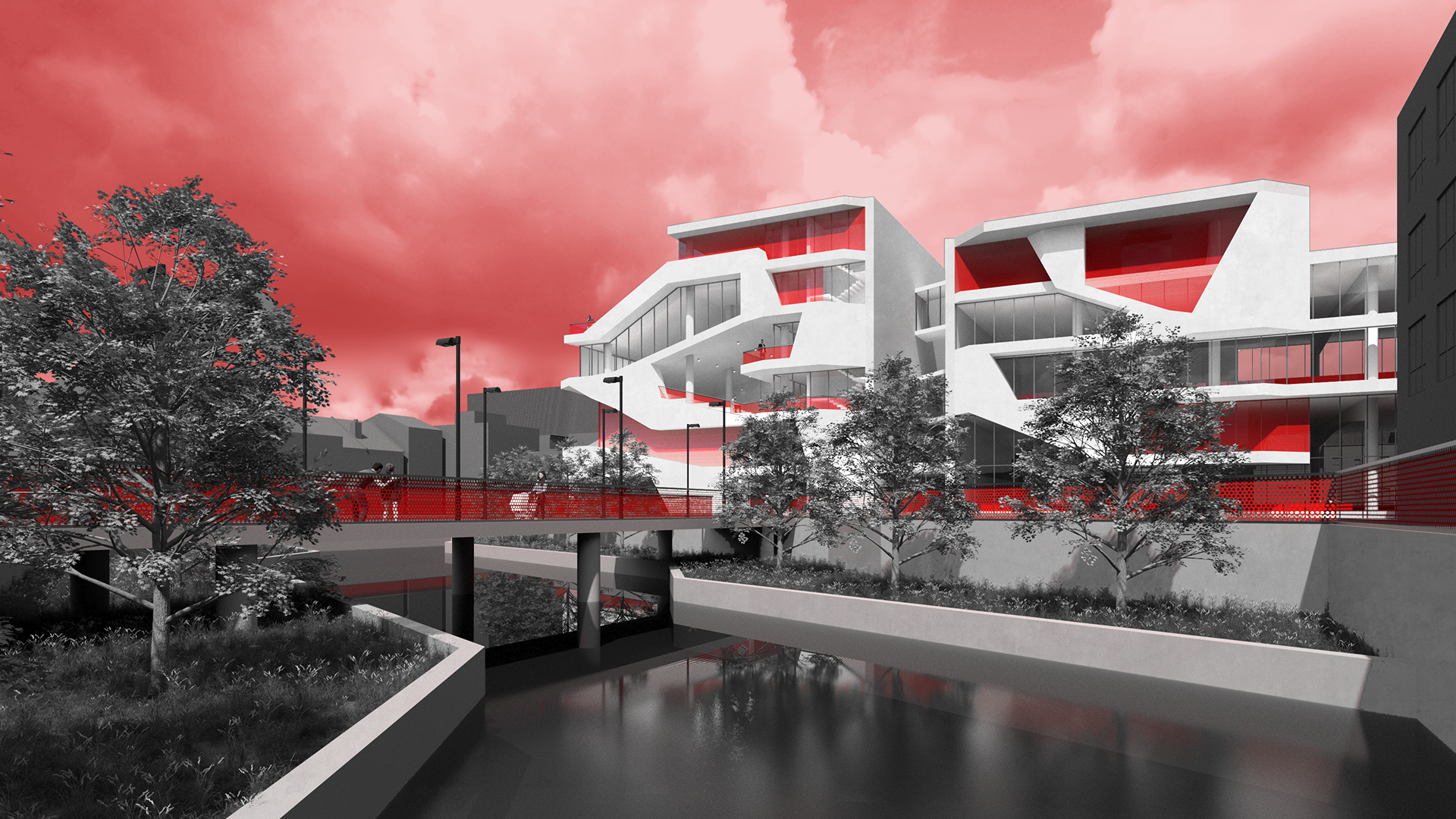
Ascension Sports in Philadelphia, Pennsylvania serves as an vitalizing hub for physical activity and
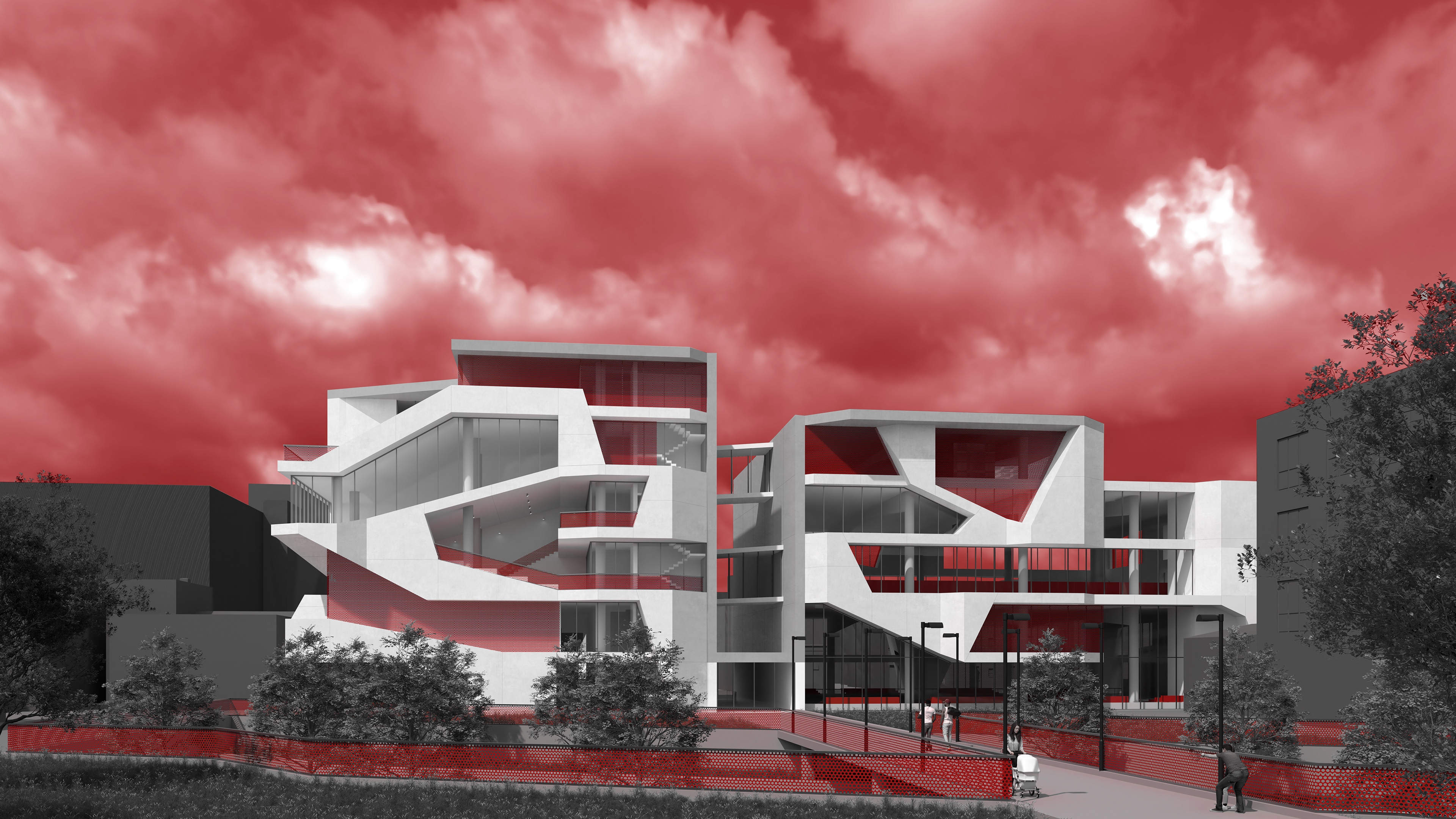
community gathering. Located between two schools in the heart of Fishtown, it will play a pivotal role in promoting the wellness of many children and families. The project explores change of height in both program and facade design. It aims to create unique spatial experiences through sloped floors and strategically placed voids- thus, the name “Ascension.”
community gathering. Located between two schools in the heart of Fishtown, it will play a pivotal role in promoting the wellness of many children and families. The project explores change of height in both program and facade design. It aims to create unique spatial experiences through sloped floors and strategically placed voids- thus, the name “Ascension.”
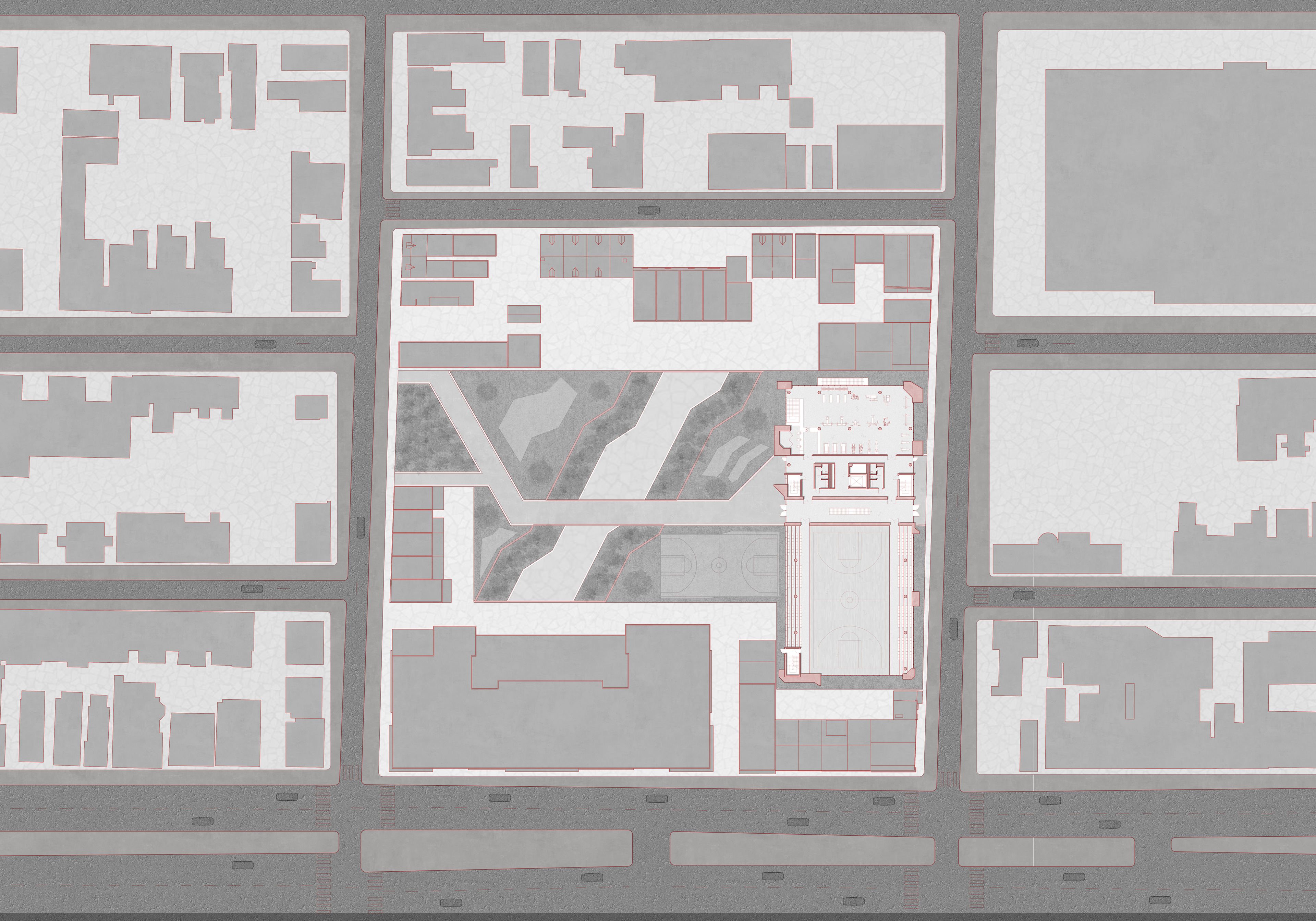
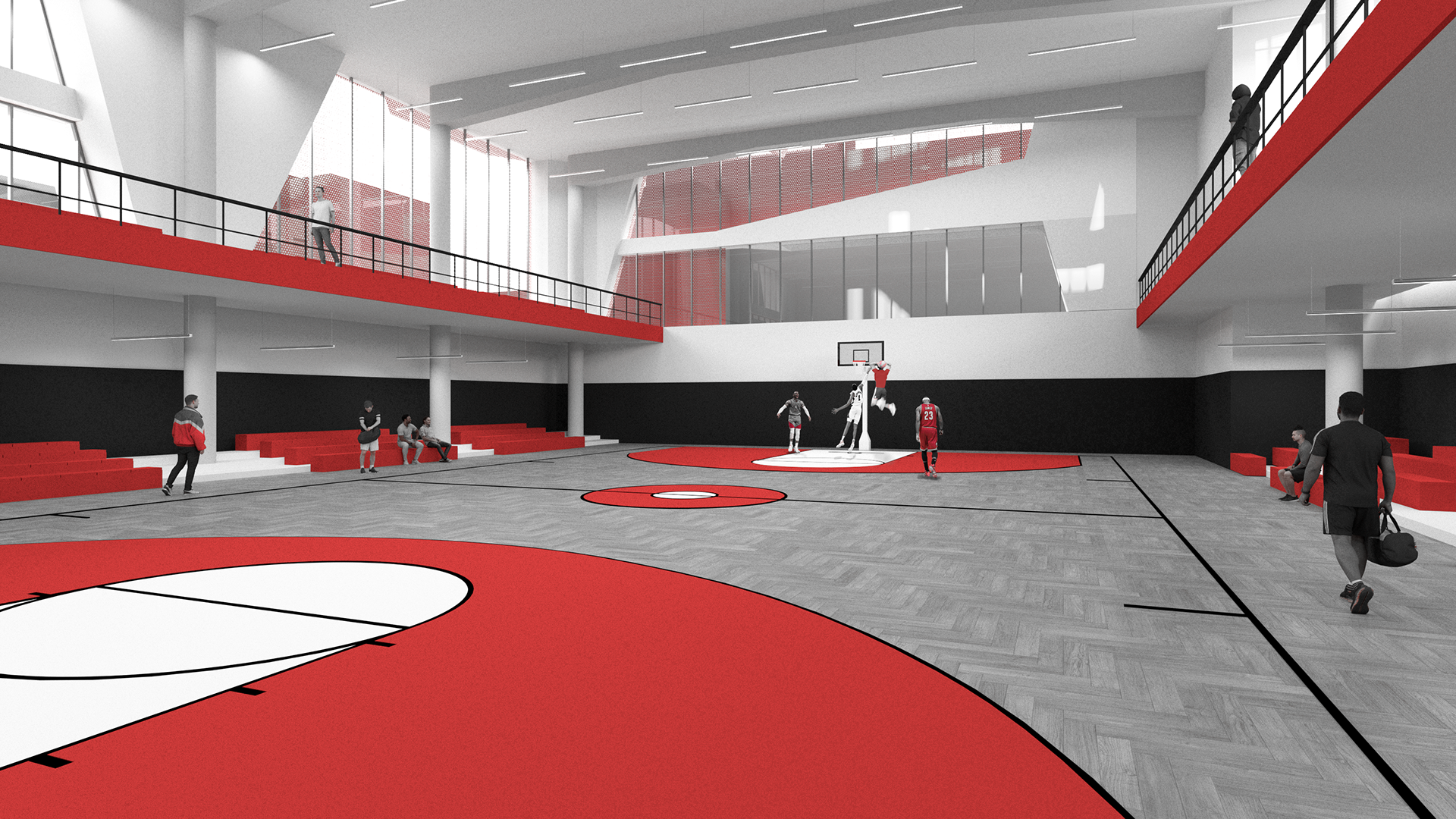
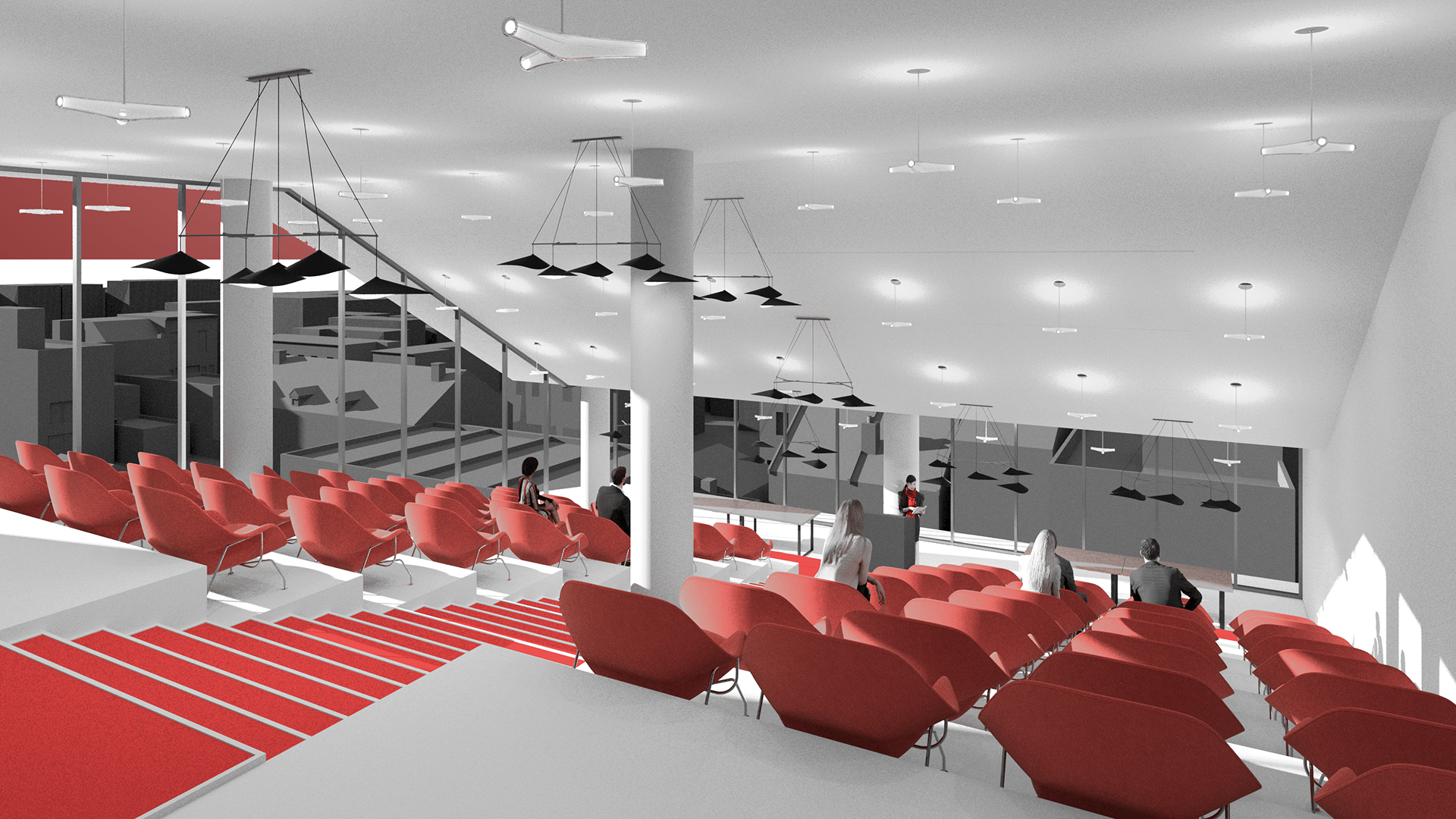
The program is split between two volumes connected on the ground floor, allowing the larger, high-occupancy spaces to function separately than the smaller, more private spaces. The programs of these smaller spaces, including the racquetball courts, multi-purpose auditorium, and staff conference room, all encourage the use of sloped ceilings and floors. These pieces fit together to create a rec center that is meant to be experienced vertically.
Because of Ascension’s minimal imprint, it is possible for a multi-level storm water basin to be included on the site. Water enters the upper level of the basin from the West and is absorbed by native trees and plant life. Excess water trickles down to the lower level, which functions as a typical retention basin. Finally, the water exits through the East side of the site and drains into the nearby Delaware River.
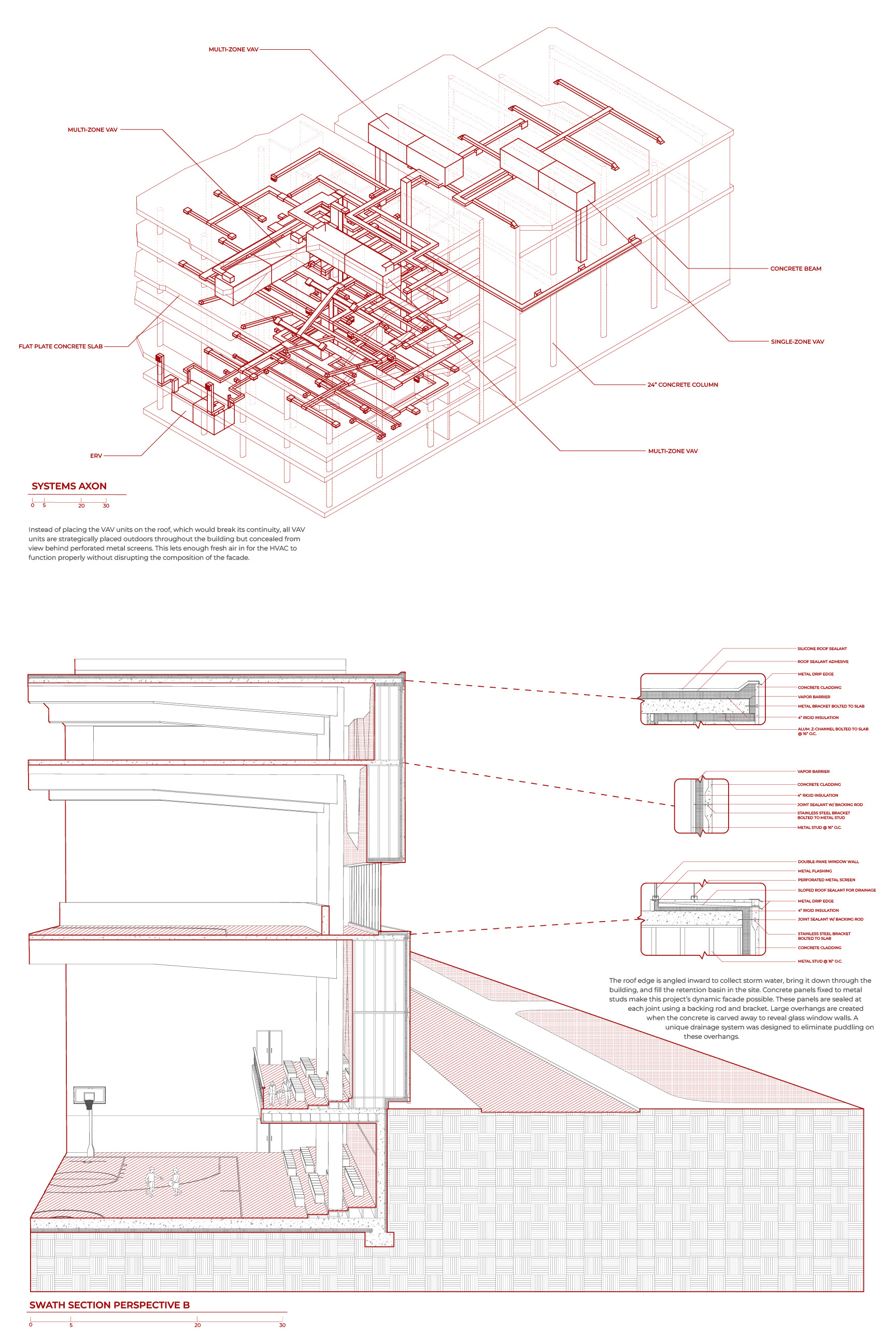
The design integrates a concrete structural system that matches the white-pigmented concrete panels on the building’s exterior. Large concrete columns uphold flat plate concrete floor slabs. Concrete beams span across the ceiling of the basketball arena and roller rink, providing adequate support for the slabs above them.
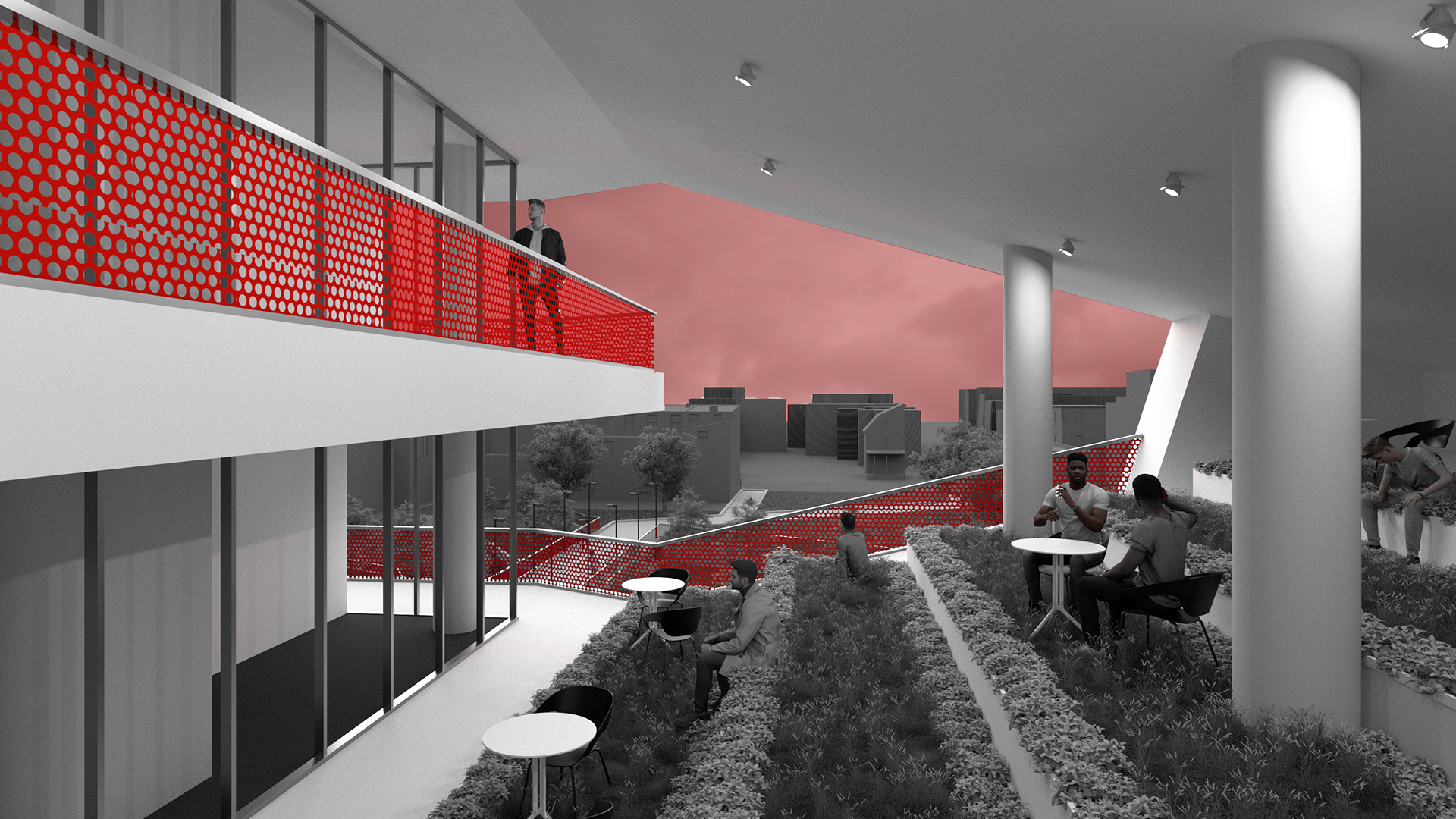
The dynamic facade reacts to the program behind it, creating crisp geometries that, when carved away, reveal the changes of height happening within. The roof of the building wraps around the sides of both buildings and meets in the middle, functioning like a shell, and providing a visual cue for the grand lobby between the two buildings. Expansive glazing provides a continuous visual dialogue between interior and exterior, dissolving boundaries and inviting natural light deep into the structure. This transparency not only enhances the spatial quality but also promotes a sense of openness and community among visitors. The use of red perforated screens injects warmth and vitality into the composition, creating dynamic patterns of light and shadow that shift throughout the day. These screens function both aesthetically and environmentally, offering shading and privacy.
SEMESTER VII
Professor: Adam Yaracs
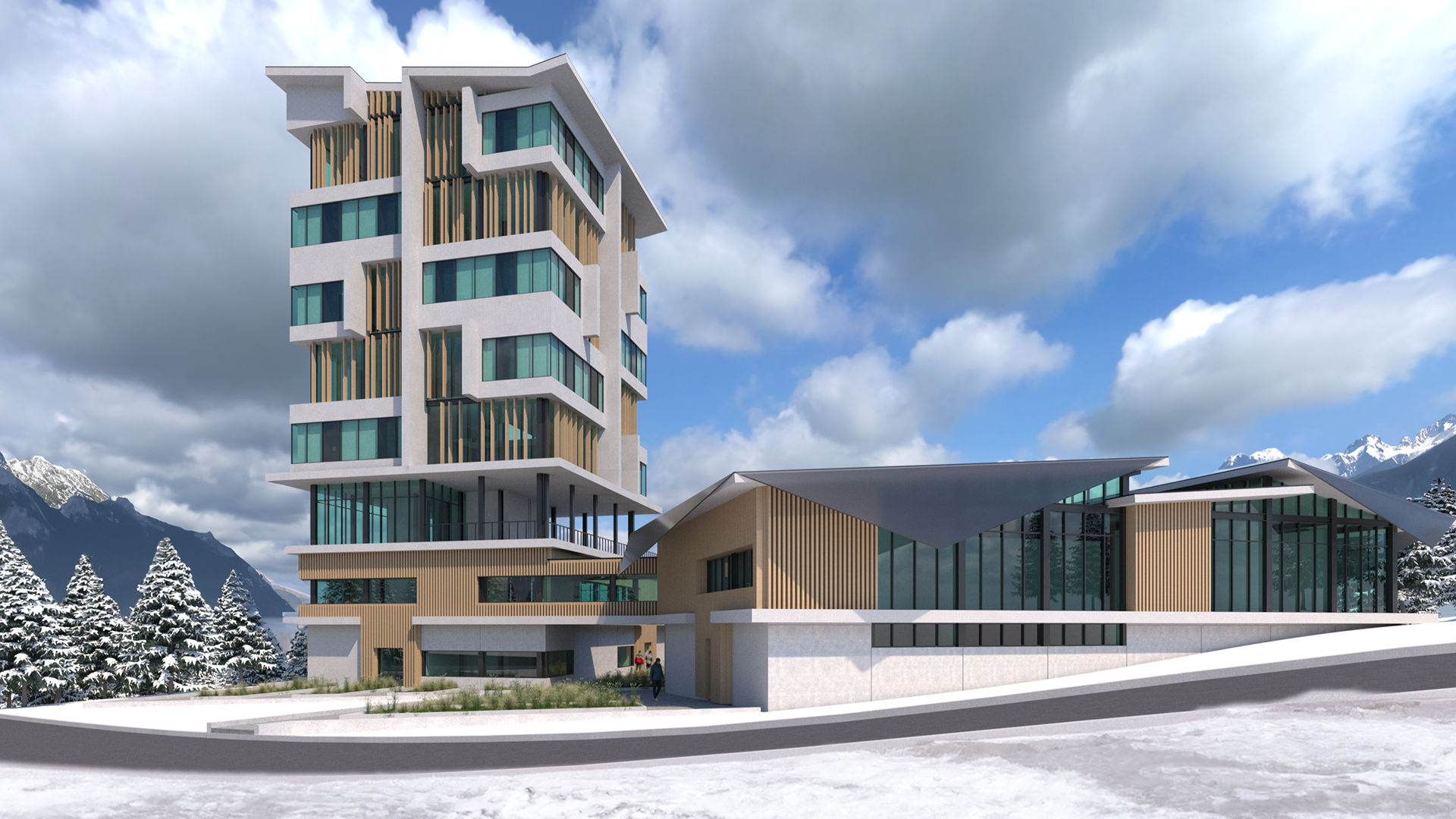
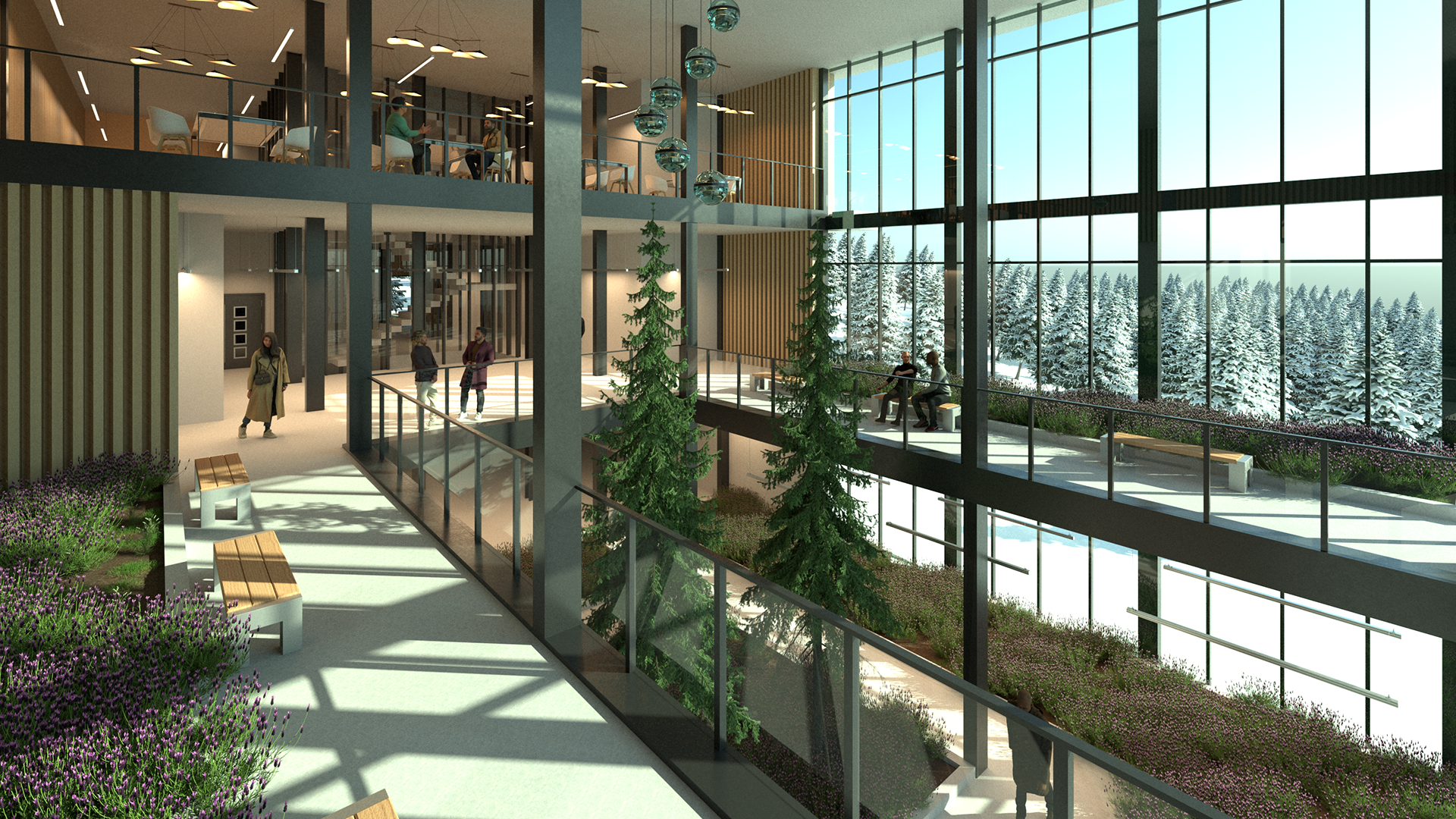
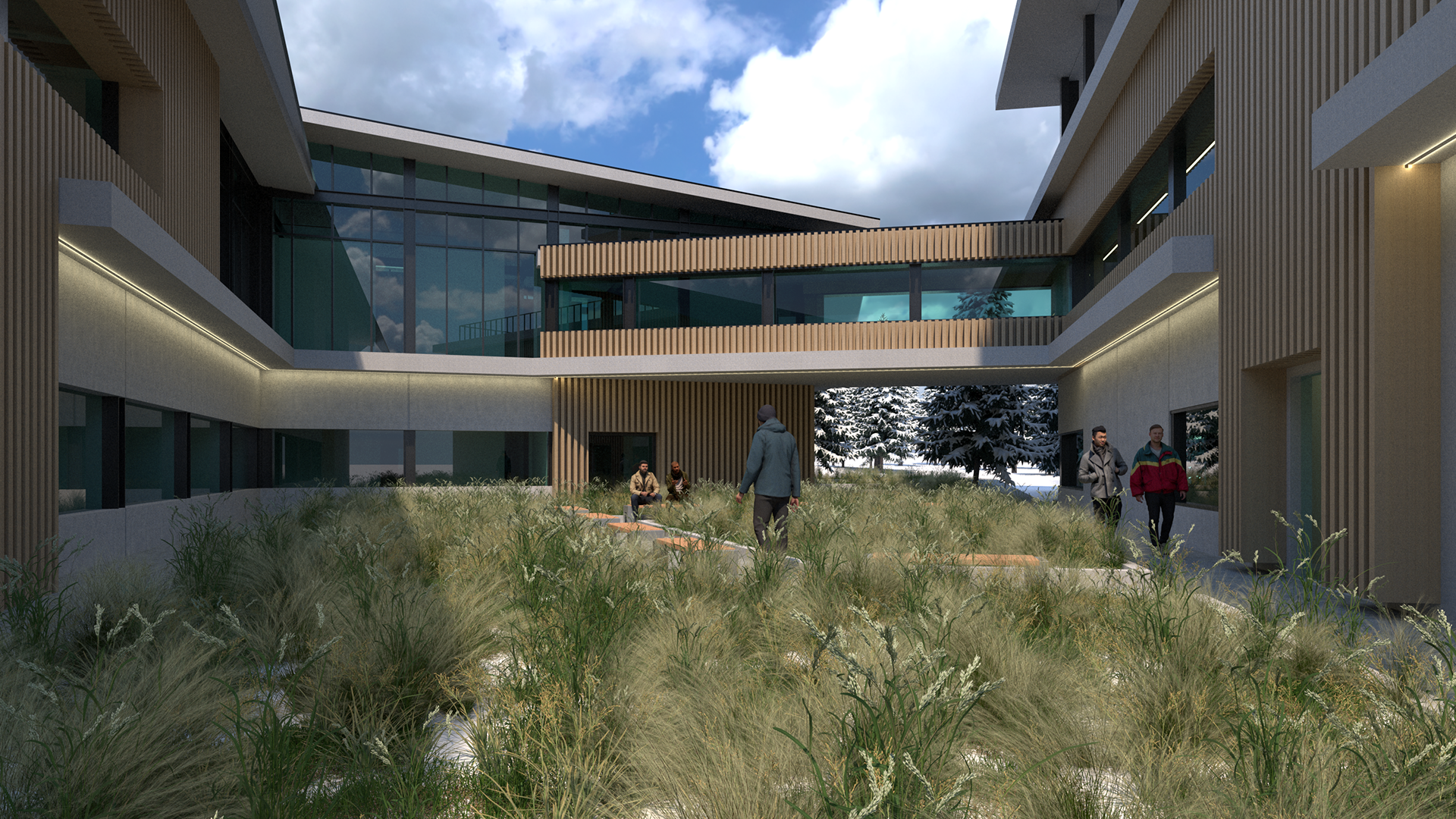
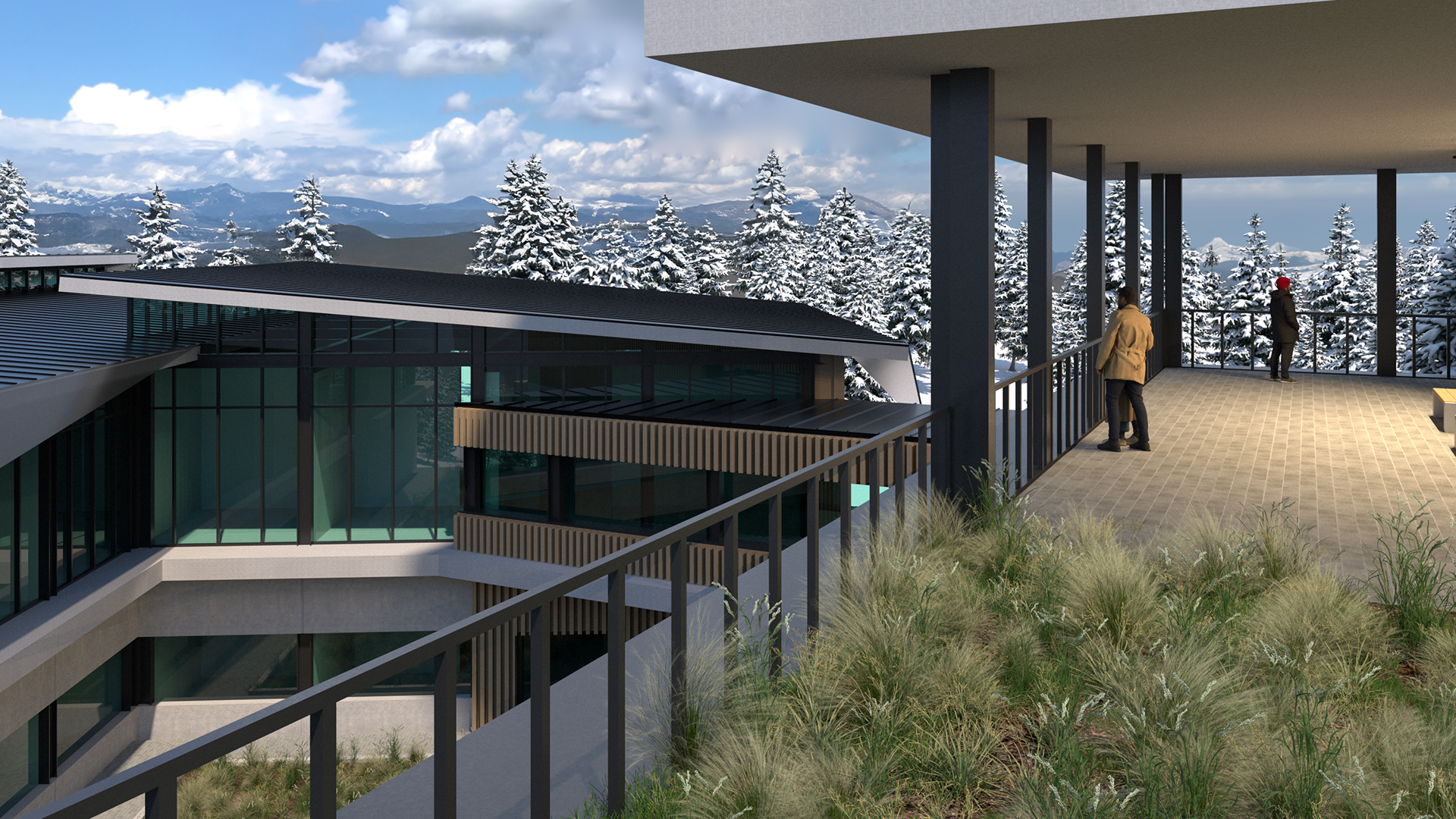
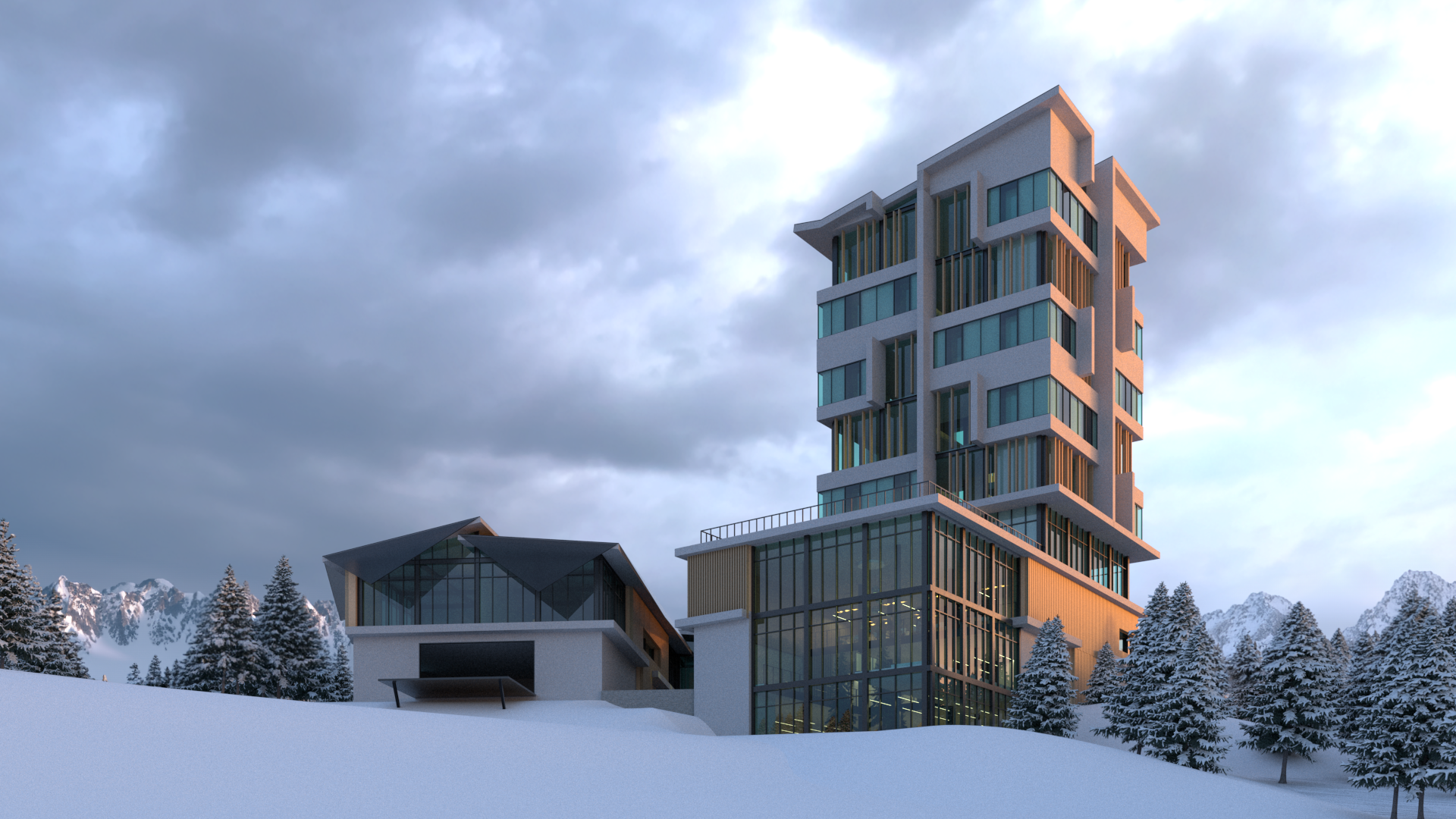
Zenith Ecological Climate Research Center is focused on studying temperature
fluctuations, precipitation trends, and seasonal variations that affect native flora. The
project takes a vertical approach to its site in Denali National Park, Alaska. Zenith
features two buildings connected by a skybridge. The residential tower offers majestic
views and a multi-story indoor garden that kills any feelings of cabin fever. The
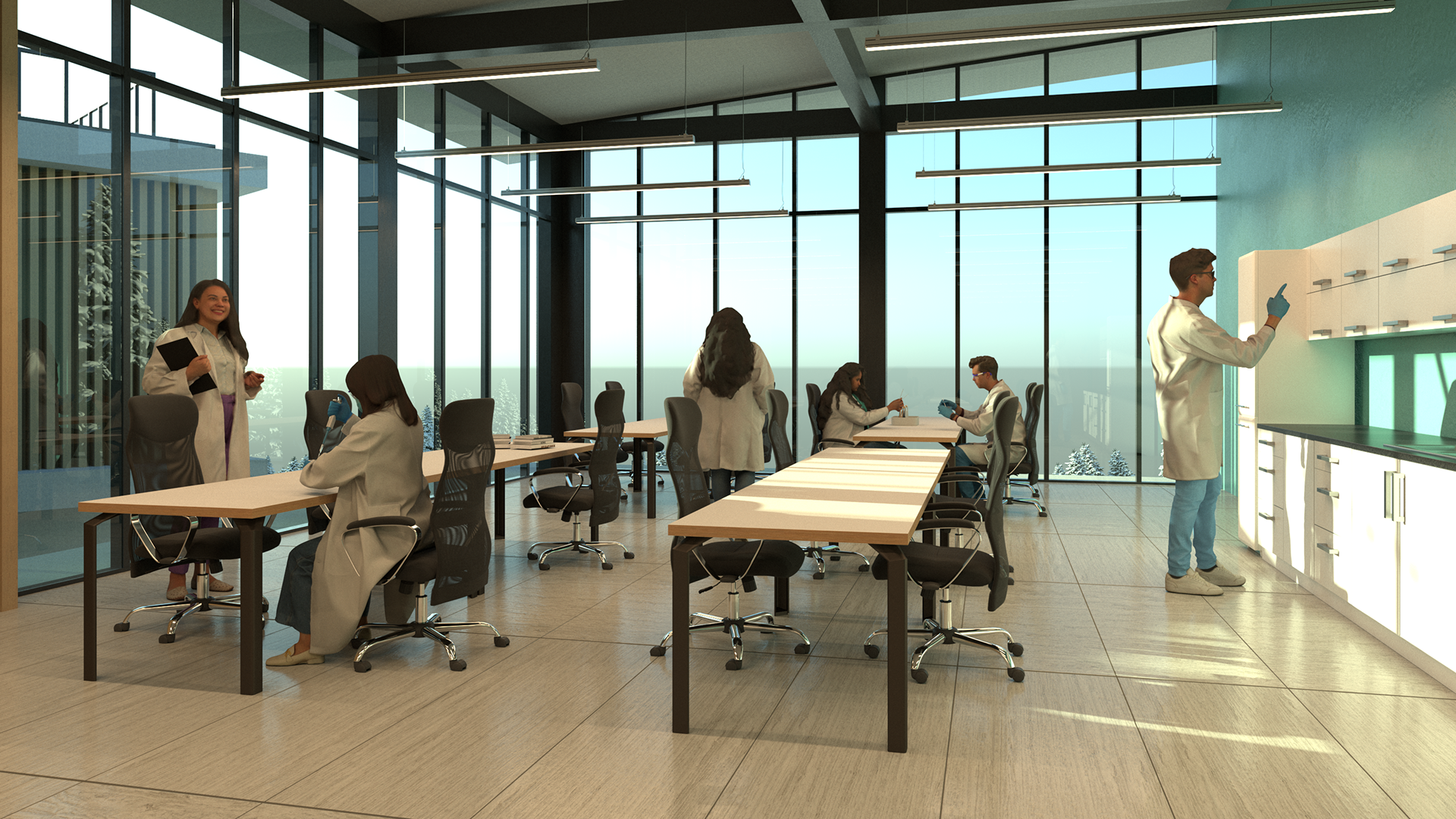
research facility has easily adaptable spaces that can change based on need. Both
buildings use multiple sustainable design techniques to maximize energy efficiency.
Zenith’s tower incorporates trombe walls and vertical shading devices that shift
around the facade. Its interior is also constructed entirely out of prefabricated
modules that are put together on site.
fluctuations, precipitation trends, and seasonal variations that affect native flora. The
project takes a vertical approach to its site in Denali National Park, Alaska. Zenith
features two buildings connected by a skybridge. The residential tower offers majestic
views and a multi-story indoor garden that kills any feelings of cabin fever. The
research facility has easily adaptable spaces that can change based on need. Both
buildings use multiple sustainable design techniques to maximize energy efficiency.
Zenith’s tower incorporates trombe walls and vertical shading devices that shift
around the facade. Its interior is also constructed entirely out of prefabricated
modules that are put together on site.
SEMESTER VI
Professor: Alberto Francini
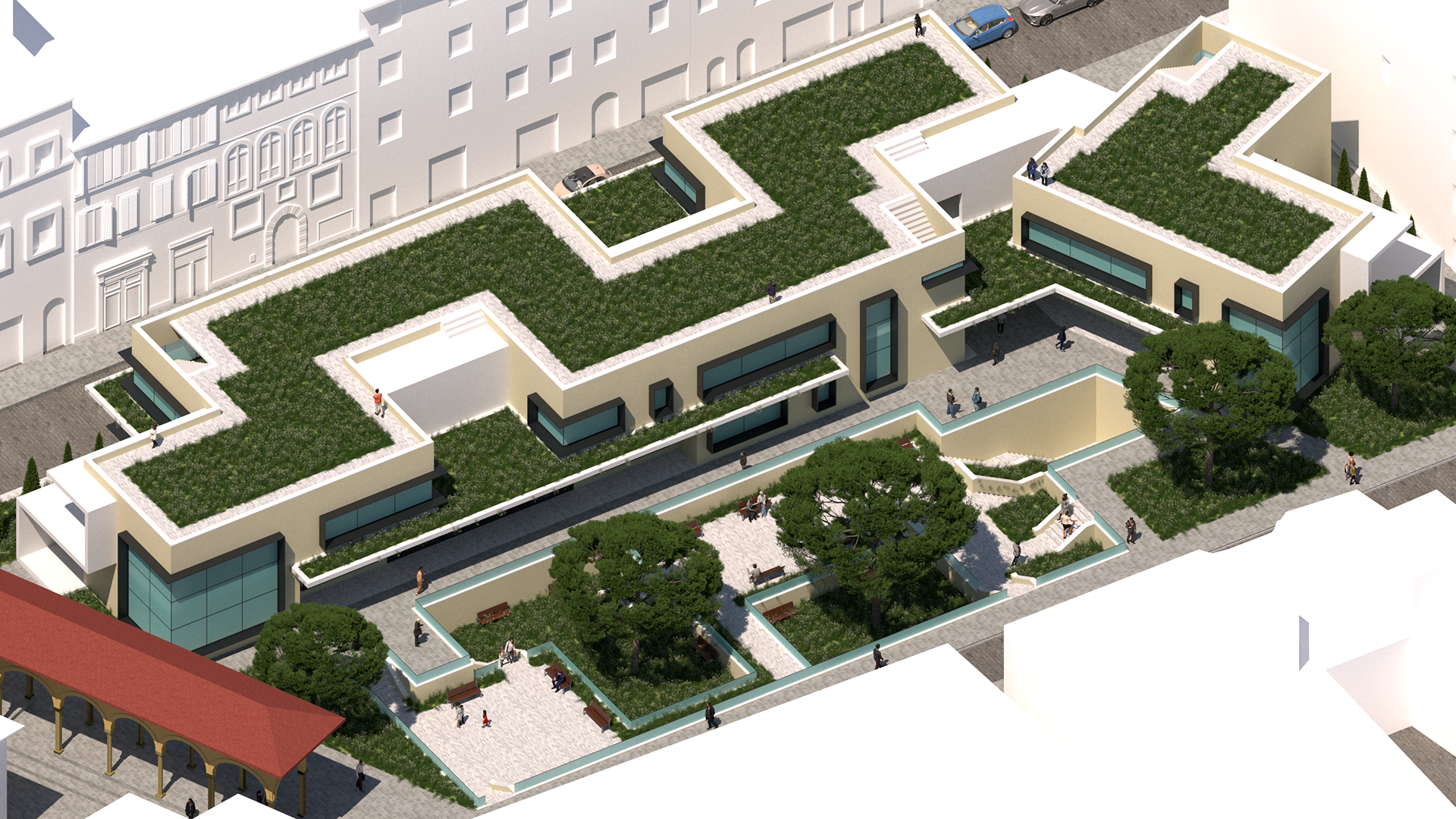
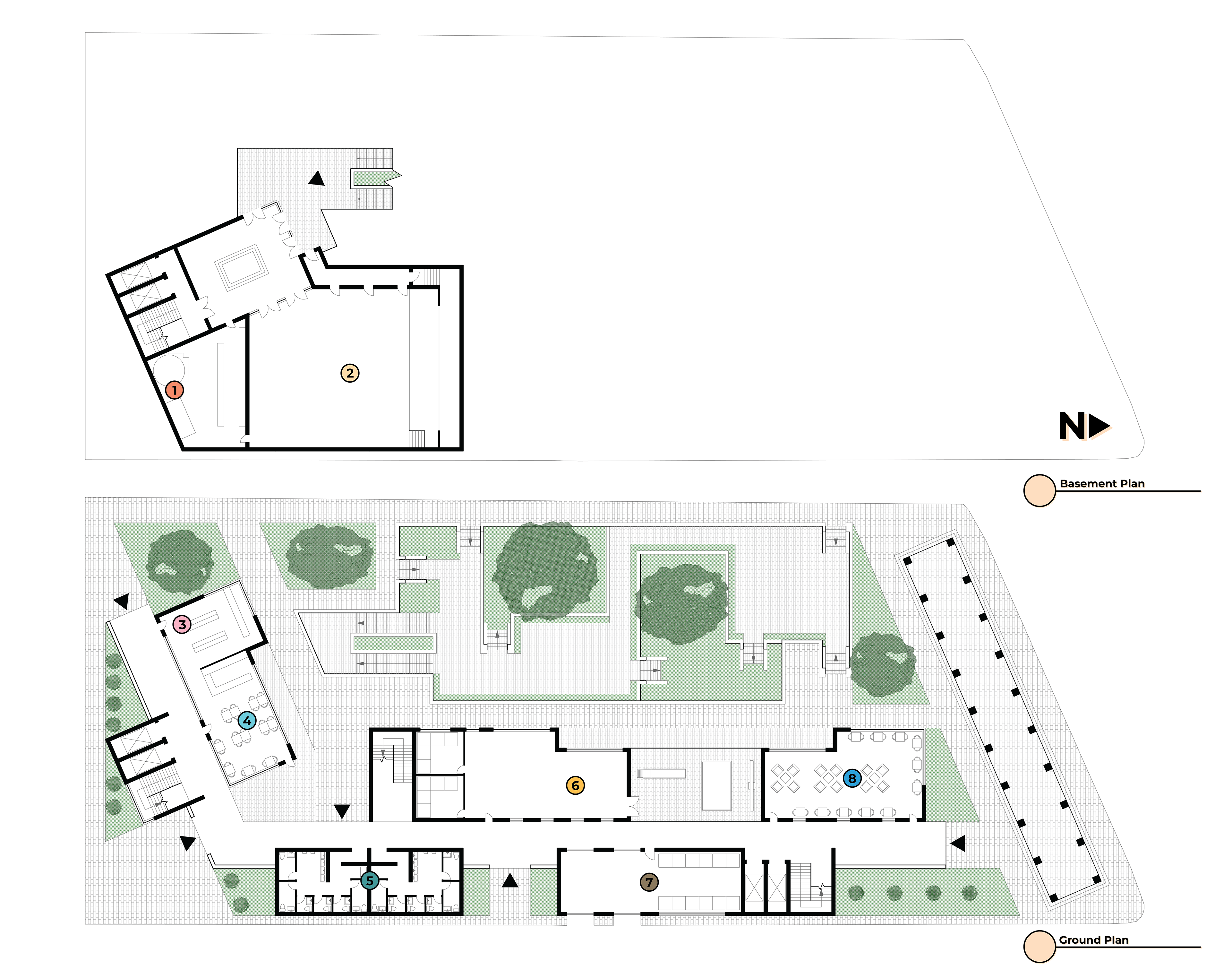
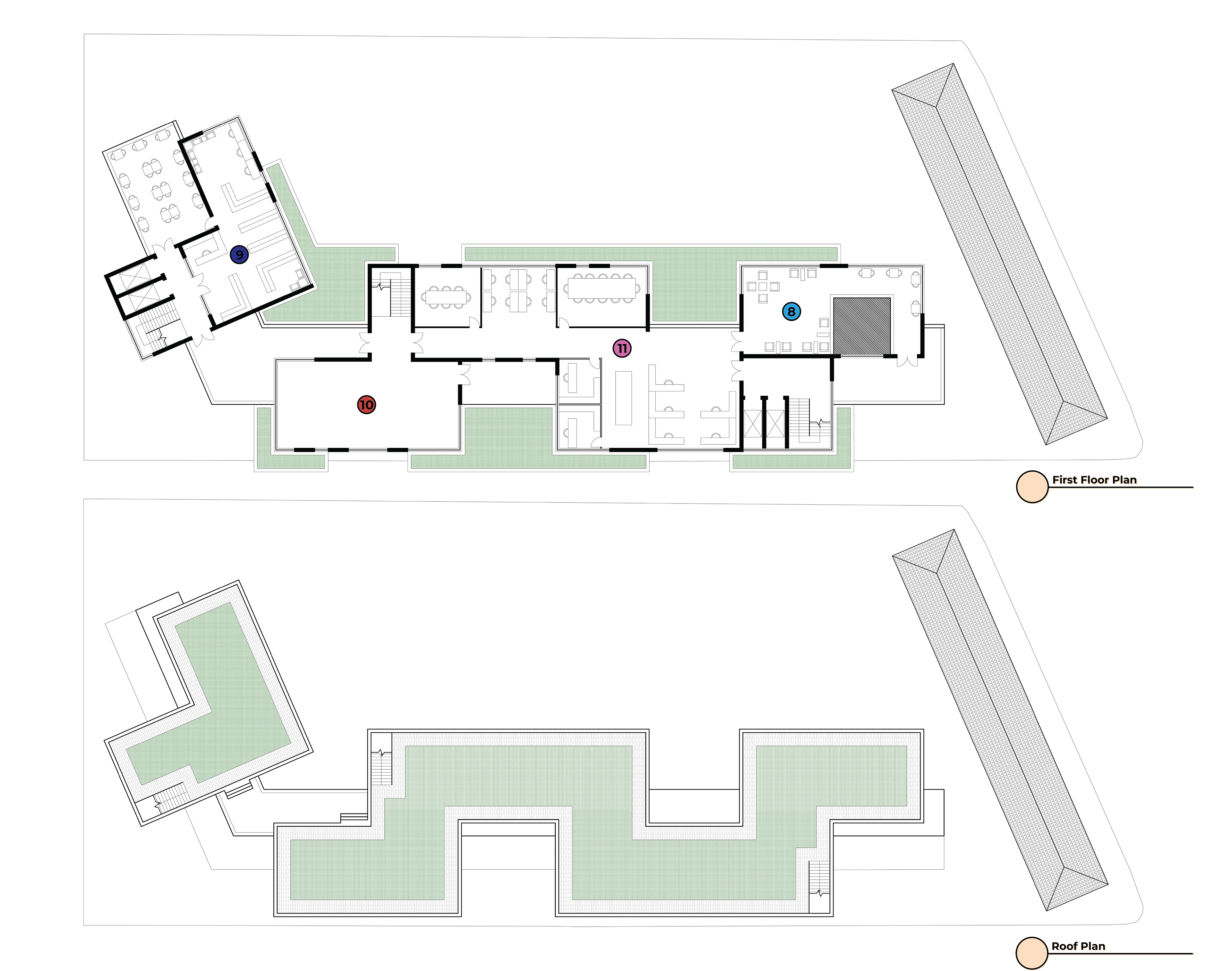
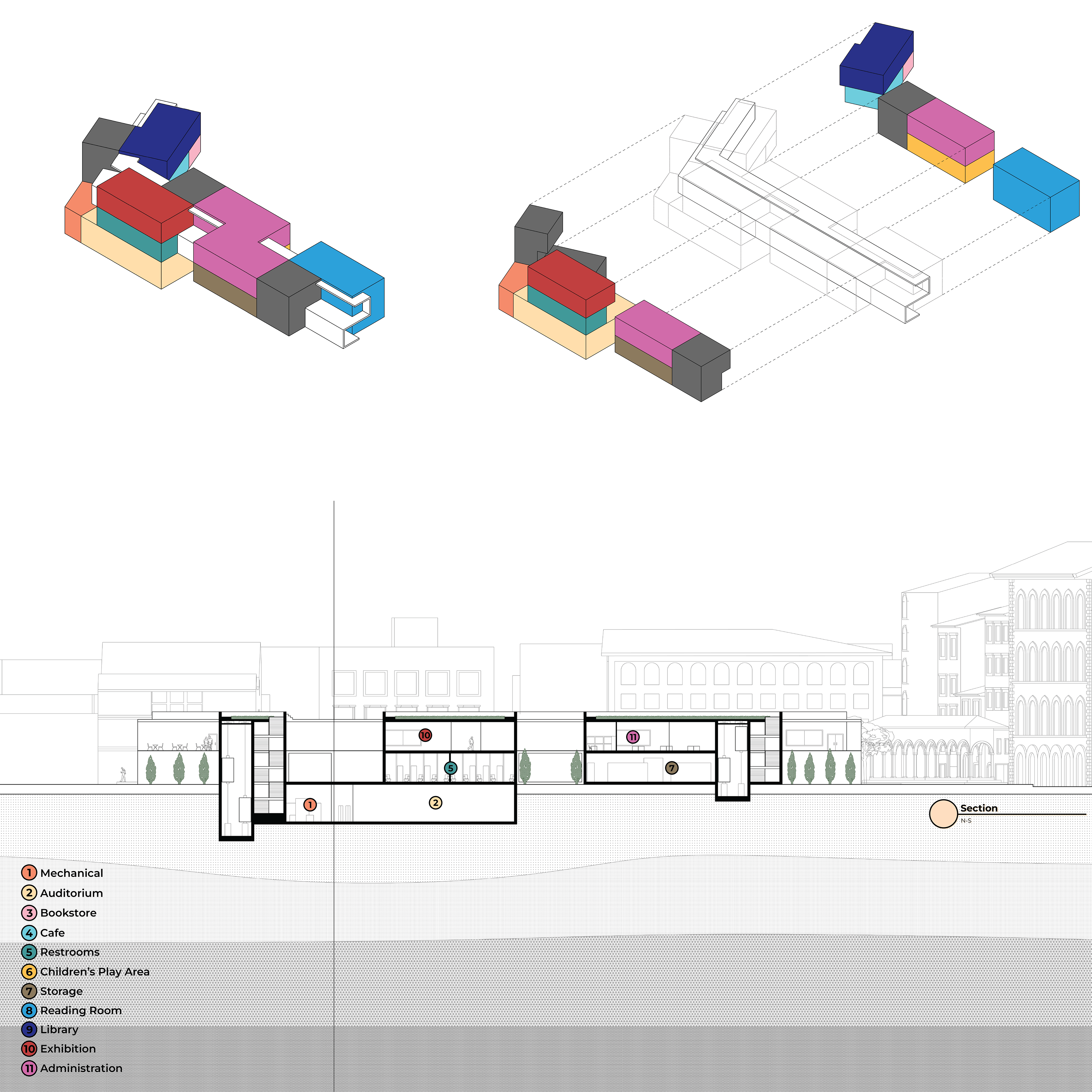
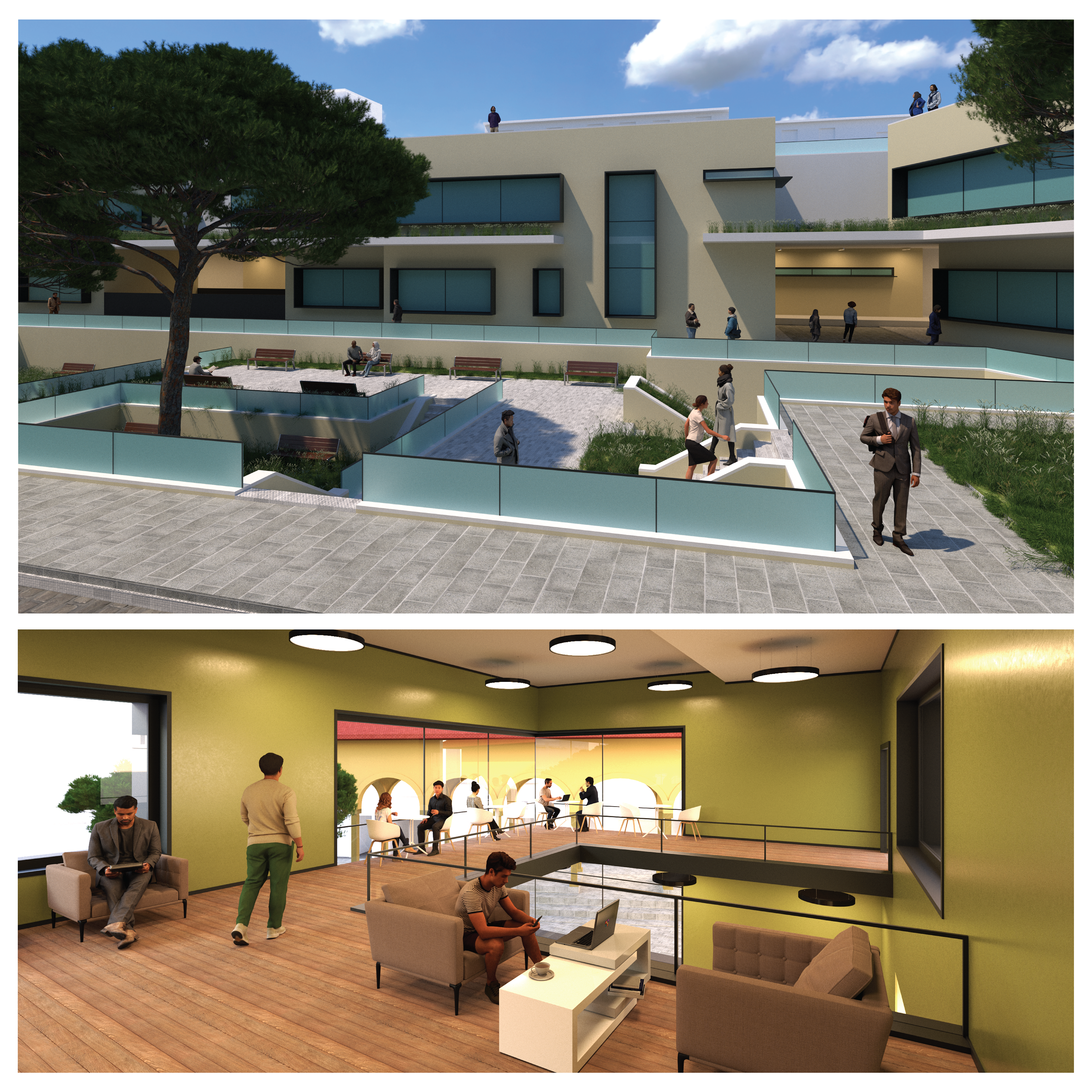
Community Center
SEMESTER V
Professor: Brendan Ho
PROJECT ONE: 1 Acre
My goal was to create a system for grain harvesting, processing, and storage on a one-acre plot. The first thing we did in the studio was digitally model ceramics. I chose ceramics done by Marieke Pauwels.
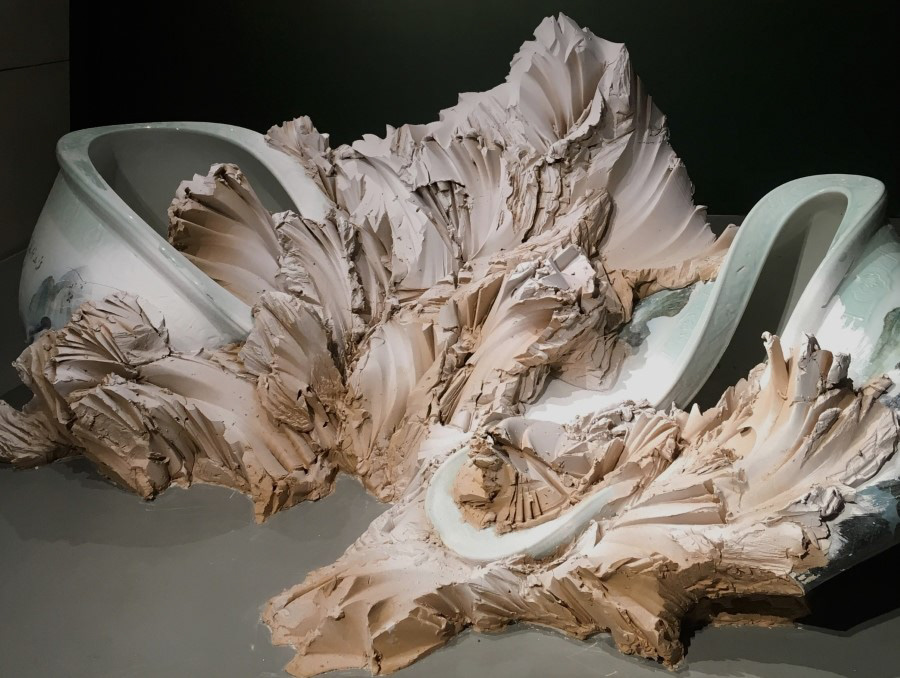
Then, I used elements of his work to create a system for grain harvesting, processing, and storage on a one-acre plot.
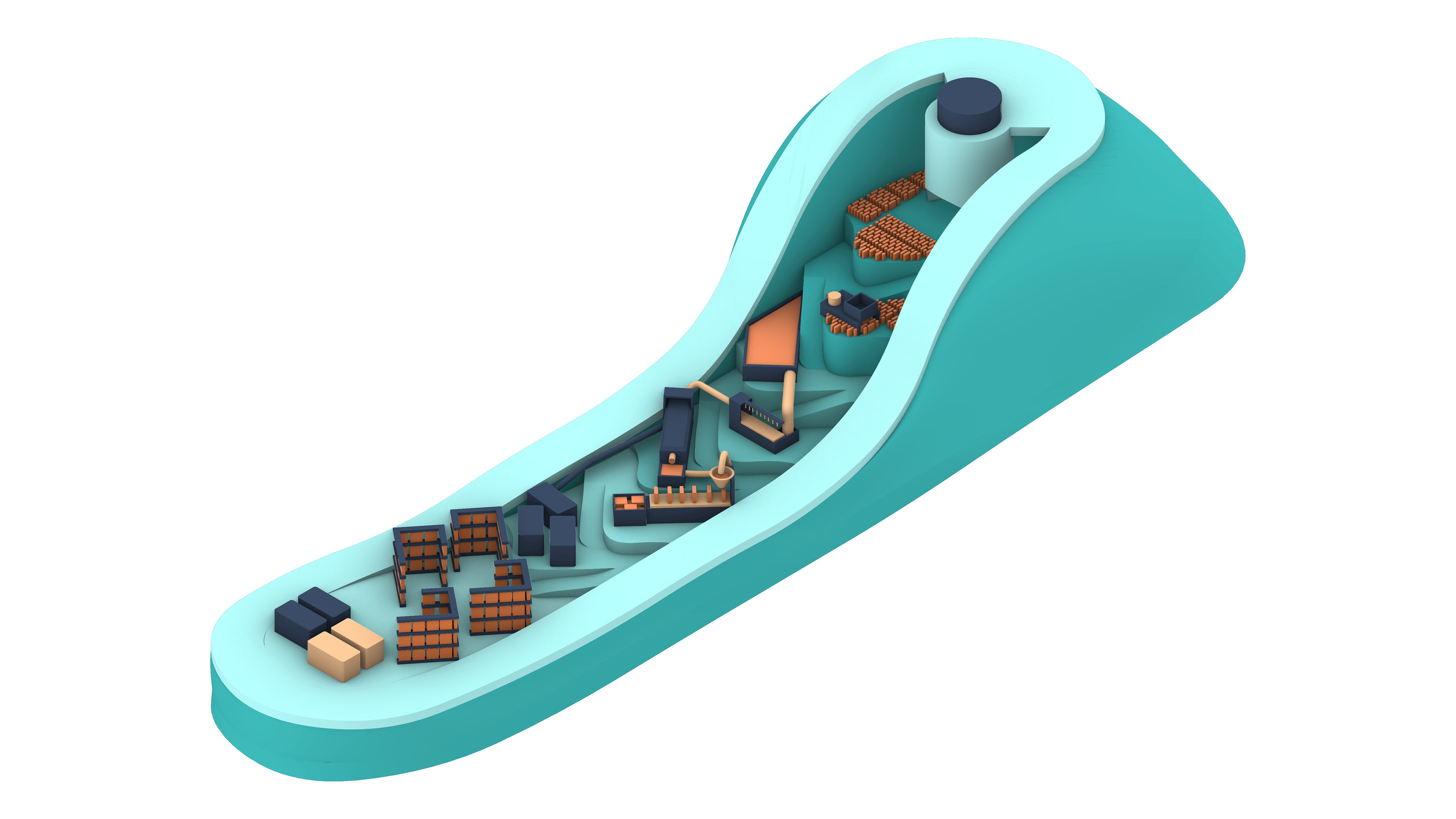
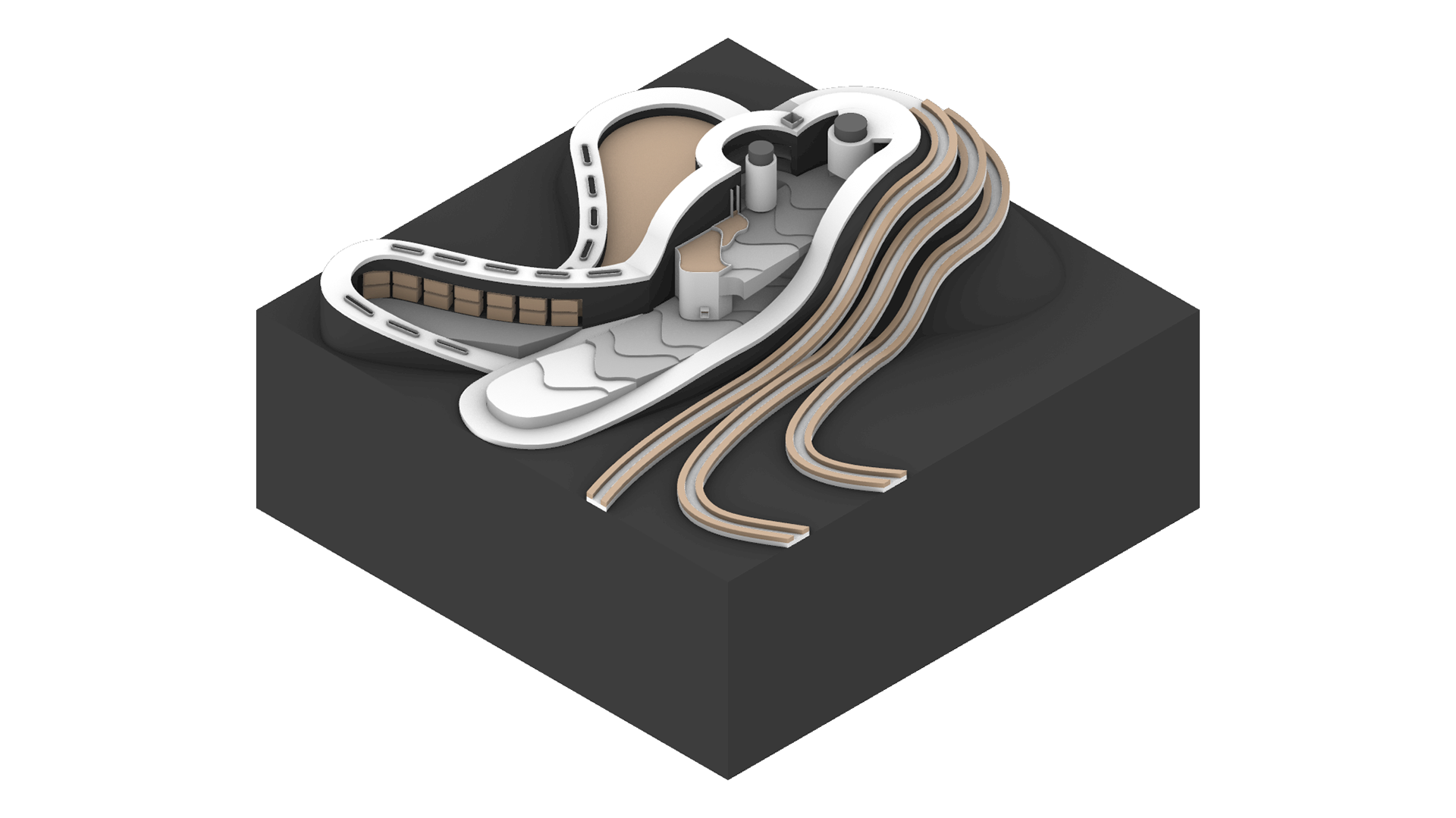
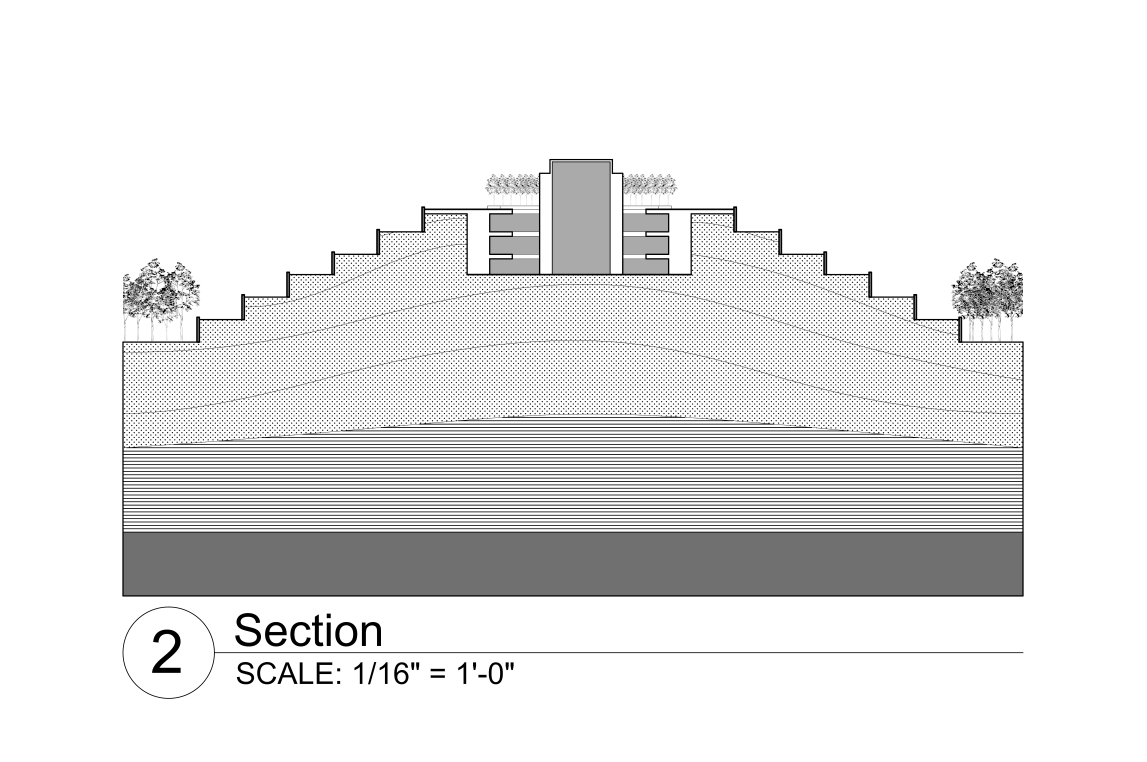
Through developing the one-acre plot, I discovered that my project design was about walls and superimposition. After developing this narrative, I made my final acre plot:
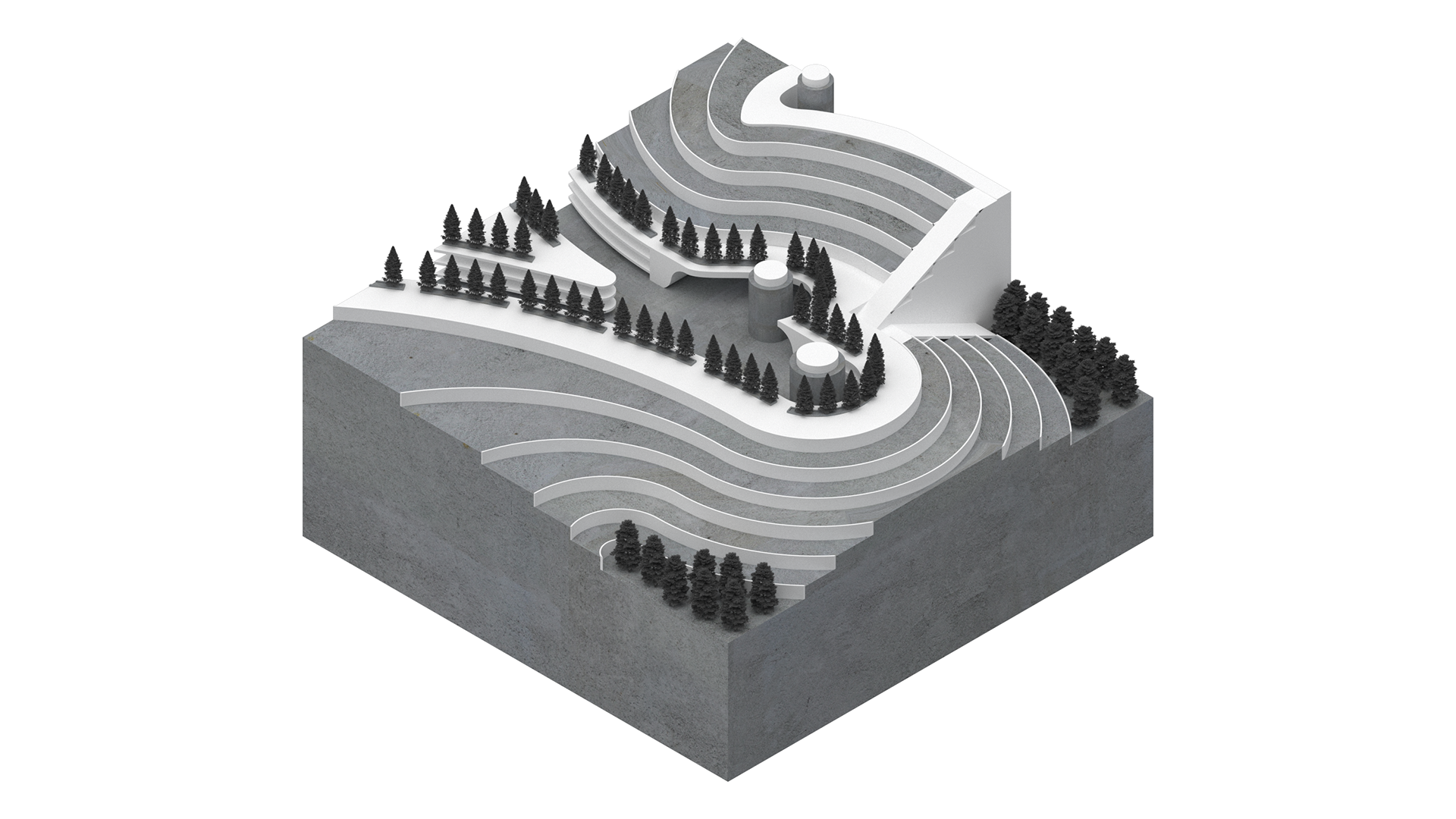
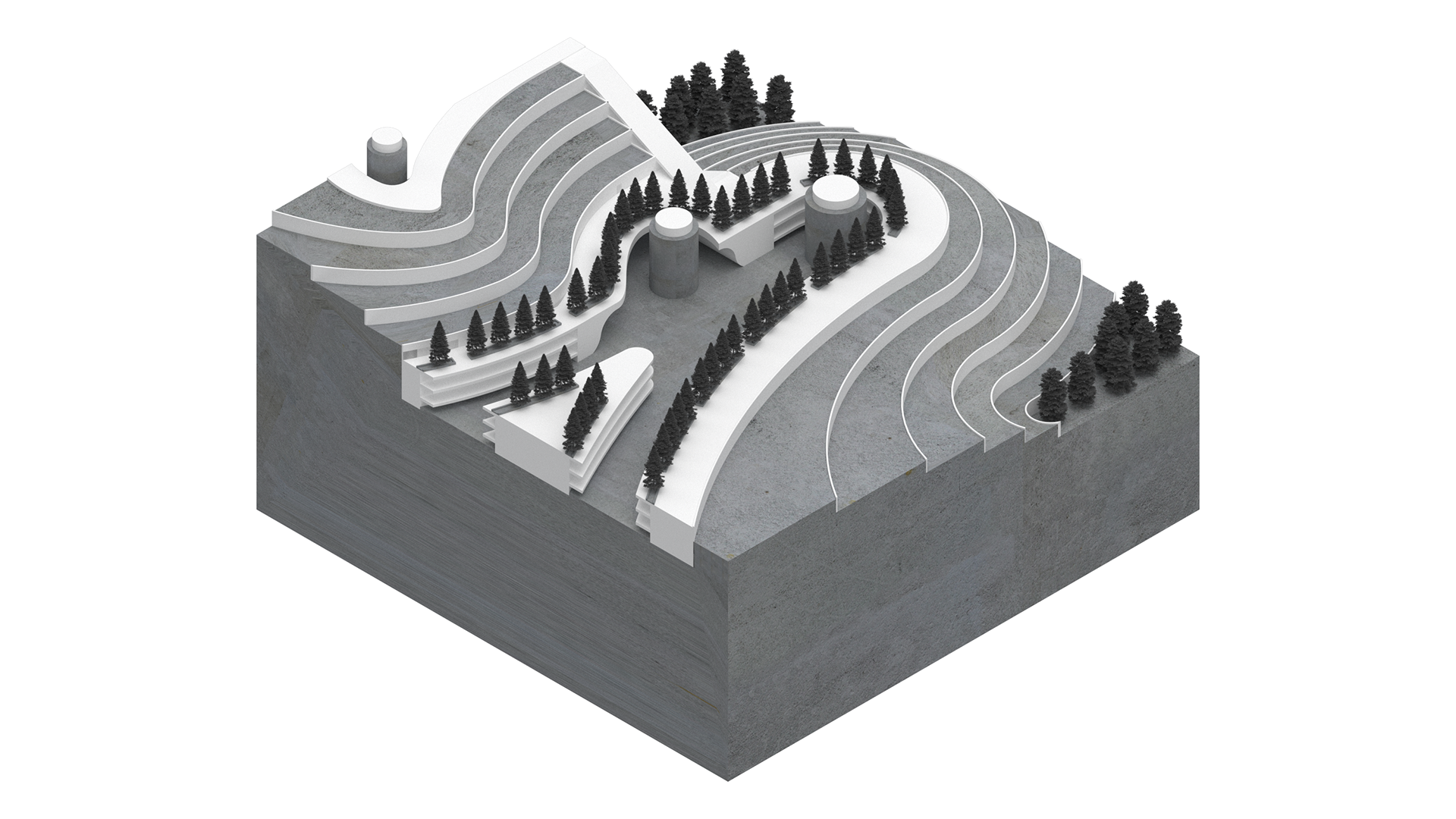
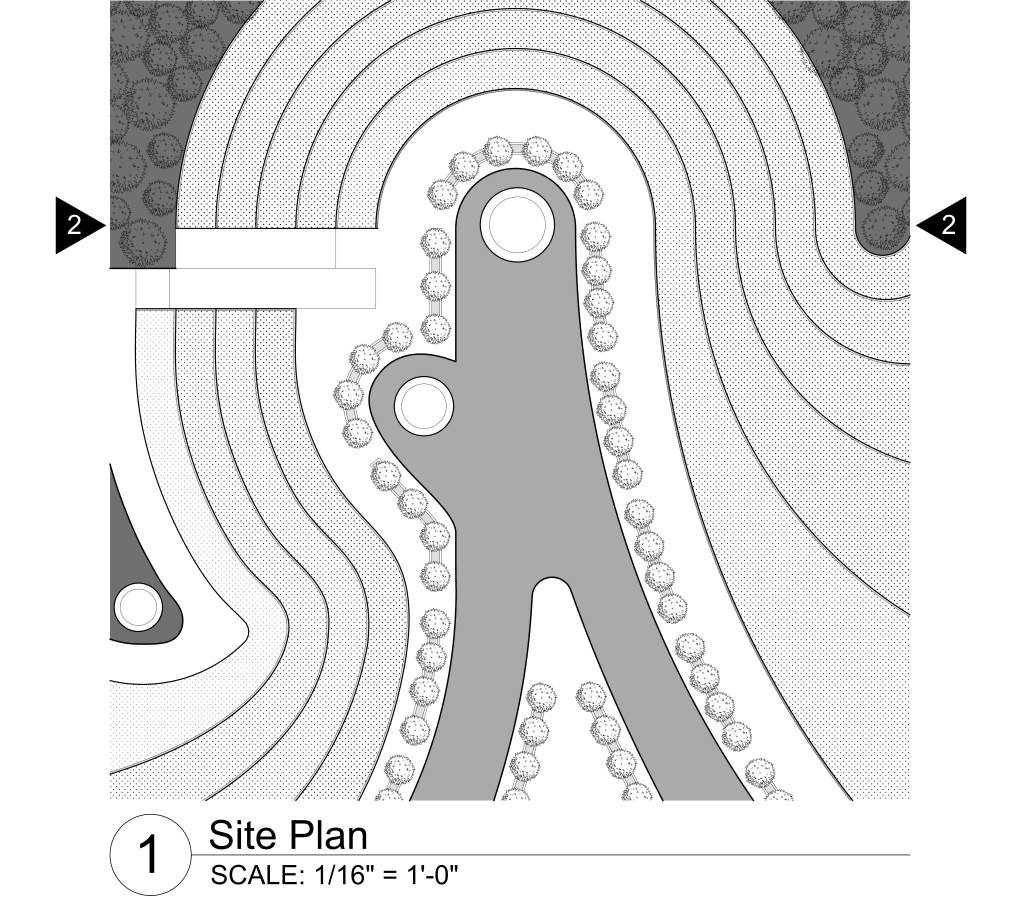
PROJECT TWO: Food Hub Development
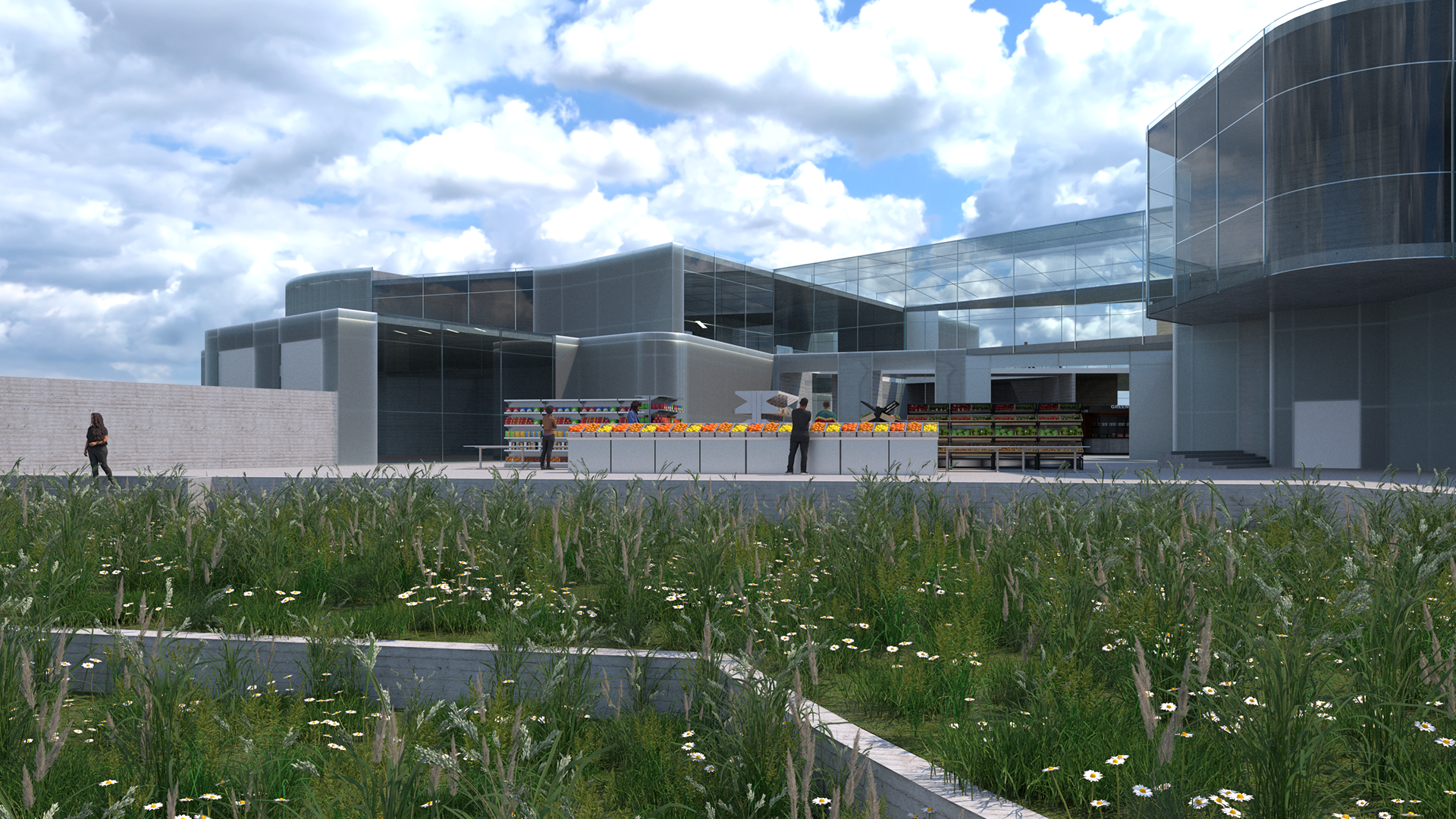
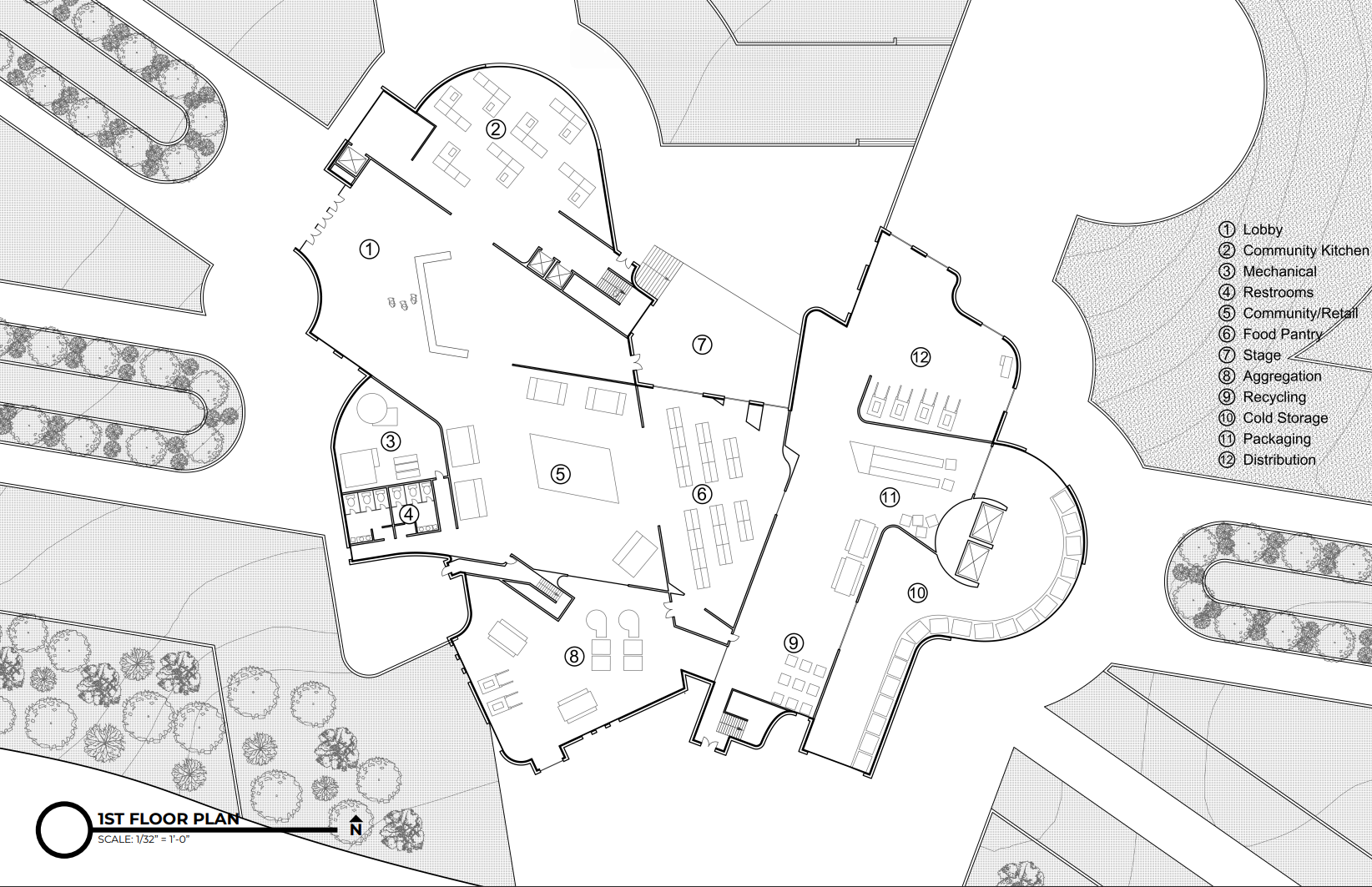
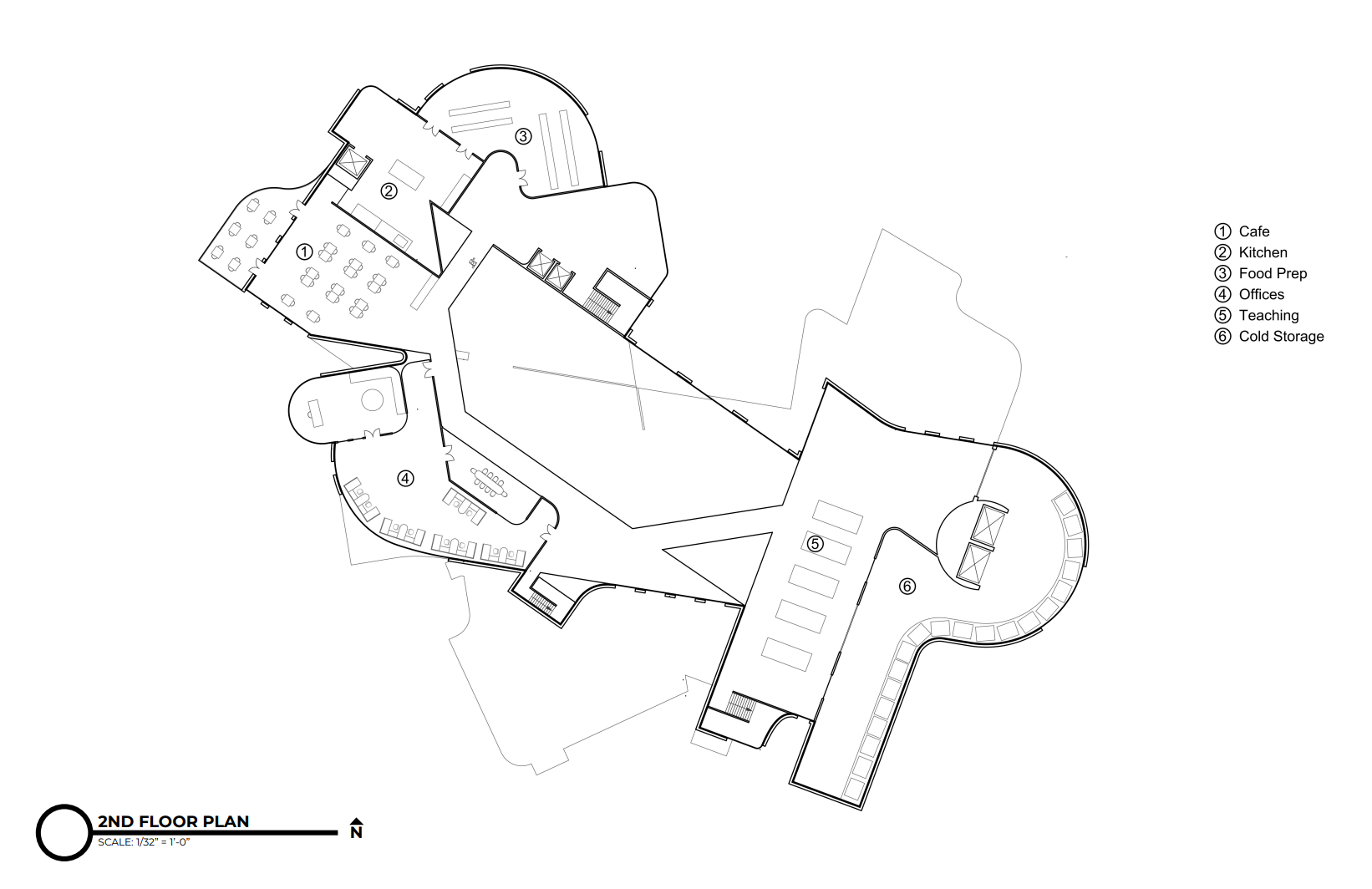
This project explores the possibilities of superimposition in architecture. Superimposition is layering different things in a way that both are still evident. Four tubes intersect each other to divide the building. Programs protrude out when necessary, and then snap back. These tubes continue to the edges of the site, informing the site design. Retaining walls superimpose into layers holding site programs. When programs superimpose into each other, it is because they share a relationship. Public spaces are in the center, and private spaces are embedded into walls, allowing for easy circulation.
The facade is made of a two-layer glass system to make the skeleton of the building visible from the outside. The inner layer is paneled glass, and the outer layer is frosted polycarbonate panels. There are areas where the outer layer breaks, and you are allowed a clear view inside.
This food hub was designed to connect with nearby communities of Chicago. Because of its location on the upper southside of the city, Chinatown, Dearborn, and the lower northside can easily access it.
SEMESTER IV
Professor: Gregory Stroh
PROJECT ONE: Façade Design
SEMESTER II
Professor: Thom Stauffer
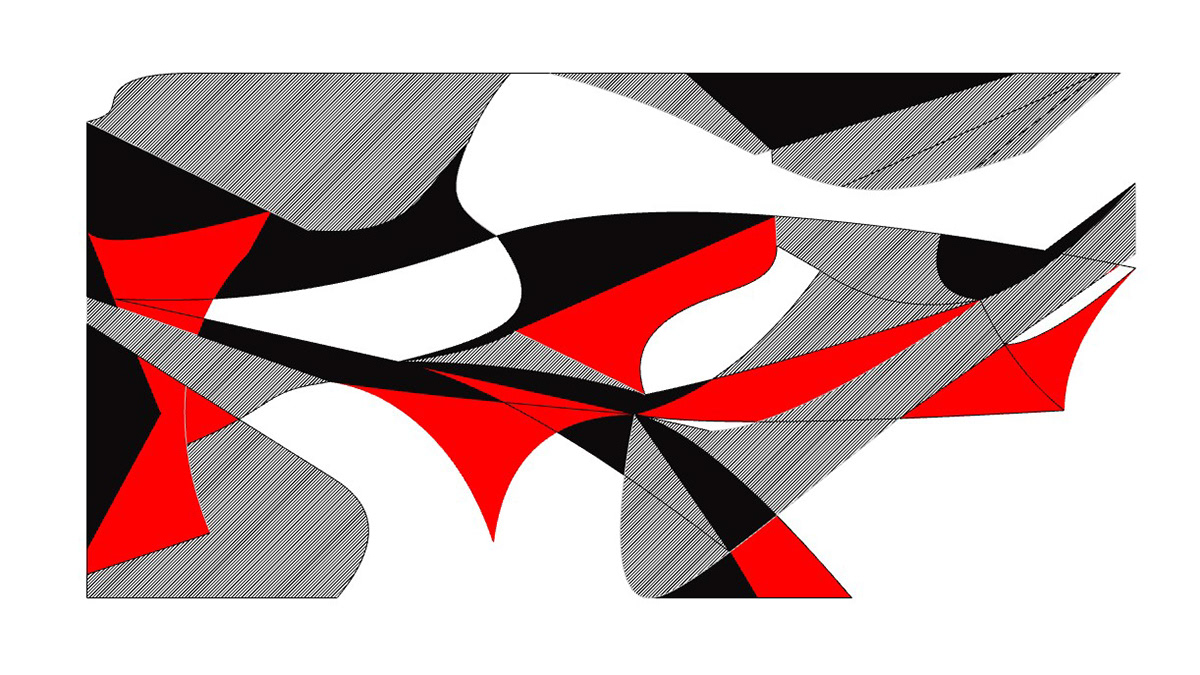
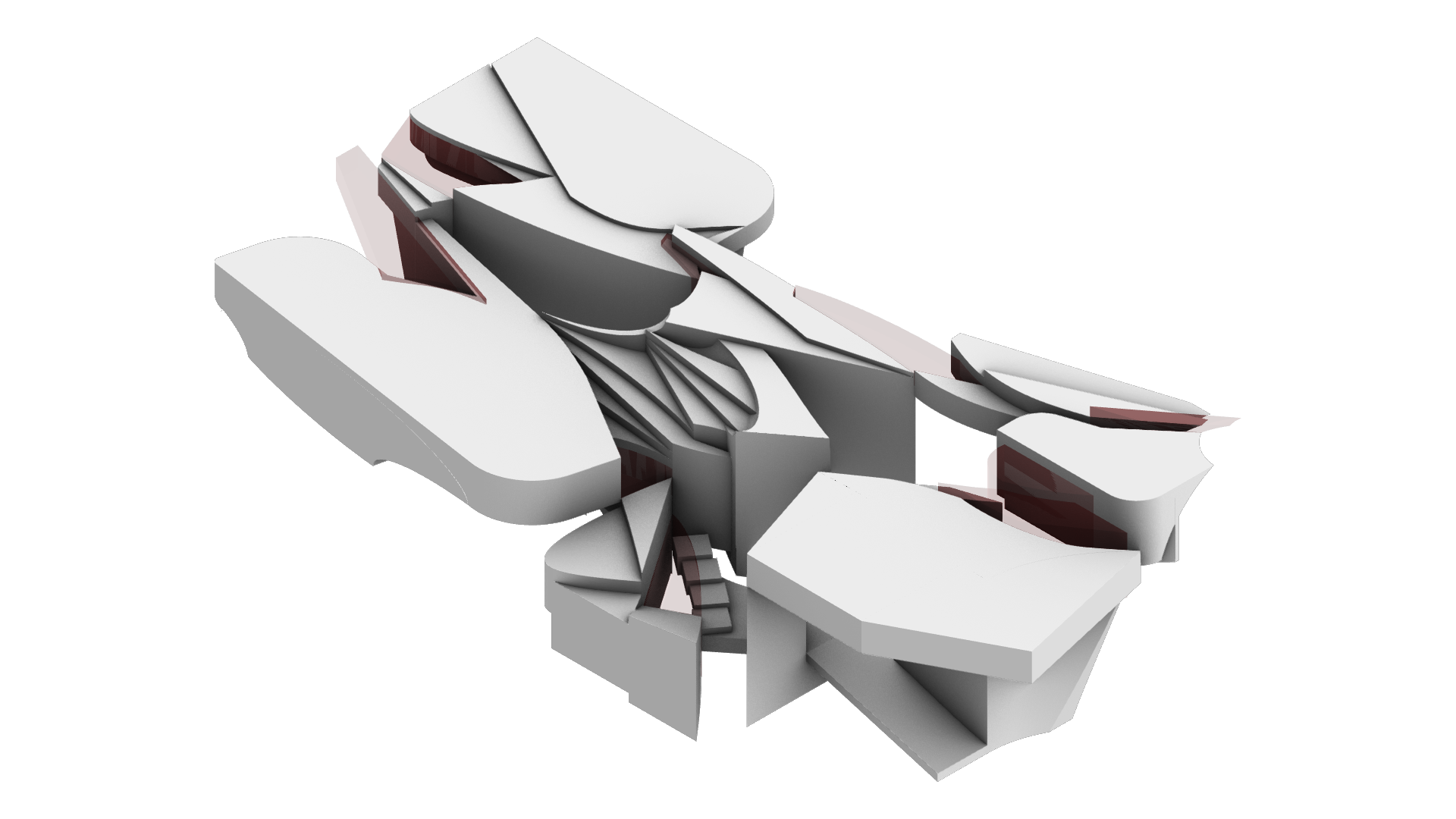
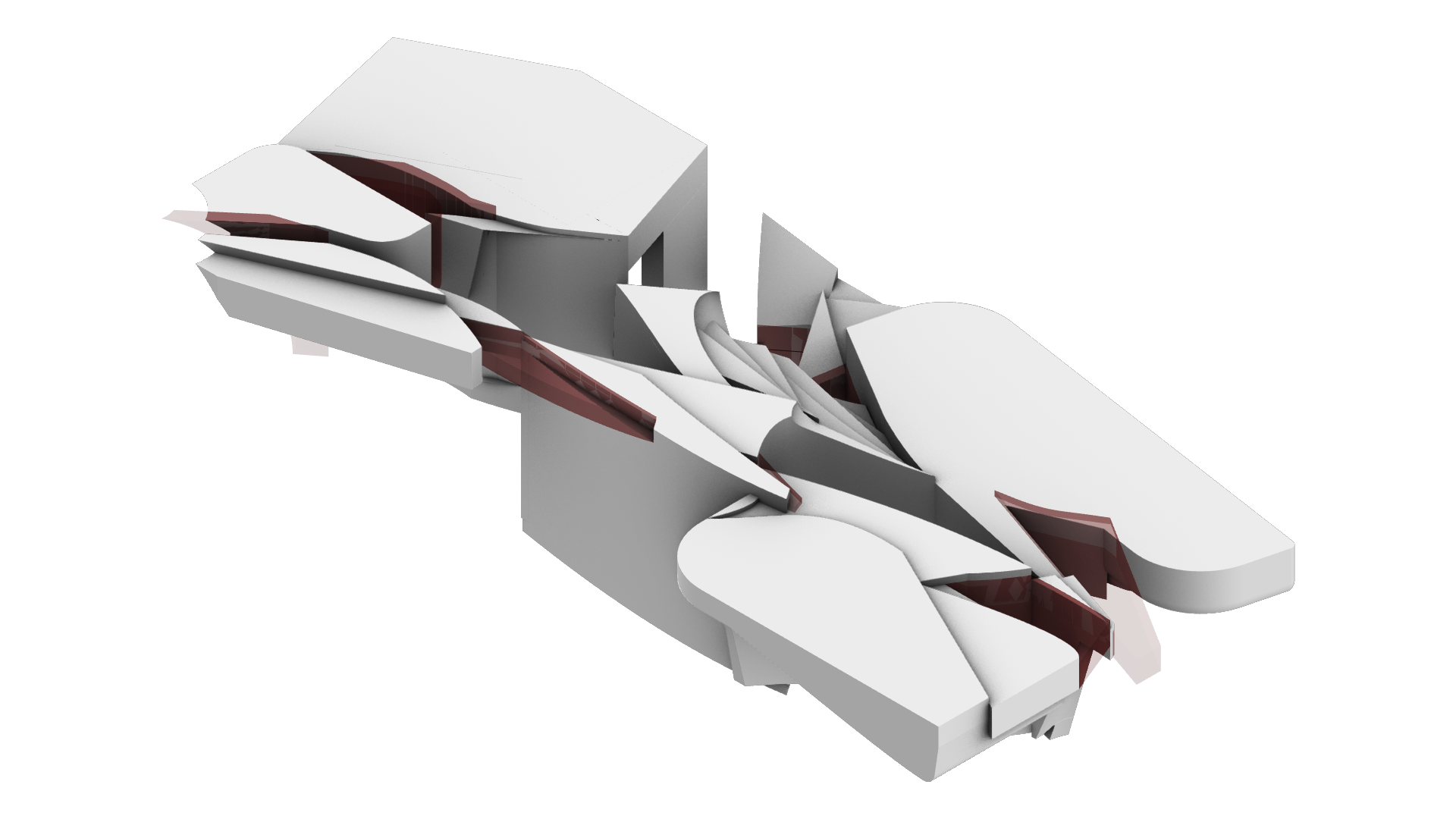
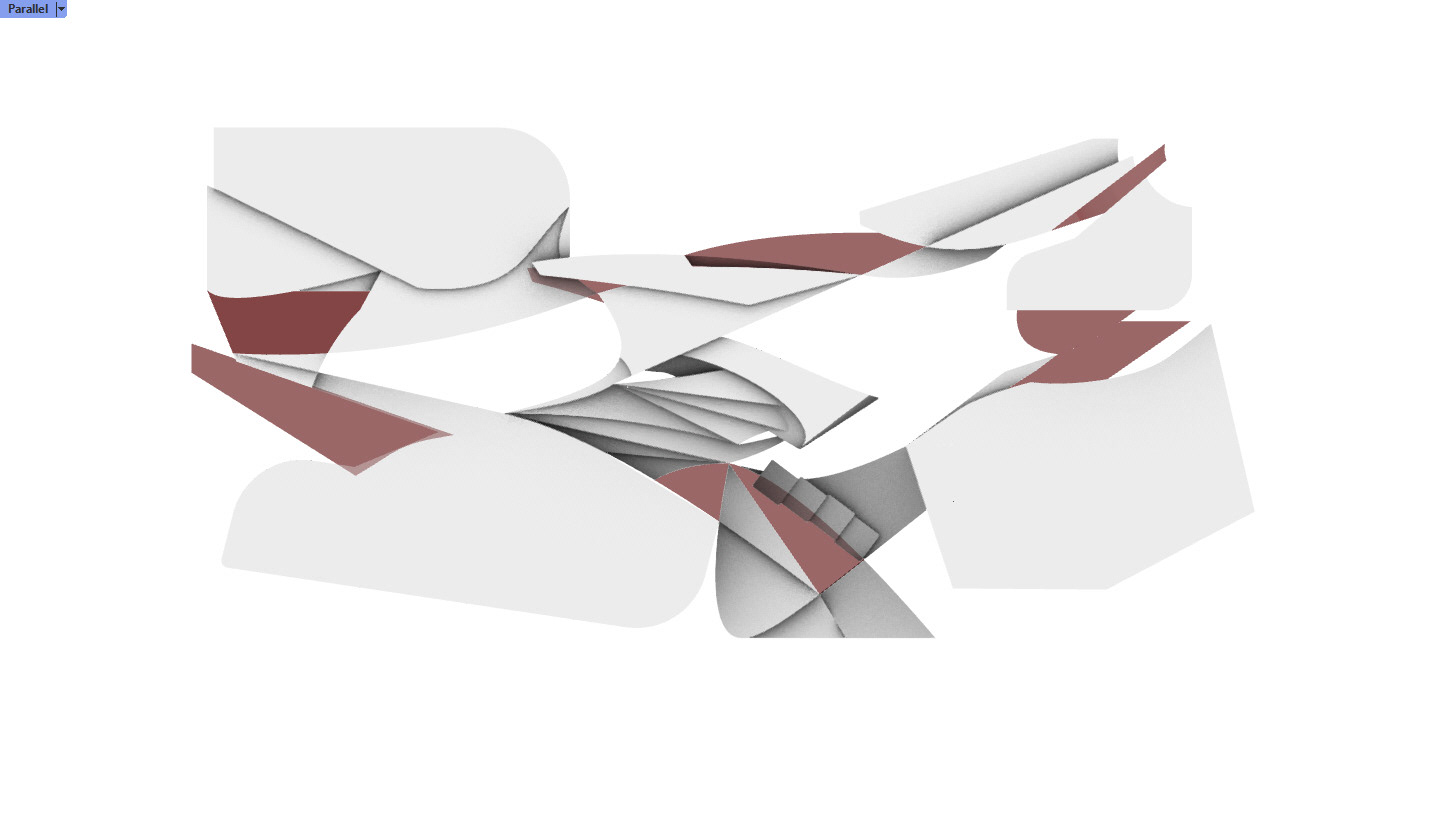
PROJECT ONE: Drawing -> Digital -> 3D
3D Representation (Stairway)
Semester I
Professor: Kate Spires
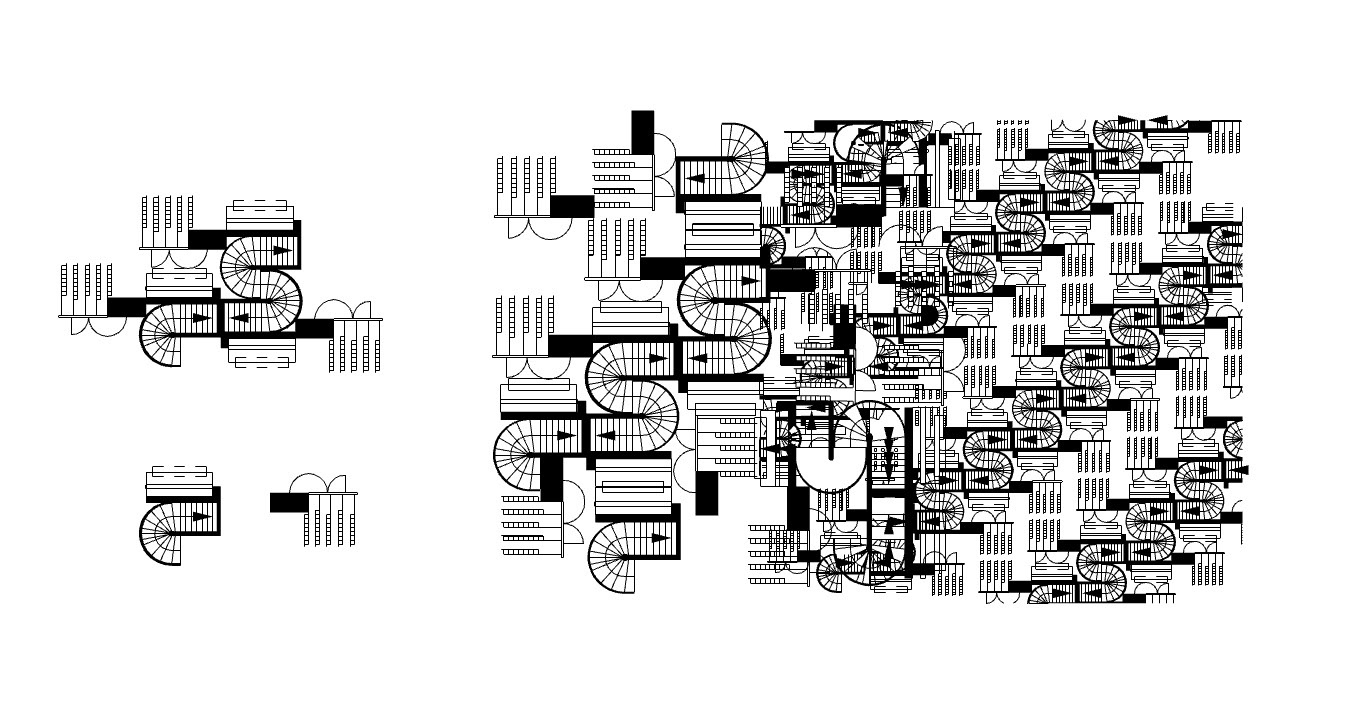
Composition/Aggregation Spliced
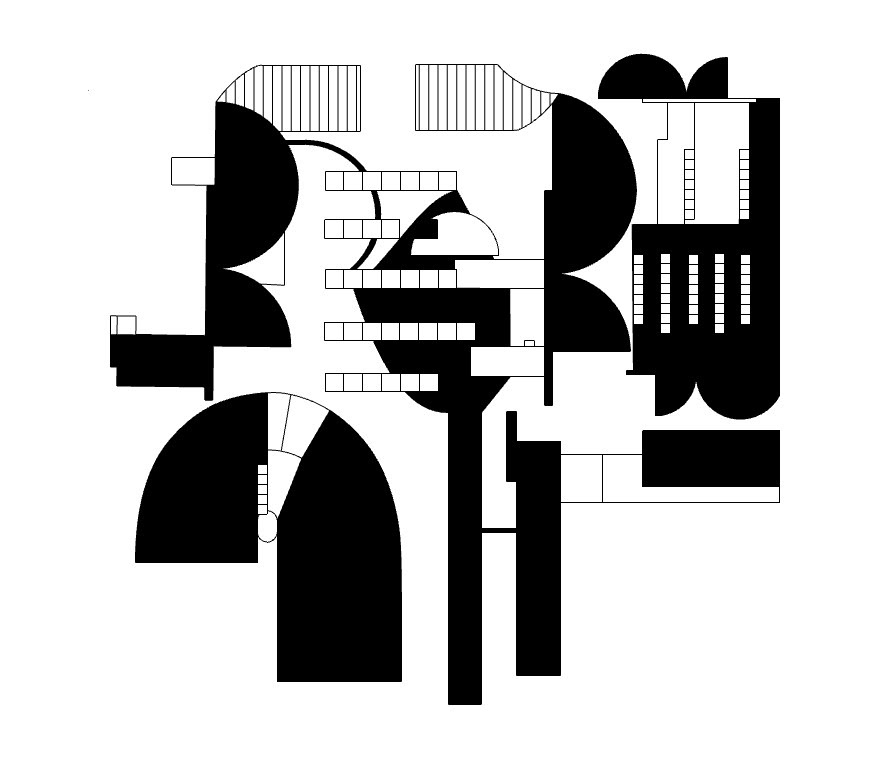
Zoom Cutout

5"x5"x5" Cutout of 3D Models Spliced
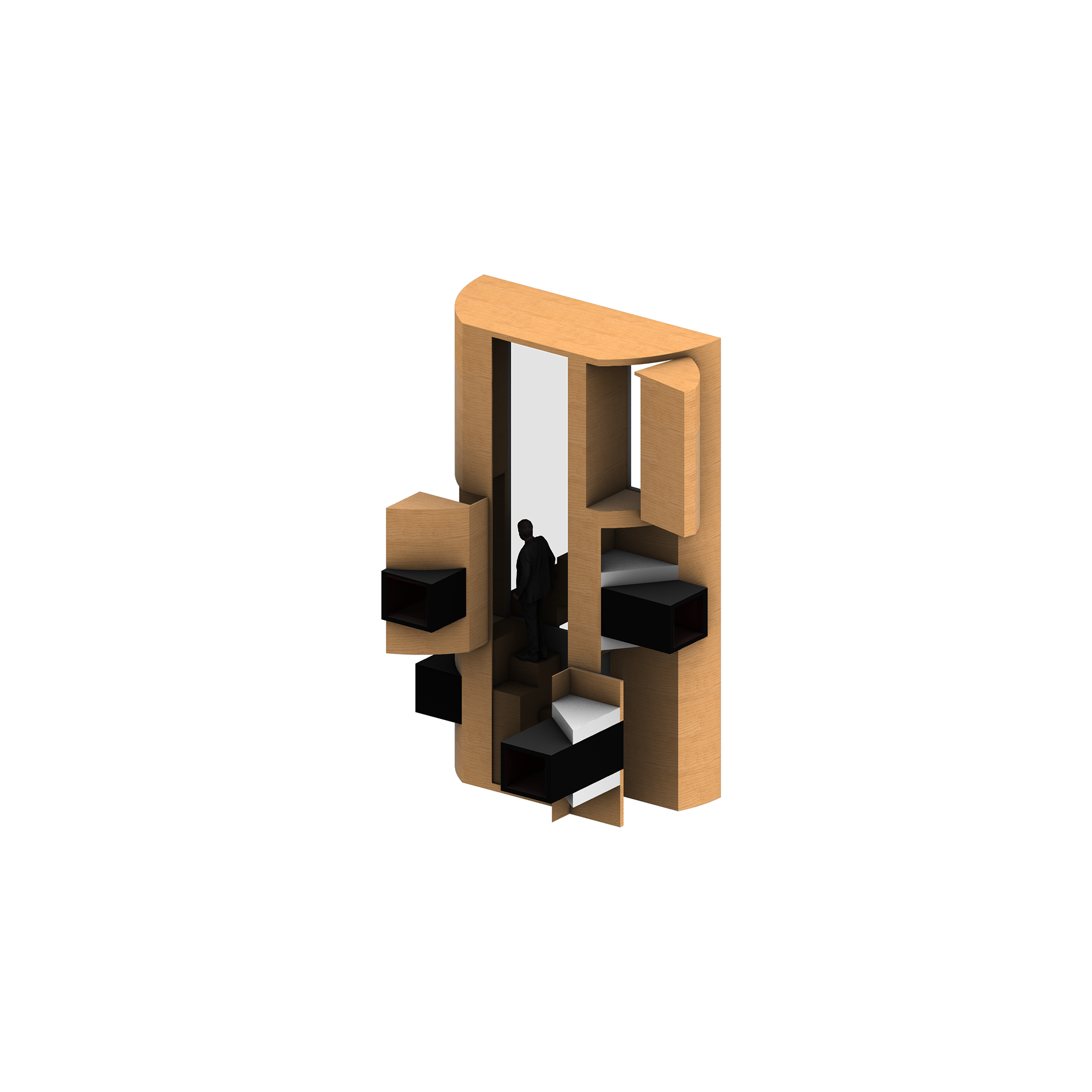
Reimagined Entryway